Case Study
Agrilab, an educational kitchen for food culture, nutrition and agrobiodiversity
Contact name
Fiorella Zoli
Institution name
Parks and Biodiversity Management Authority - Western Emilia Parks (Parchi del Ducato)
Region & country
River Taro Park, Parma, Italy
Summary
Agrilab is situated in a old agricultural court in the River Taro Park (Province of Parma). It is a space where people can cook, stay together, discover the local foods and their stories, learn to do zero waste recipes and/or healthy recipes, learn about the importance of the environment for our life, understand our impact on the planet, and more!
The activities are for a range of different groups: students from 6 to 19 years old during the week, families during the weekends (kids and parents cook toghether) and adult groups. To participate only costs 2 € for students (one lesson in classroom and one lab in Agrilab), while the events for families and adults are free of charge. We want to offer this experience without exclusion due to financial barriers.
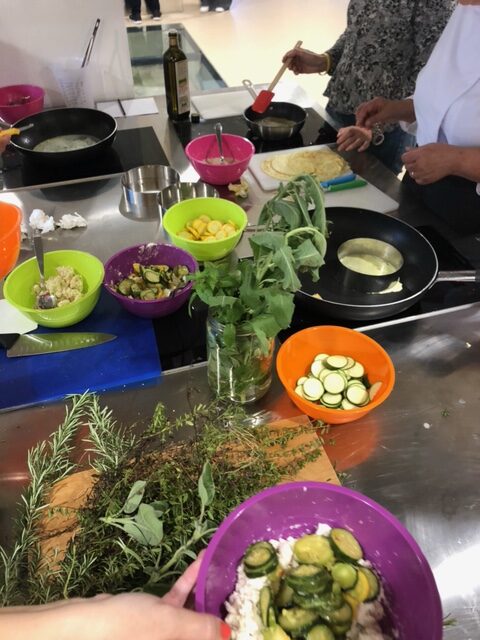
Food in Agrilab
Parchi del Ducato
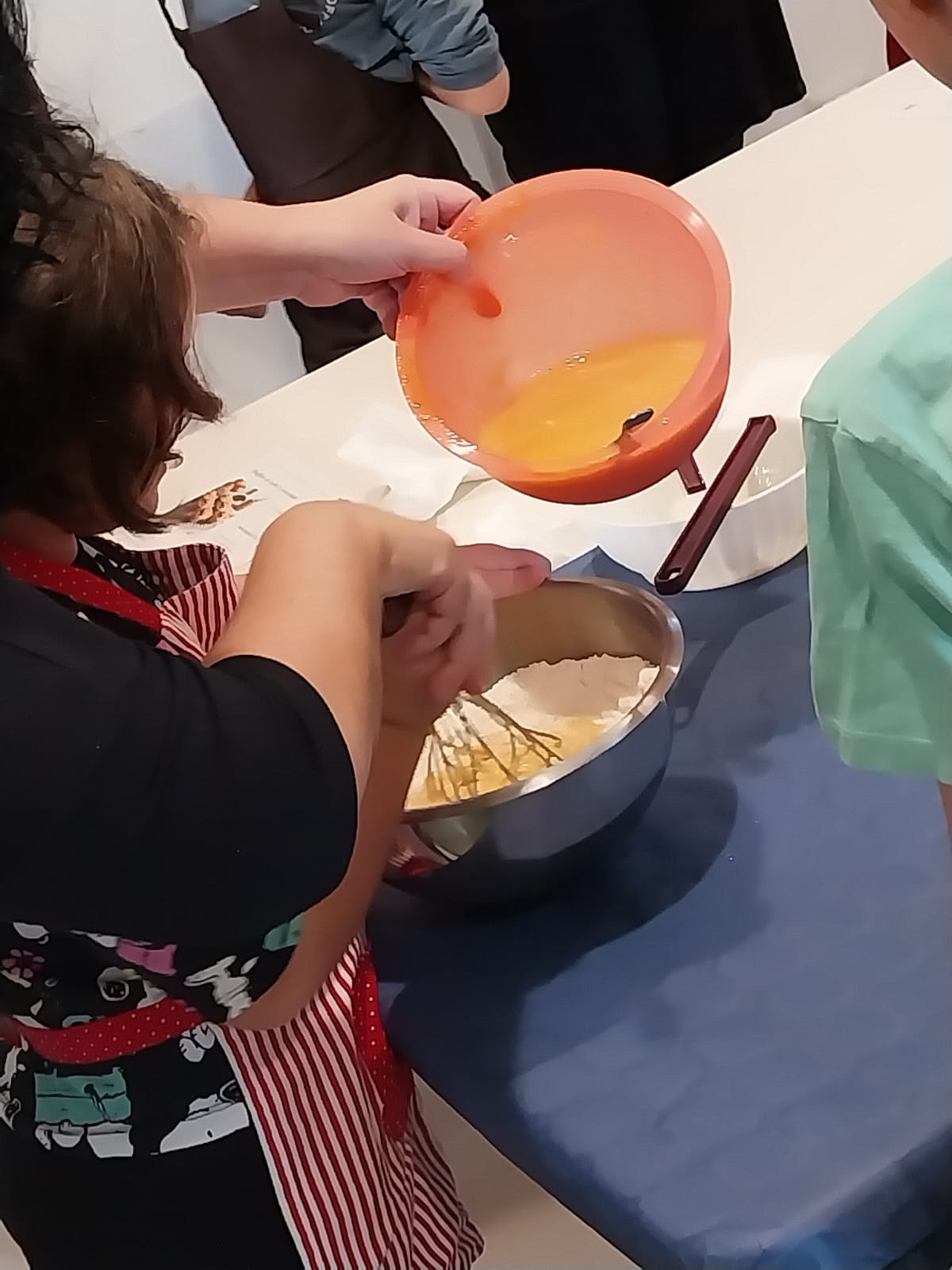
Kids Lab in Agrilab
Parchi del Ducato
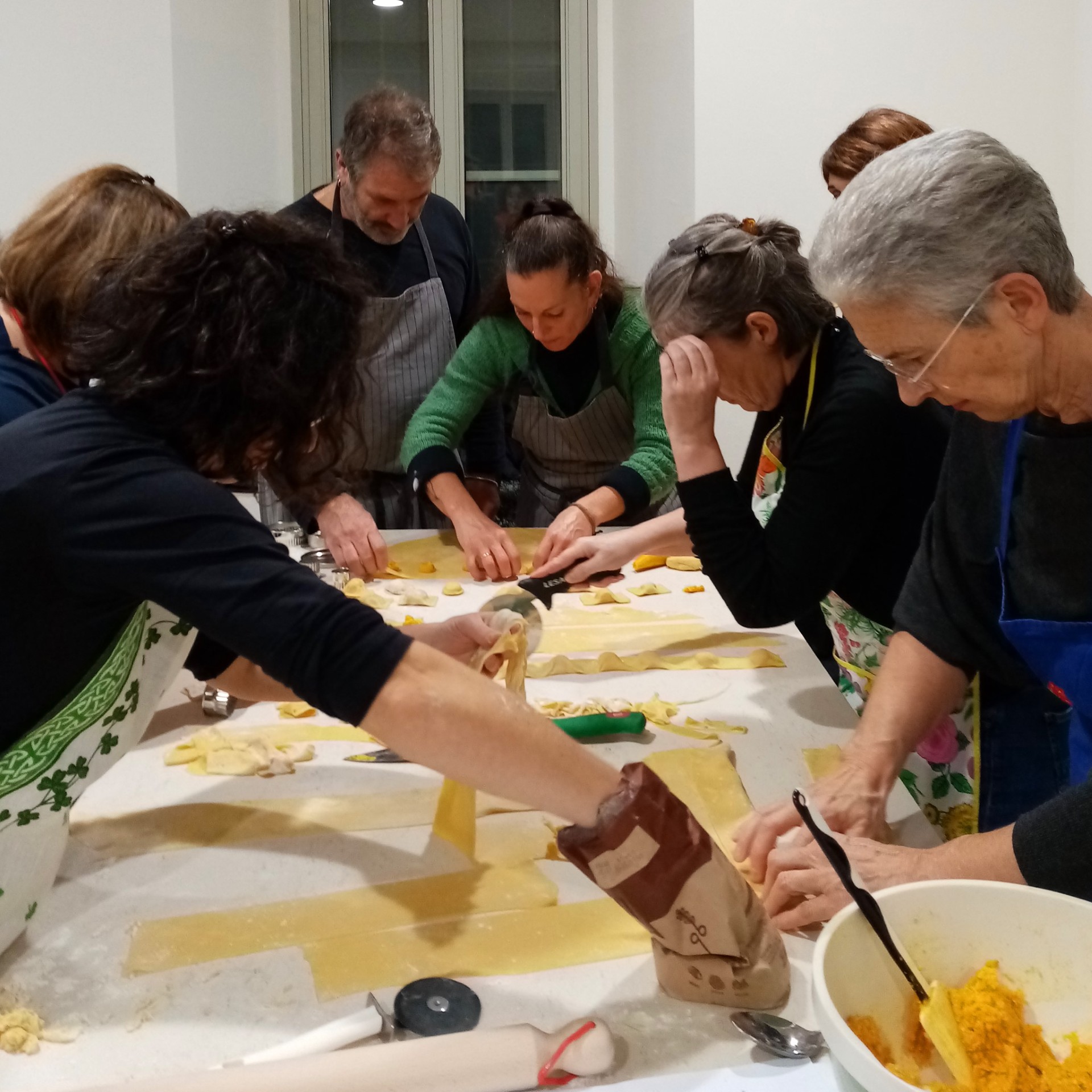
Adults Lab in Agrilab
Parchi del Ducato
Background of the project
Our territory is famous for its agri-food industry. However, every event needs specialized chefs because the target and the themes are different. We collaborate with chefs, farms and various people who work with food and nature. The cost of each laboratory was high (the cost of the person and the cost of ingredients).
We need more quality collaborations because we do not want to offer cooking shows, but we want to offer an “educational (food and environmental) experience”.
So we need people with these areas of knowledge: to cook (and to have the certificates), to teach in different way for kids or for adults, to know the protected area and its importance, to use the local products, to know the sustainable cooking and our impact on the planet…
It is not easy to find these experts.
Solution and actions taken
Thanks to the European Charter for Sustainable Tourism we can involve more stakeholders in line with our mission. The sustainability is important both for these subjects and for us. We are working for our second ECST certification and we are working to expand our collaborations.
ECST is a long term project and outlines plans that can be implemented over the 5 year period. We plan to organize labs for different targets in the next years.
Other institutions or parties involved
Farms, chefs, teachers, environmental guides, beekeepers, experts of sustainable food (recipes with wild herbs or bulk shopping)
Results
Agrilab and the ECST are complementary. During the ECST path can we meet new stakeholders for the activities for Agrilab.
Agrilab can commision (and pay) experts with certified knowledge.
Challenges
The greatest difficulty is to engage stakeholders, people and private companies.
Lessons learned
It is important to maintain continuously contacts, especially through telephone calls and in person contact.
Contact name
Fiorella Zoli
Institution name
Parks and Biodiversity Management Authority - Western Emilia Parks (Parchi del Ducato)
Website(s)