Case Study
When Footsteps Help Nature: Sustainable Tourism Supporting Salt Marsh Conservation
Contact name
Daniel Ruzanski
Institution name
Masaryk University
Region & country
South Moravia, Czech Republic
Summary
The LIFE in Salt Marshes project demonstrates how sustainable tourism can actively support the conservation of rare inland salt marshes in South Moravia, Czech Republic. By combining habitat restoration with visitor education, guided activities and community engagement, the project transforms visitors from potential sources of disturbance into active partners in biodiversity conservation while increasing public understanding of protected area management.

Conservation grazing using Hungarian Grey cattle as part of inland salt marsh management
Nina Babicová
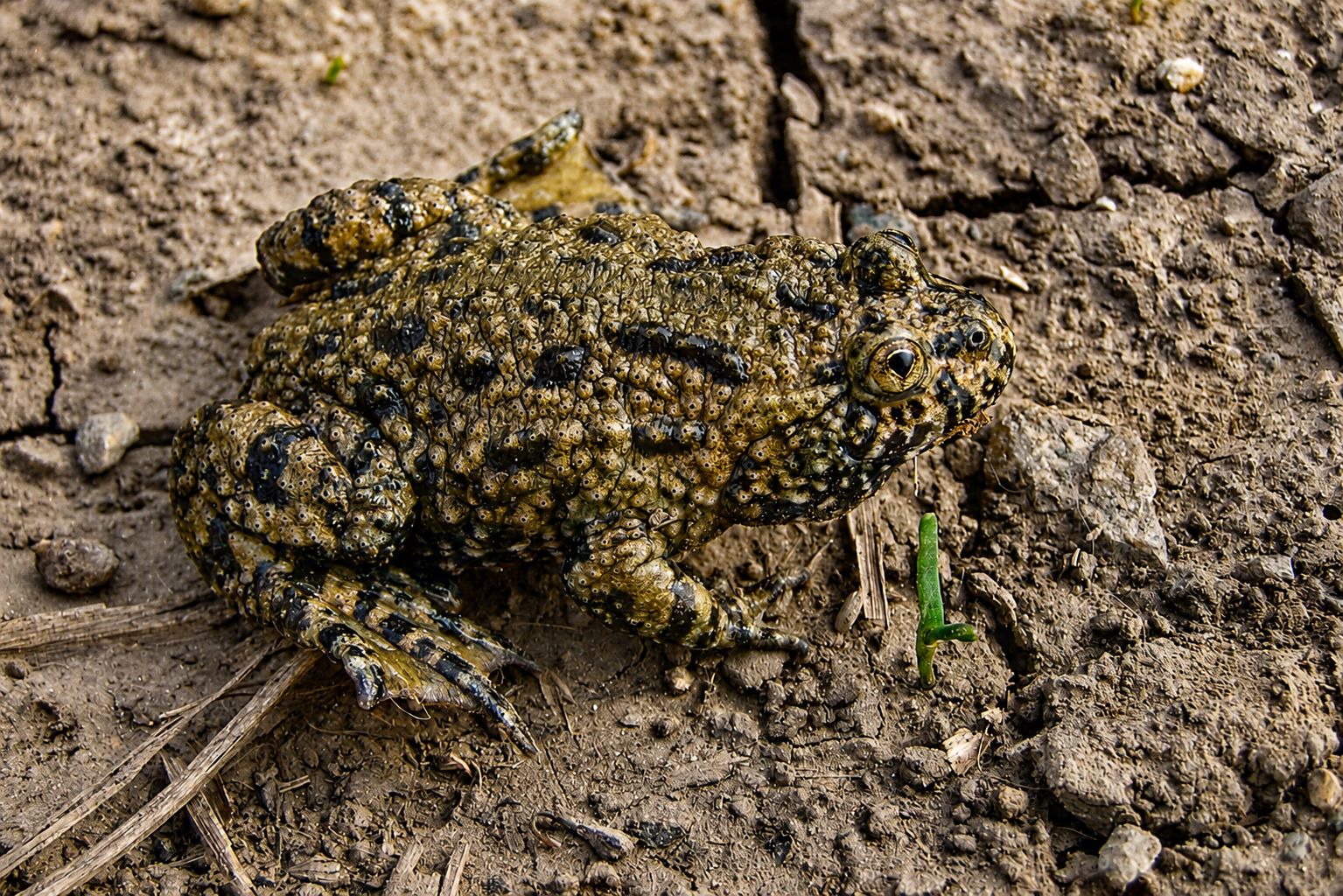
Project target species Bombina bombina
Marie Kotasová Adámková
Background of the project
South Moravian inland salt marshes were declining due to habitat abandonment, eutrophication, altered water regimes and insufficient cooperation among stakeholders. Public awareness of these unique habitats was low, while visitors often perceived conservation measures as restrictions rather than necessary management actions.
We identified the need to restore degraded salt marsh habitats while improving public understanding of their ecological value. It was essential to engage local communities, schools, visitors and land users, explain why active management is necessary, and promote responsible tourism that contributes positively to conservation.
Solution and actions taken
We developed an integrated approach combining ecological restoration with environmental education and sustainable tourism. Guided excursions, educational programmes, interpretation boards, QR-based trails and local storytelling help visitors understand conservation while encouraging responsible behaviour and support for habitat management.
The project restored priority habitats while implementing public awareness activities, including guided field excursions, school programmes, outdoor learning, educational panels and QR interpretation trails. Local stories and examples of conservation management were shared to strengthen connections between people and nature.
Other institutions or parties involved
The project is implemented through cooperation between conservation experts, local authorities, land managers, farmers, schools, researchers and local communities. The LIFE programme provides financial support, while multiple stakeholders contribute to habitat management, education and public outreach.
Results
Public awareness has increased and visitors better understand the importance of active habitat management. Educational activities have strengthened cooperation with local communities and schools, while responsible tourism has become an important tool supporting conservation objectives alongside ecological restoration.
Challenges
One of the main challenges was changing public perception that all human disturbance is harmful. Explaining that moderate trampling and traditional grazing can benefit salt marsh biodiversity required continuous communication. Coordinating different stakeholders and maintaining long-term public interest also required considerable effort.
Lessons learned
Successful habitat restoration depends not only on ecological measures but also on public support. Well-informed visitors can become valuable conservation partners. Sustainable tourism, effective interpretation and cooperation with local communities help ensure long-term protection of rare habitats and biodiversity.