From 17 to 18 of March, in a hybrid, representatives from ministries, state agencies and Protected Areas gathered in Gut Siggen and online to discuss the sate of play of the EU Nature Restoration Regulation and its future implementation.
Nature Restoration Plans: the path towards implementation
Across Europe, the adoption of the EU Nature Restoration Regulation (EU NRR) marks a turning point for biodiversity recovery and climate resilience. The Regulation requires Member States to develop National Nature Restoration Plans, setting out how they will restore degraded ecosystems, strengthen ecological connectivity, and contribute to EU‑wide restoration targets.
These plans must be grounded in robust data, cross‑sector coordination, and long‑term governance frameworks. Yet many countries are still navigating the complexity of translating policy into practice.
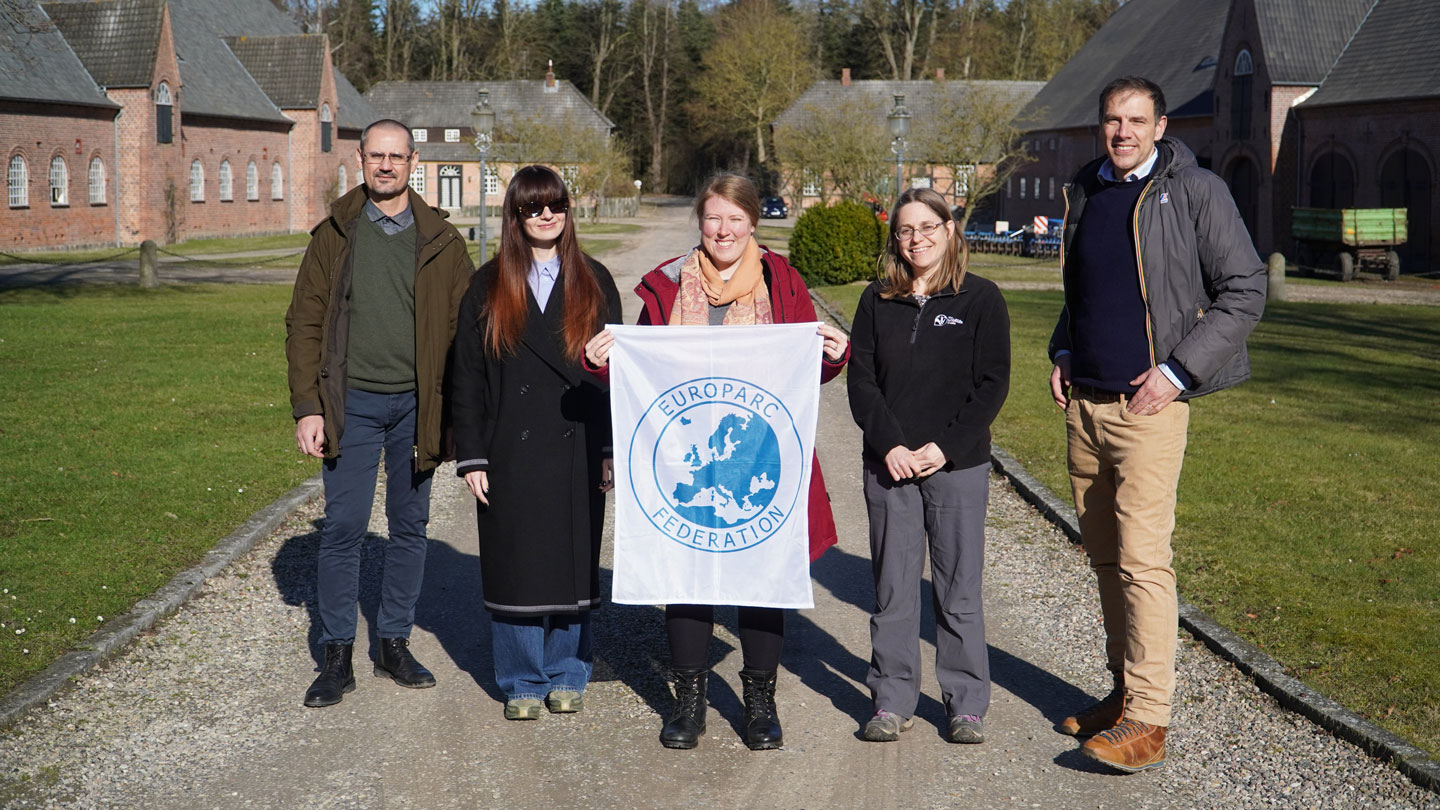
The Siggen Seminar 2026, hosted by the Alfred Toepfer Stiftung F.V.S. at Gut Siggen, Germany, provided a valuable space to exchange insights and discuss the EU Nature Restoration Regulation. Bringing together restoration experts, national authorities, Protected Area managers, and practitioners, the seminar explored the challenges and opportunities emerging from the first generation of National Restoration Plans and identified key priority areas to move from planning to effective implementation.
Seminar objectives
The 2026 edition focused on supporting Member States and practitioners as they transition from drafting restoration plans to delivering concrete action on the ground. The main objectives were to:
- Exchange experiences among leading experts involved in developing and implementing National Nature Restoration Plans.
- Identify critical steps and barriers for effective implementation of the EU NRR.
- Analyse knowledge gaps and learning needs to inform the development of a future training curriculum and a practical restoration toolkit.
- Strengthen understanding of the policy context, including governance requirements, cross‑sector coordination, and the role of Protected Areas.
These objectives directly support EUROPARC’s ongoing work to build capacity and provide practical guidance for restoration practitioners across Europe.
Participation and format
The seminar followed a hybrid format, combining on‑site collaboration with two large online sessions. The sessions were structured around four thematic areas:
- Policy context and recommendations for the EU NRR.
- Challenges and enablers in developing National Restoration Plans.
- Considerations for the future implementation of the National Restoration Plans.
- Identification of gaps and learning needs for a training curriculum and toolkit.
Participation included:
- Representatives from ministries and state agencies responsible for developing National Nature Restoration Plans.
- Protected Area managers and Natura 2000 practitioners, playing a central role in implementation.
- A core working group of experts meeting in person at Gut Siggen to analyse inputs and synthesise findings.
- Nine invited speakers from EU institutions, national agencies, NGOs, and research initiatives.
- Over 200 online participants across the two sessions (122 in the first session, 80 in the second) .
Main takeaways
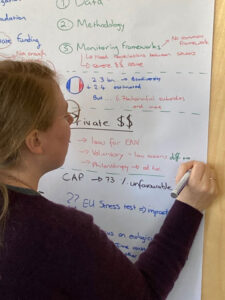 The seminar highlighted that successful implementation of the EU Nature Restoration Regulation depends on strong, coherent governance across sectors, clear legal and policy alignment, and robust data to establish baselines and guide evidence‑based planning. Participants stressed the need for harmonised monitoring systems that distinguish between short‑term action tracking and long‑term ecological outcomes, alongside meaningful stakeholder engagement to address land‑use conflicts and build trust with landowners, farmers, and communities.
Effective communication, stable long‑term financing, and strengthened technical and managerial capacity emerged as essential enablers, while landscape‑scale planning and ecological connectivity were identified as critical for achieving real restoration impact.
Finally, the seminar underscored the value of shared learning spaces, tools, and peer exchange to accelerate progress across Member States.
For more information and a detailed summary on all the focus areas, presentations, conclussions and recommendations, please access the Siggen Seminar 2026 report:
Access the Report!Additionally, you can watch the online session recordings at EUROPARC´s YouTube Channel:
- 17 March – Nature Restoration Planning – watch recording.
- 18 March – Nature Restoration Implementation – watch recording.
