Celebrating Sustainable Tourism Excellence: ECST Awards Ceremony 2025

The 2025 Awards Ceremony for the European Charter for Sustainable Tourism in Protected Areas (ECST) took place on 19 November at the European Parliament in Brussels.
For the second consecutive year, the event was kindly hosted by Honourable MEP Giuseppe Antoci, a representative of The Left Group, former President of the Nebrodi Regional Park and 2016 winner of the Alfred Toepfer Medal.
This year, 24 Protected Areas were recognised for their dedication to sustainable tourism. Many have been working towards this achievement for several years, demonstrating strong collaboration and long-term commitment to responsible tourism practices.
Among them, 6 Protected Areas received the ECST award for the first time, joining the ECST Network, while 18 Protected Areas renewed their ECST commitments. Check out the photo album of the award ceremony!
Get to know the six new awardees!
Located in Liguria, northern Italy, Antola Regional Natural Park features mountain ridges, including Monte Antola (1,597 m), open meadows, forested river valleys, and wide panoramic viewpoints. The Park collaborates with local authorities to restore and enhance its extensive network of hiking trails, including ancient mule tracks connecting historic villages, peaks, and valleys, promoting sustainable tourism while improving safety and reducing hydrogeological risks.
The Park actively protects biodiversity by supporting local communities, sustainable economies, and traditional supply chains. It encourages innovation and training in farming and livestock practices to strengthen rural resilience to climate change.
Together with its communities, Antola Park has created a shared vision that highlights its cultural and natural heritage, emphasising its role as an accessible, lived-in landscape near Genoa.
These efforts promote sustainable tourism, support local businesses, and translate this vision into concrete actions that strengthen environmental stewardship, community identity, and richer visitor experiences.
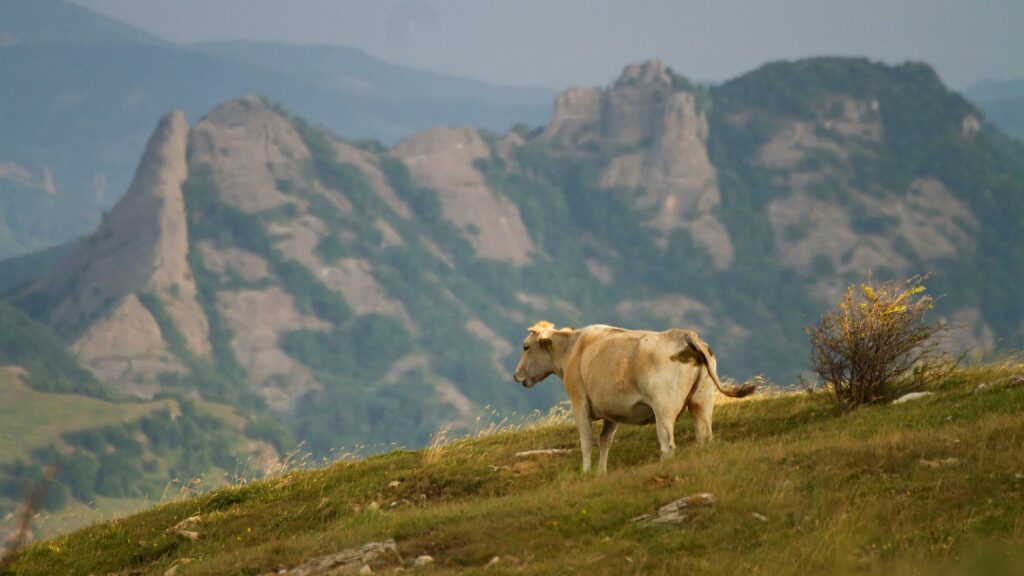
Photo: Ente Parco dell’Antola
Located in western Emilia-Romagna, Northern Italy, Parchi del Ducato encompasses the Apennine mountains, river valleys, wetlands, woodlands, and geological sites, forming one of Italy’s most diverse Protected Area systems. The Parks actively raise awareness about biodiversity conservation through targeted communication and public engagement, using informational panels, educational events, and habitat-focused initiatives – such as protecting the endangered river crayfish within the LIFE CLAW project – to connect visitors and local communities with conservation efforts.
To further enhance the area’s appeal as a destination, the Parks combine natural biodiversity with cultural heritage, showcasing small mediaeval villages and historic castles alongside protected landscapes. This approach is strengthened by the expansion of the cycle-tourism network, including bike rental points and charging stations, which encourages sustainable exploration throughout the territory.
At the same time, reforestation projects in degraded areas, such as Boschi di Carrega Park, restore ecosystems while improving visitor safety. Environmental education is embedded in all activities, engaging both children and adults on topics such as waste sorting, water use, and respect for local flora and fauna, creating an integrated approach that links conservation, cultural heritage, and sustainable tourism.
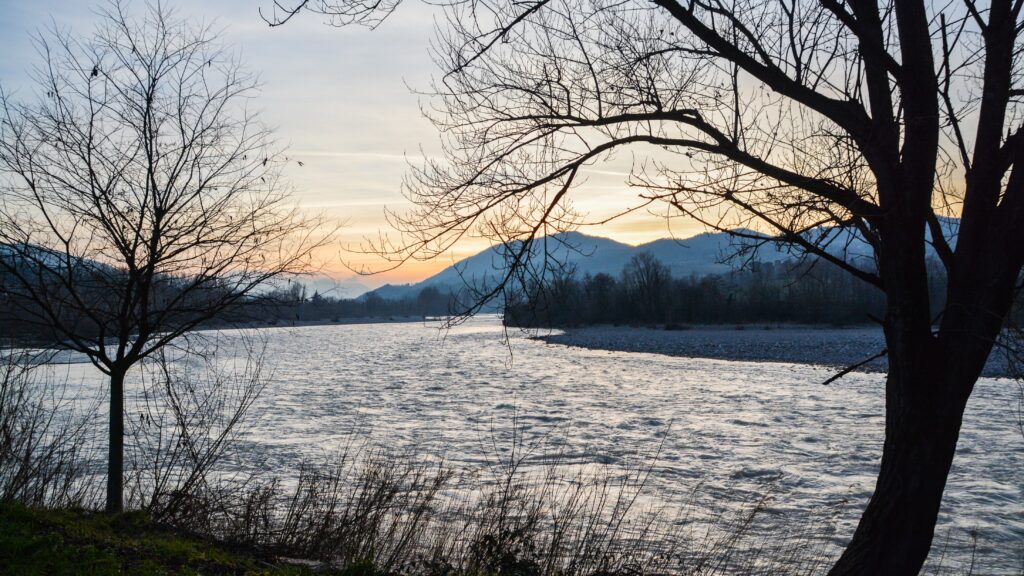
Photo: A. Fuochi
ECTS is a tool to promote Protected Areas and their important daily work for sustainability. Protected Areas need collaboration with local stakeholders for a better future for the environment, citizens, and tourists.
Says the Park representative of Parchi del Ducato.
Gauja National Park, Latvia’s largest and oldest national park, is renowned for its sandstone cliffs, forested valleys, mediaeval castles, and extensive hiking routes.
The combined efforts of the Nature Conservation Agency, the scientific support of the Vidzeme University of Applied Sciences, and the vitality of the Tourist Association (Enter Gauja) have allowed the Park to initiate and maintain focus on long-term goals, with the ECST award representing one important milestone.
Enter Gauja has demonstrated remarkable capacity to motivate its members over the years, implementing increasingly complex projects that raise ecological awareness and engage communities in environmental protection.
Another strength of the Park lies in the quality and accuracy of its tourist flow analysis. Through a sophisticated system of data collection, processing, and reporting – led by Vidzeme University – the Park can make informed management decisions and carefully plan strategies and action plans.
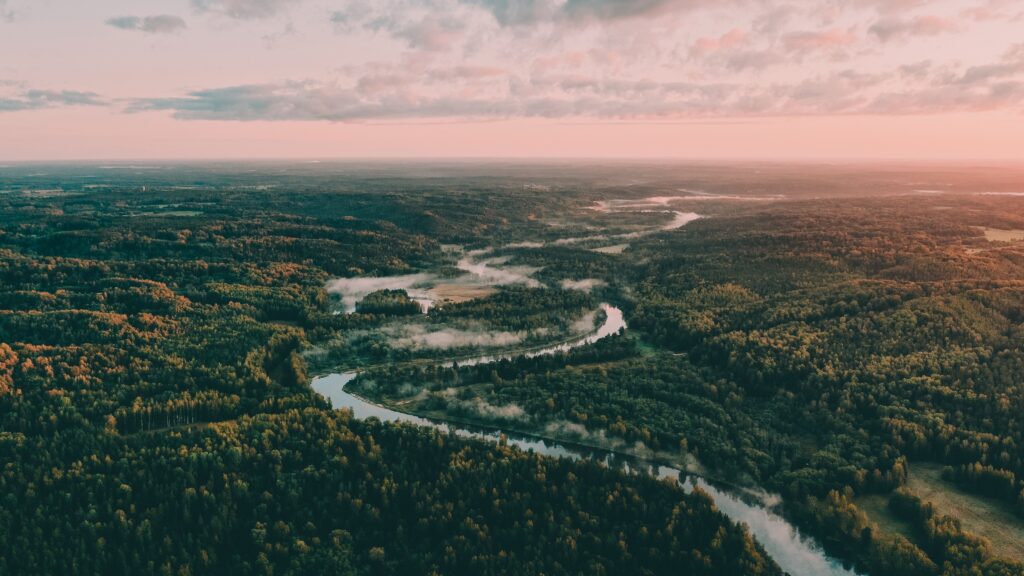
Photo: kristaps Ungurs
Park representatives state:
The European Certificate of Sustainable Tourism is more than just an award. It is a recognition that Gauja National Park is not only a natural treasure, but also an example of a destination that manages tourism responsibly and in a way that protects nature, culture, and local communities.
Monti Lucretili Natural Regional Park
Monti Lucretili Nature Regional Park, located in Lazio, central Italy, northeast of Rome, features Apennine mountains, forests, karst landscapes, hiking trails, wildlife habitats, and panoramic views over the Roman countryside.
The Park has demonstrated a high-quality approach in implementing the ECST methodology to plan a new policy for sustainable tourism in its territory. This achievement is primarily due to two factors: a new Park management team, including the Commissioner and Director, strongly convinced of the added value of the ECST approach, and skilled technical assistance that fully applied the concept of participatory planning.
A key good practice implemented by the Protected Area was to invite stakeholders to propose actions for the ECST Action Plan, thereby engaging them directly in achieving these actions. During the ECST Forum final meeting, each proponent publicly signed their action fact sheet, formalising their commitment. This approach ensures that stakeholder involvement goes beyond planning to the actual and effective implementation of the planned initiatives, fostering shared responsibility and long-term sustainable tourism development.
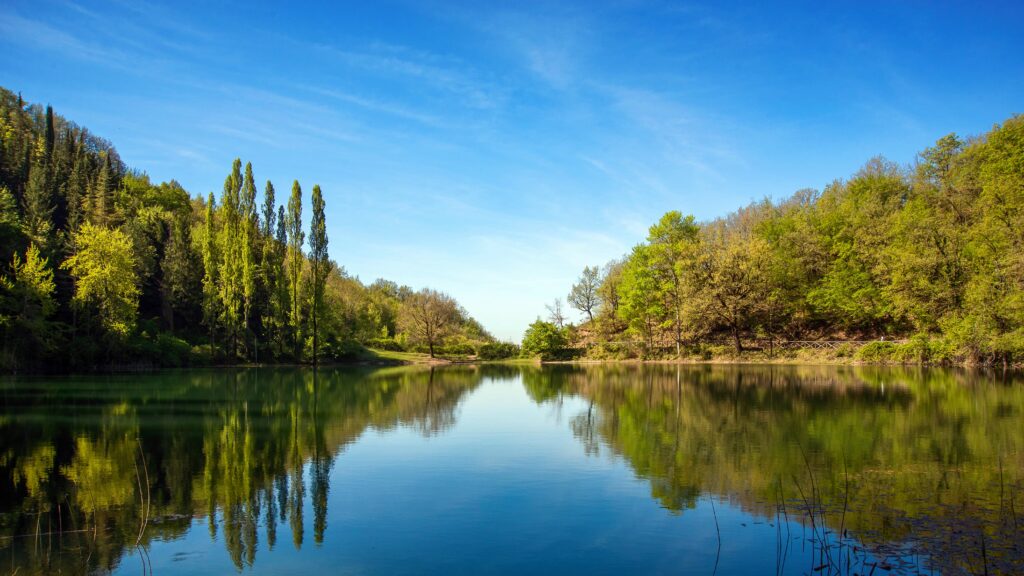
Photo: Mario Ventura
The park is located in northeastern Spain, in Catalonia, within the coastal mountain range between Barcelona and Maresme. It forms part of the Catalan coastal/pre-coastal natural parks, protecting Mediterranean forests, hills, and scenic coastal landscapes.
The Parc a Taula project, promoted by the Barcelona Provincial, highlights the natural, cultural, and scenic values of the parks using gastronomy, involving local producers, wineries, accommodations, and restaurants.
Another project that deserves mentioning is the Park and Libraries project in Serralada Litoral Park, which connects libraries with natural spaces, offering workshops, guided tours, and educational activities to raise awareness of the region’s natural and cultural heritage.
At the provincial level, ECST working groups meet bimonthly to exchange experiences across parks, while at the regional level, ECST CAT provides a forum for debate and knowledge sharing on sustainable tourism management.
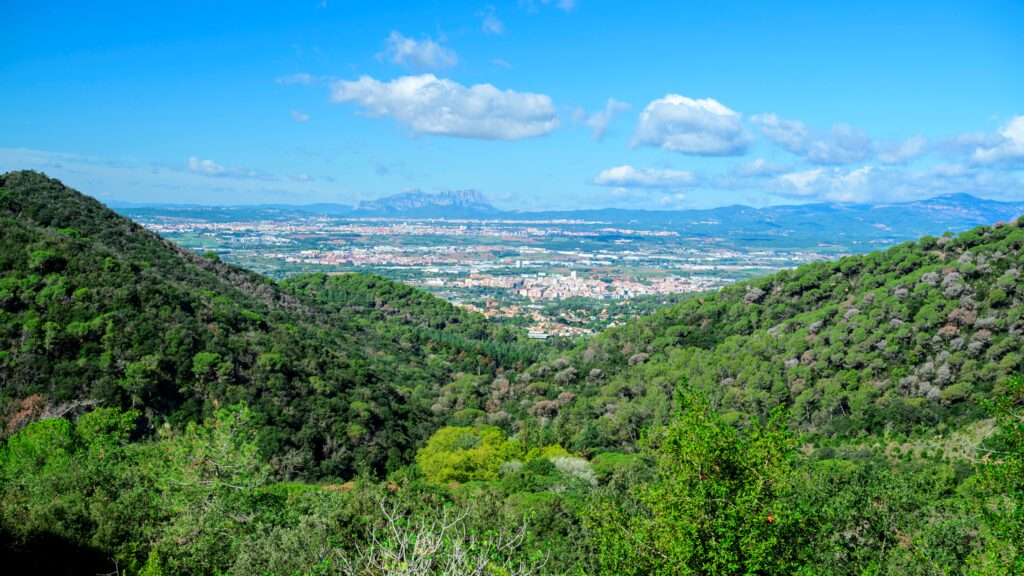
Photo: IÑAKI RELANZÓN
For us, obtaining this award represents great pride and recognition of the effort and joint work of all the agents of the territory of the Serralada Litoral Park, and allows us to distinguish ourselves from other tourist destinations thanks to our strategy and joint commitment to develop a quality sustainable tourism offer that preserves and gives greater visibility and value to our natural, historical, and cultural heritage and our local product.
Weerribben-Wieden National Park
The protected area is located in the northeastern Netherlands and represents the largest freshwater wetland in Northwest Europe. It is renowned for its peatlands, canals, lakes, and the presence of rare wildlife such as the Eurasian otter.
The park implements numerous exemplary practices to balance conservation, community engagement, and sustainable tourism. Collaborative actions to tackle invasive species have been highly effective, bringing together multiple sectors and concluding with a youth-organized event to inform and activate residents and visitors.
The park also stands out in branding and communication: a strong identity co-developed with local businesses is embraced by residents and supported by modern marketing materials, visitor information, and a magazine that encourages pride in the local area. The slogan “Good to see you here” (Mooi dat je d’r bent) is widely used by partners and businesses, even serving as the theme for the Business Gala, and promises future PR opportunities.
Sustainable mobility initiatives, such as shared e-bikes, have improved accessibility while offering a low-impact alternative to cars for visitors and local residents in remote areas. Canoeing routes linked with accommodations and cafes/restaurants provide additional sustainable recreation options, with downloadable maps for one-day or multi-day trips.
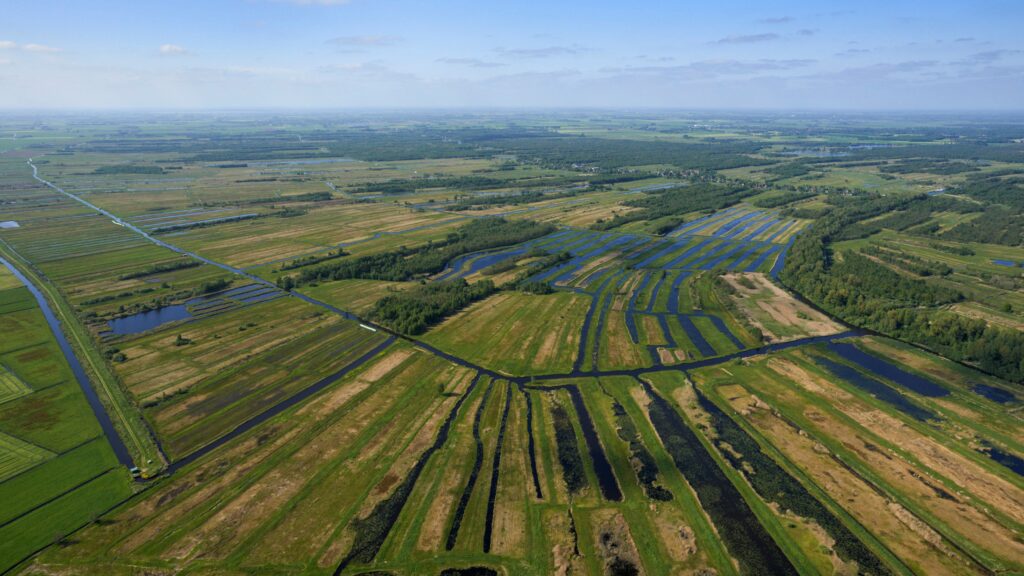
Photo: Park’s archive
The European Charter for Sustainable Tourism has brought us together around a shared ambition of sustainability. It has been a connecting force among many different stakeholders in and around the park. The process encouraged us to reflect jointly on new topics, such as accessibility and dark skies, which has already led to inspiring projects and initiatives. Along the way, we have built new relationships and strengthened our local and international networks. The Charter not only recognises our current efforts but also helps us grow as a community committed to a more sustainable future for Weerribben-Wieden.
18 Protected Areas renewed their commitment to the ECST
ESTONIA
ITALY
Coastal Dunes from Torre Canne to Torre S. Leonardo Nature Regional Park
Foreste Casentinesi, Monte Falterona e Campigna National Park
Torre del Cerrano Marine Protected Area
ITALY / SLOVENIA
Transboundary Ecoregion Julian Alps: Prealpi Giulie Nature Park & Triglav National Park
PORTUGAL
SPAIN
Doñana National and Natural Park
Hoces del Río Riaza Nature Park
Sierras de Cazorla, Segura y Las Villas Nature Park
You can get to virtually travel through them in the video.
The ECST Network now includes 93 protected areas across 13 European countries, united by a shared vision: to manage tourism that benefits both nature and people.
The ceremony honoured the achievements of the awarded protected areas and showcased inspiring examples of sustainable tourism in action.
A new submission period opens this December for candidates applying to the European Charter for Sustainable Tourism. To learn more about the program and application process, visit the Sustainable Tourism page.