Case Study
Protected area management and awareness through education and volunteering
Contact name
Cristian Ciobanu
Institution name
University of Bucharest – Hateg Country UNESCO Geopark
Region & country
Romania, West Region, Hunedoara County
Summary
Hateg Country Dinosaurs Geopark is a special kind of a protected area – an UNESCO Global Geopark, where the communities and their relation with Earth is one of the key management purposes. Through education and volunteering used in an innovative way, our geopark fulfills the tasks of awareness, community involvement and interpretation.
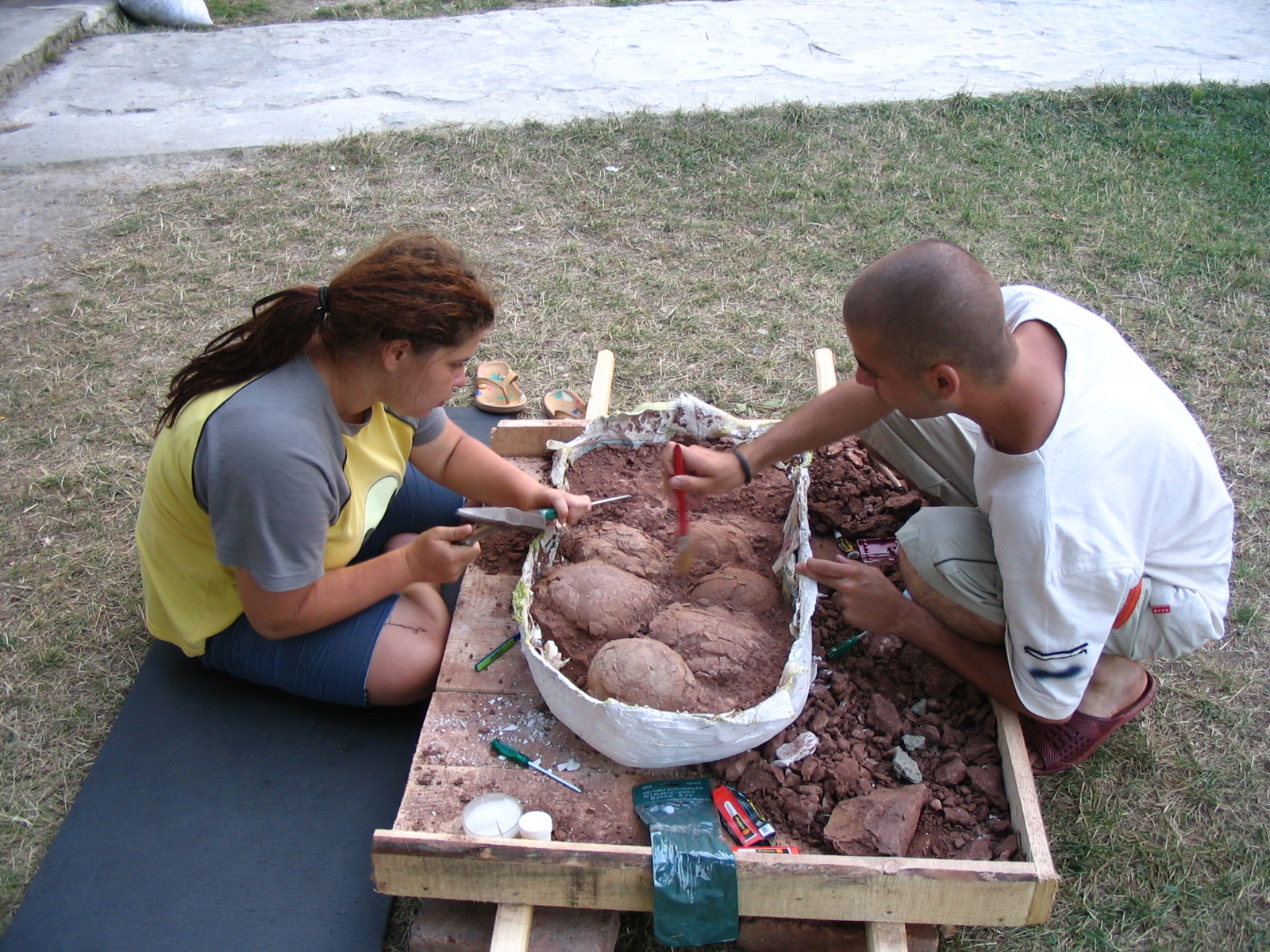
Preparing the nest - Berthlot
by Geoparc Administration
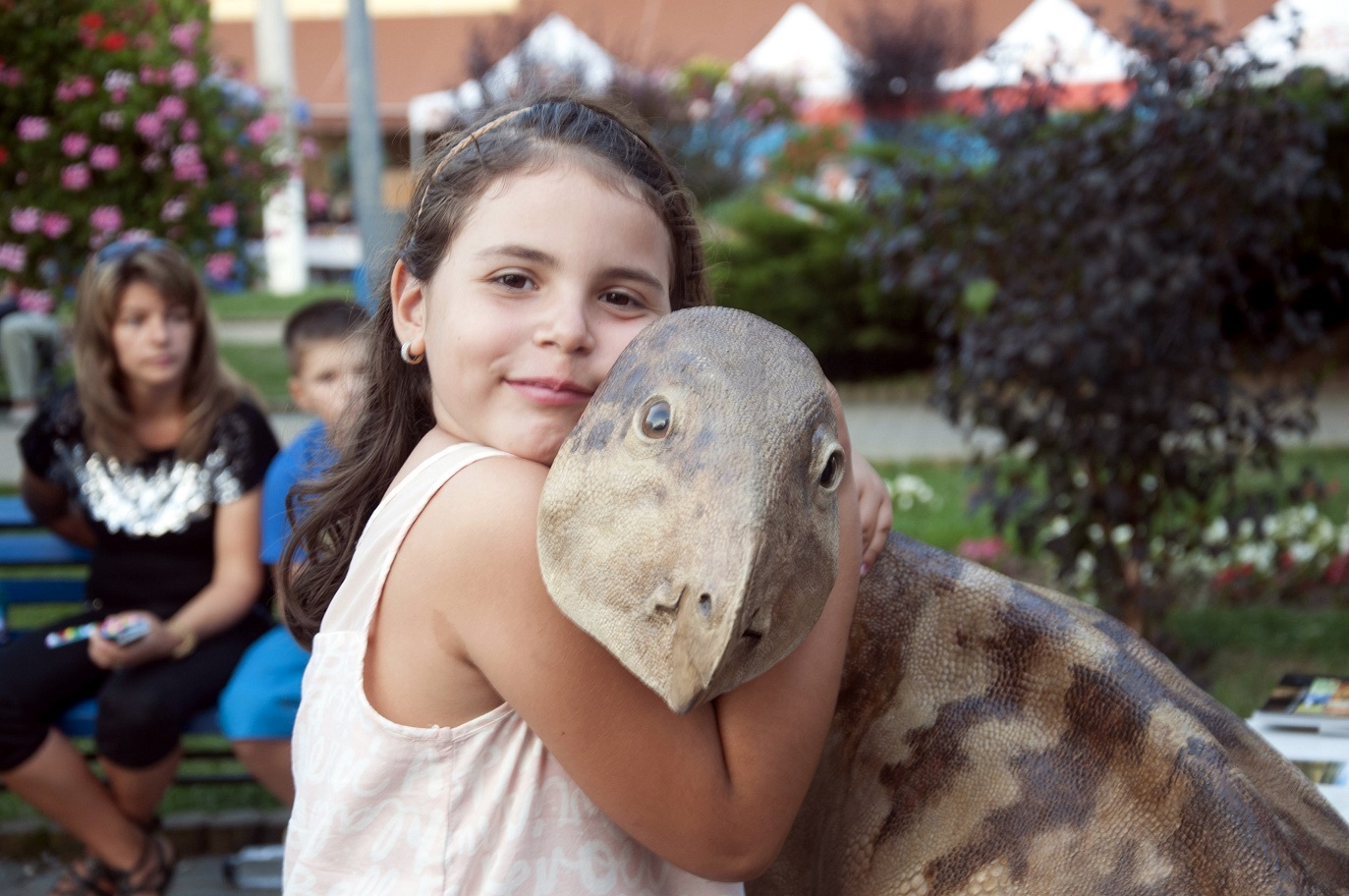
Kid with dionsaur
by Geoparc Administration
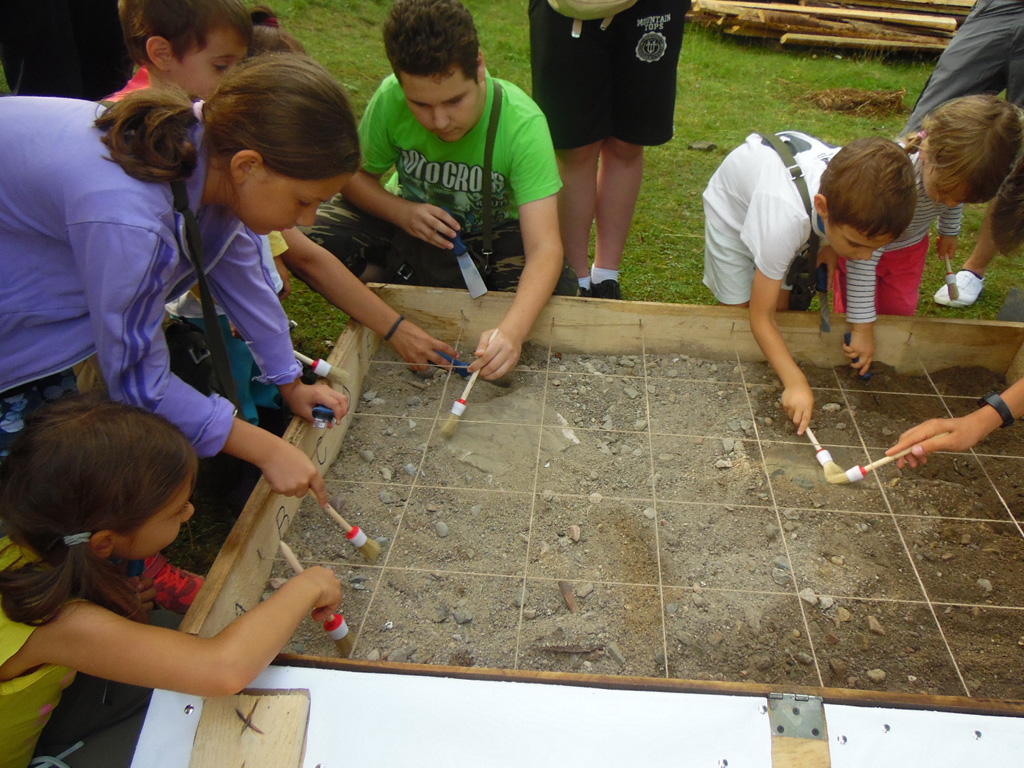
Educational programme
by Lucian Iordan
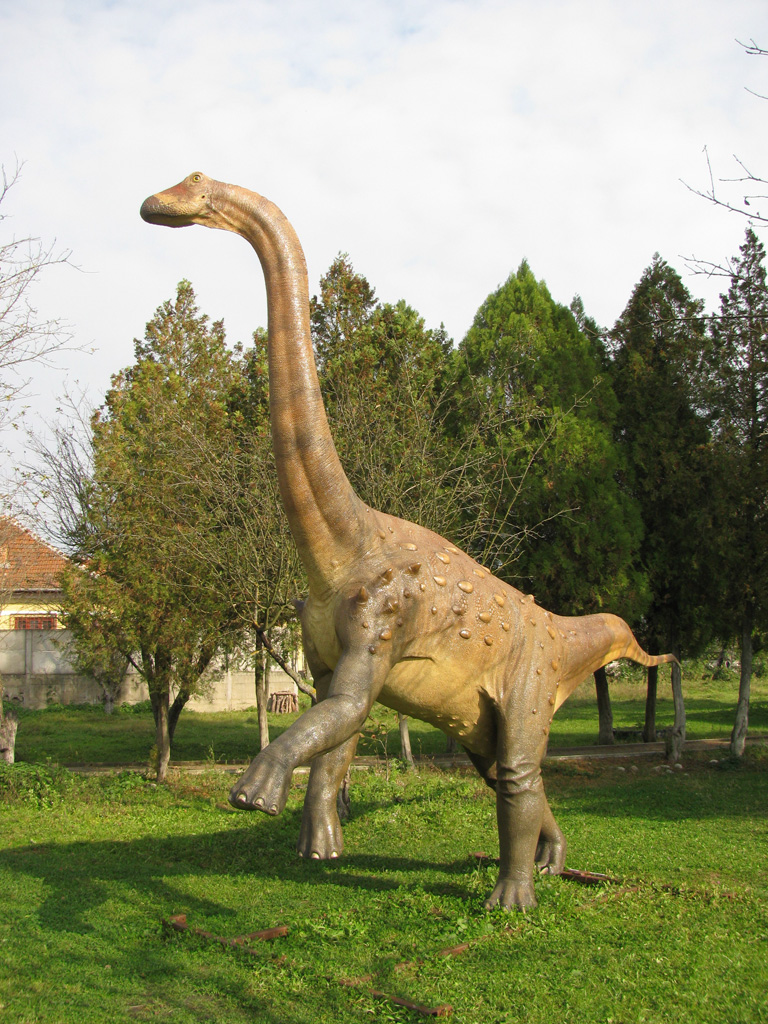
Magyarosaurus dacus
by Cristian Ciobanu
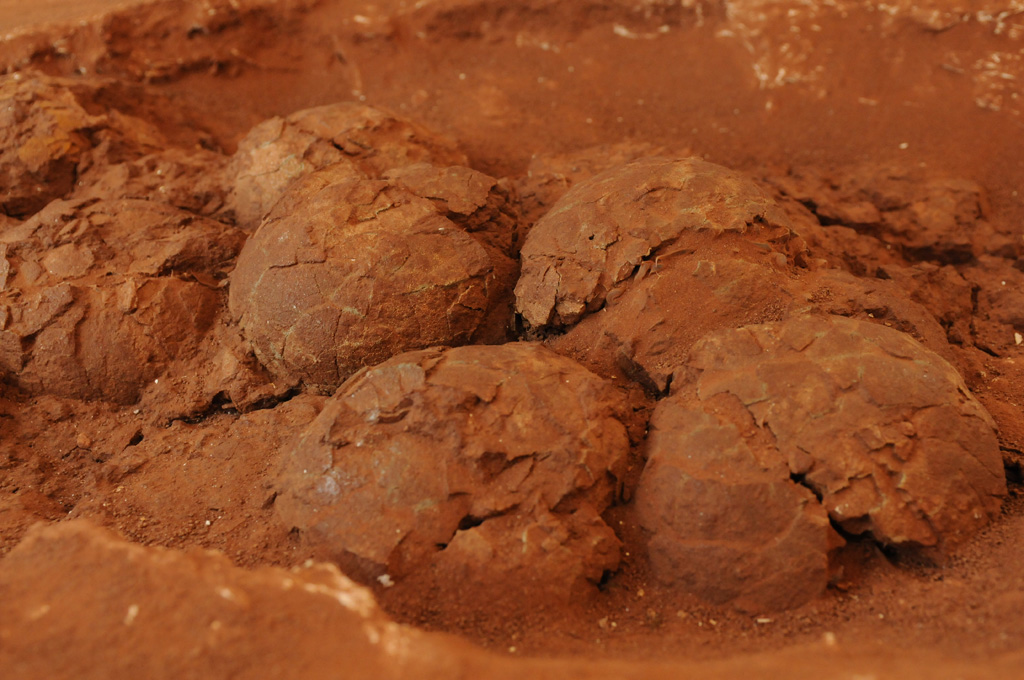
Nest with dino eggs
by Cristian Ciobanu
Background of the project
Hateg Region is a mostly rural area in western Romania. The economic transformation after the fall of communism dissolved almost all the major companies. This meant a high rate of unemployment and a migration of the workforce first to the major Romanian cities and later abroad. Therefore the communities sense of place was at its lowest, the welfare was assured by working abroad and the dream of every local was to leave.
- The need to reconnect the communities to their place, to develop a sense of place, a local pride;
- The need to make the communities aware of the richness they have in geo, bio and cultural diversity;
- The need to involve the community, to train the youth, to involve the locals in decision making regarding their values;
- The need to correlate the educational system with the local realities.
Solution and actions taken
- To develop an education strategy, an educational network – EduGeoparc, children clubs in every school in the geopark, new curricula for local values;
- To create a volunteer program in order to involve mostly young people from the communities.
- Creating the context of the Geopark development: a team, a strategy and the infrastructure;
- Community involvement: visiting and talking to every social group in every village, creating a consultative committee for the Geopark’s management;
- Creating the educational network EduGeoparc by involving all the stakeholders;
- Creating the volunteer program according to the Romanian and EU law.
Other institutions or parties involved
- More than 10 local NGOs;
- 5 national NGOs;
- 5 universities;
- Local administrations;
- Hateg county administration;
- Hateg schools and high school;
- Local private companies;
- Neighbouring protected areas;
- The gendarmerie.
Results
- More than 300 pupils and 25 teachers are involved in the children clubs. More than 150 volunteers are enlisted in the volunteer program;
- The tourism infrastructure of the geopark is set in place so the number and quality of tourists changed and the locals benefit from this;
- Tens of projects and events were created and managed by the volunteers.
Challenges
- The people’s reluctance to volunteering, after the bad connotations this activity got during communism;
- The difficulty for the teachers to adapt to new techniques and content;
- Financial difficulties.
Lessons learned
- The key for a successful protected area management is constant community involvement;
- The best way to involve the community is to work with children and youth;
- The children and youth should be involved not only as receivers of information and behavior, but also as creators and managers.
Contact name
Cristian Ciobanu
Institution name
University of Bucharest – Hateg Country UNESCO Geopark
Website(s)