Case Study
Living with Bears: Youth Perspectives from Vrancea County
Contact name
Paraschiv Alina-Luminita
Institution name
PROIPARK - FUNDAȚIA PENTRU ARII PROTEJATE
Region & country
Romania
Summary
A group of selected students from Simion Mehedinți High School in Vidra, together with teacher Anca Bucur, joined the national program Activating Future Leaders for Nature Protection, run by Propark Foundation for Protected Areas and funded by the Active Citizens Fund Romania. They explored the presence of brown bears near Vrancea communities and created a position paper with coexistence recommendations, presented to the Scientific and Consultative Councils of Putna-Vrancea Nature Park. Through simulated council sessions, students learned about local challenges, collaboration, and active participation in decision-making.
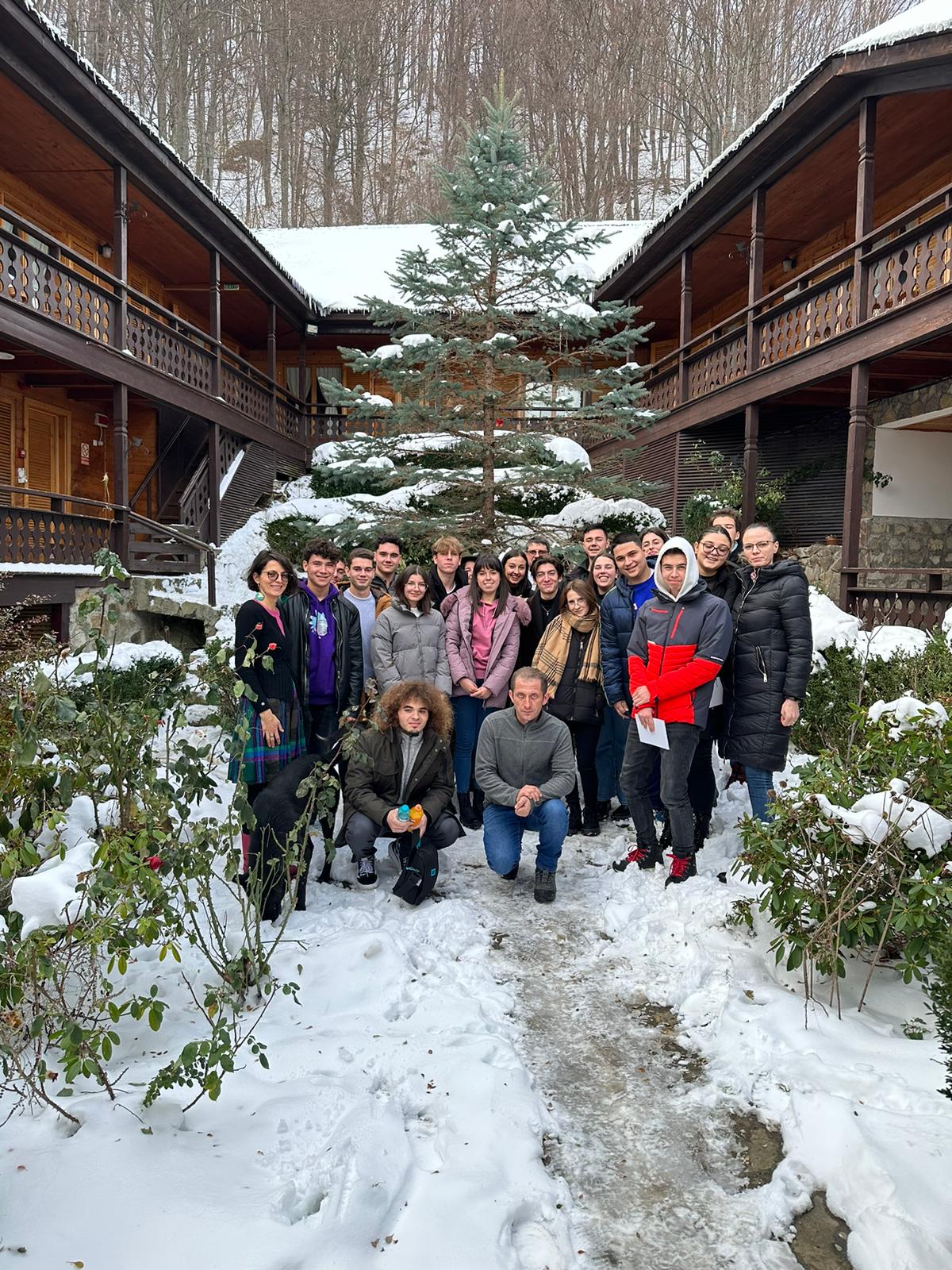
After a meeting with the representatives of Putna-Vrancea Nature Park
Propark Foundation for Protected Areas
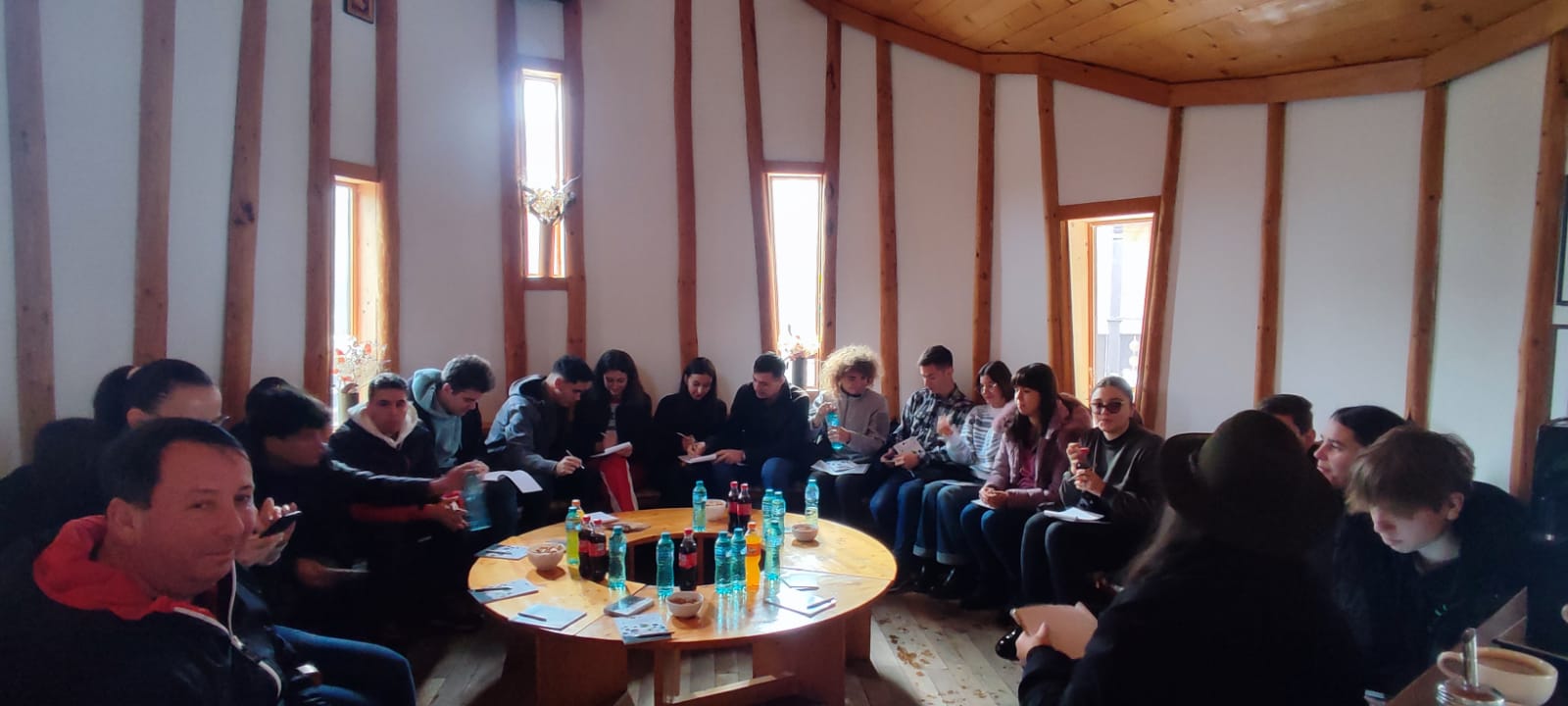
Working meeting with the representatives of Putna-Vrancea Nature Park
Propark Foundation for Protected Areas
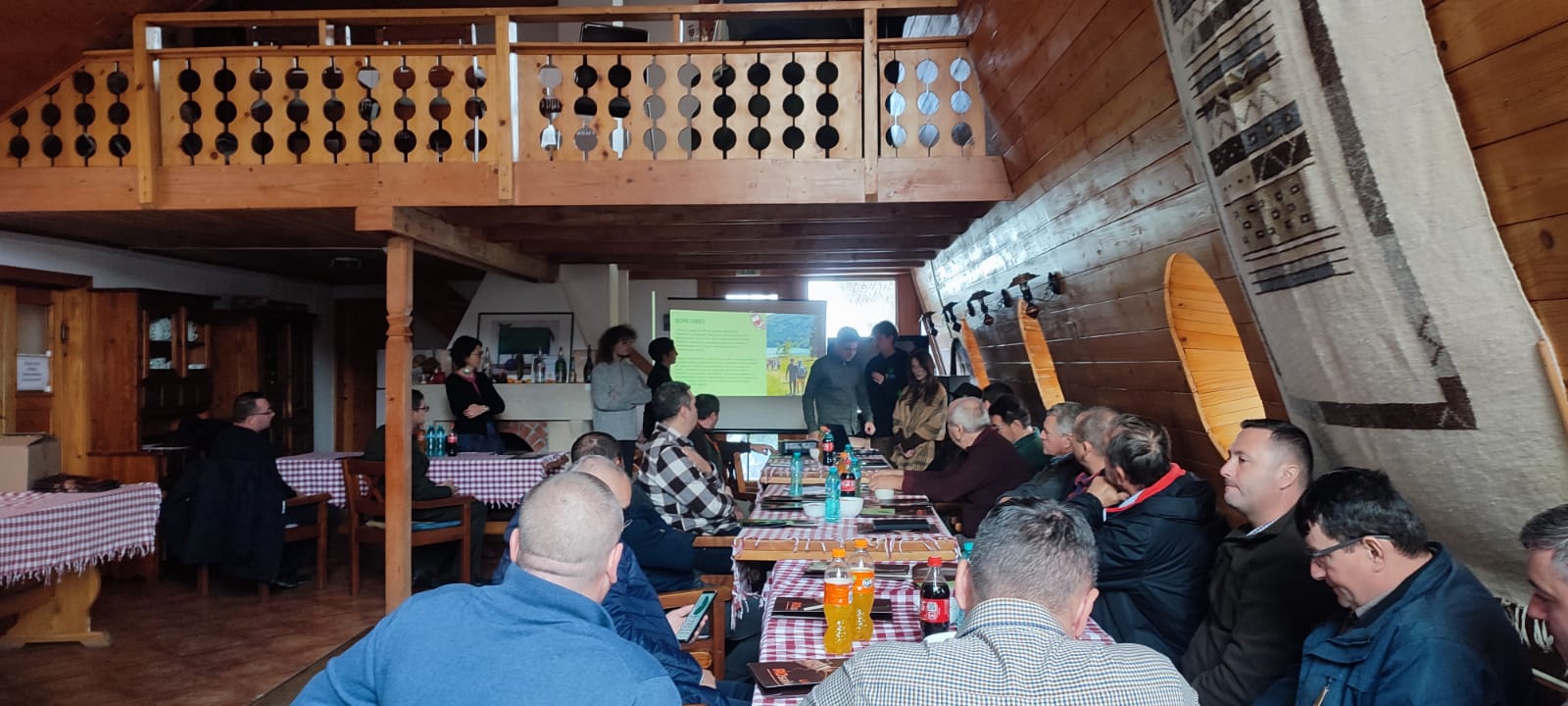
Working meeting with the representatives of Putna-Vrancea Nature Park 2
Propark Foundation for Protected Areas
Background of the project
In rural regions of Romania, including Vrancea County, the presence of brown bears in proximity to human settlements has been a long-standing reality. As villages and human activities have expanded, such encounters have become more frequent. Bears are occasionally drawn to inhabited areas in search of food, which can pose challenges for both local communities and the species itself, affecting public safety, property, and wildlife conservation efforts.
The students participating in the project identified several key needs: to ensure public safety by reducing risks from human-bear encounters, to safeguard the conservation of the brown bear as a key species, and to promote long-term coexistence between people and wildlife. They also recognised the need for better monitoring tools to understand bear movements and prevent conflicts.
Solution and actions taken
The students developed a youth-driven proposal rather than implementing concrete measures. Their position paper suggested actions such as secure waste management, community awareness and education, habitat protection, technological monitoring systems, and clear safety protocols. The proposal served as a constructive platform for dialogue with experts and stakeholders.
Students first joined lessons on nature and conservation, supported by Propark and Putna-Vrancea Nature Park staff. Working in groups simulating Scientific and Consultative Councils, they explored community challenges and focused on human-bear coexistence. With guidance from Propark and park experts, they developed a position paper summarizing recommendations for better coexistence.
Other institutions or parties involved
The project was implemented by Propark Foundation for Protected Areas, with support from the Active Citizens Fund Romania. The students from Simion Mehedinți High School in Vidra worked together with their teacher and received guidance from the administration of the Putna Vrancea Natural Park. Their proposal was presented within the park’s Scientific Council (experts) and Consultative Council (stakeholders such as authorities, NGOs, forestry representatives, and community actors).
Results
No concrete measures have been implemented, as the students’ role was limited to making proposals. However, their recommendations were presented to the Scientific and Consultative Councils of Putna Vrancea Natural Park, raising awareness of the issue and showing how youth voices can contribute to dialogue with experts and stakeholders. The initiative strengthened connections between young people and park governance.
Challenges
A key challenge was to build youth Scientific and Consultative Councils able to continue across generations and collaborate long-term with Putna-Vrancea Nature Park. A stable structure to ensure continuity is still missing. As this was an educational exercise, students could not implement concrete actions, limiting their role to discussions and simplified proposals on a complex topic.
Lessons learned
The project showed that young people can meaningfully contribute to conservation debates, even without implementing measures. By working in groups simulating real councils, students learned about the complexity of decision-making, the importance of balancing public safety and wildlife conservation, and the value of active participation and dialogue with experts and stakeholders.
Other resources
Contact name
Paraschiv Alina-Luminita
Institution name
PROIPARK - FUNDAȚIA PENTRU ARII PROTEJATE
Website(s)