Galicica National Park: A Biodiversity Jewel Joining Our Network
(c) From Lake Prespa to Galicica, Galicica NP
We are excited to welcome Galicica National Park to the EUROPARC Network! This new member is one of Europe’s richest biodiversity hotspots. Learn about its conservation priorities, community partnerships, and cross-border cooperation efforts as it joins our Protected Area network.
Welcome to Galicica National Park
We are proud to welcome Galicica National Park to our network of Protected Areas. Situated between Lakes Ohrid and Prespa on the border of North Macedonia, Albania, and Greece, Galicica is internationally recognised for its exceptional biodiversity, rare habitats, and long-standing conservation tradition.
As the Park joins us, we are excited to present its key management priorities, recent conservation achievements, and ongoing collaborations that support sustainable development and nature protection in the region.
Top Management Priorities for Galicica National Park
The Public Institution Galicica National Park (PIGNP) has clearly defined priorities that guide its long-term management strategy. Over the coming years, the Park is focused on four core goals:
1. Strengthening Nature Protection and Conservation
Preserving the Park’s extraordinary natural values is the highest priority. This includes protecting endemic species, safeguarding habitats, and addressing ecological threats such as habitat succession.
2. Enhancing Recreational Opportunities
Galicica aims to provide safe and sustainable outdoor recreation, ensuring that visitors can enjoy hiking, cycling, wildlife viewing, and other activities without compromising ecosystem integrity.
3. Increasing Environmental Awareness
Through education programmes, guided tours, publications, and community outreach, the park works to raise public awareness of ecological issues and the importance of conservation.
4. Supporting Local Livelihoods
PIGNP aims to help local communities benefit from the park’s natural and cultural resources-through sustainable tourism, traditional practices, and employment opportunities-ensuring that conservation and community wellbeing progress hand-in-hand.
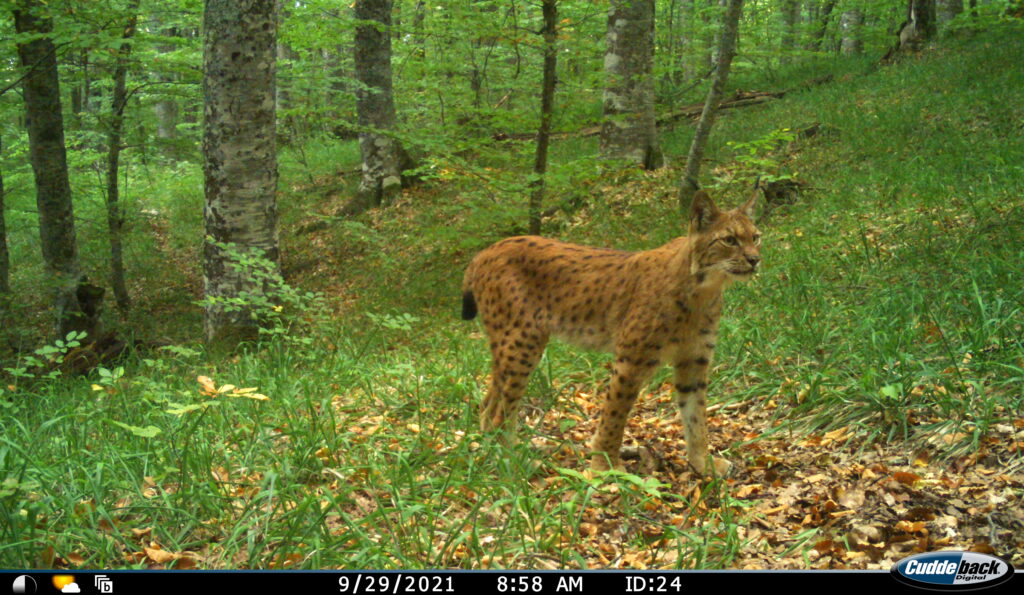
Exceptional Biodiversity: Recent Conservation Efforts and Findings
Galicica is one of the richest biodiversity hotspots in Europe, home to thousands of plant and animal species.
A Snapshot of Galicica’s Biodiversity
- 63+ plant communities and 37 habitat types
- 1,700+ vascular plant taxa, including 13 steno-endemic species
- 3,300+ animal species, with 68 steno-endemics
- 23 globally threatened species
- Hundreds of species protected under national, EU, or international law
Addressing Habitat Succession in High Mountain Pastures
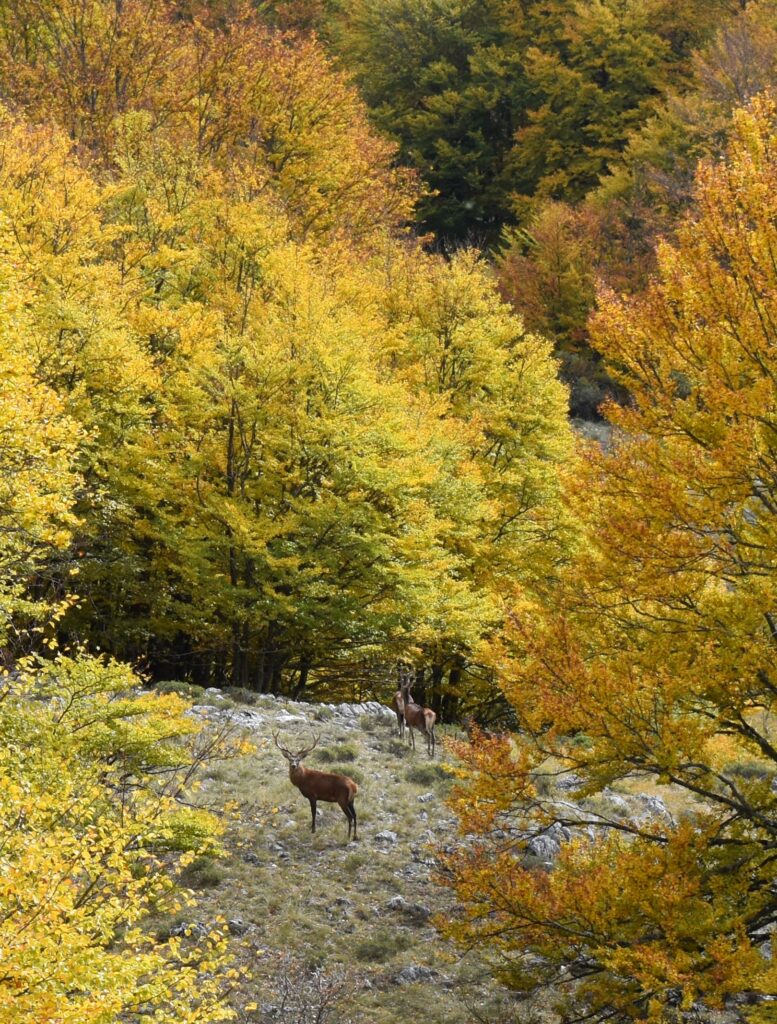
(c) Red deer-Cervus elaphus, Galicica NP
More than 7,000 hectares of Galicica are secondary habitats-mostly high mountain pastures. Due to declining traditional grazing and mowing practices, these areas are experiencing rapid succession.
Because it is difficult to motivate communities to return to traditional livestock farming, the park is implementing measures to support populations of large wild herbivores. These animals help maintain open habitats and slow down succession, protecting biodiversity that depends on these landscapes.
Targeted Conservation in Juniper Forests (Habitat 9560)
Over the past two years, PIGNP carried out major interventions in the priority habitat 9560 – Endemic forests with Juniperus spp., including:
- Preventing forest succession
- Supporting natural regeneration via afforestation
- Establishing permanent monitoring plots
These actions strengthen the long-term resilience and ecological functioning of Grecian juniper forests, one of Galicica’s most important habitats.
Long-Term Biodiversity Monitoring Programme
The park is implementing a comprehensive programme that tracks changes in key habitats and species.
Habitats monitored:
- 9560* Endemic juniper forests
- 9270 Hellenic beech forests with Abies borisii-regis
- 91E0* Alluvial forests with Alnus glutinosa and Fraxinus excelsior
Monitored plant species:
- Centaurea tomorosii
- Nepeta ernesti-mayeri
- Sideritis raeseri
Monitored animal species:
(selection of 11 monitored taxa)
- Apollo butterfly (Parnassius apollo)
- Macedonian newt (Triturus macedonicus)
- Balkan chamois (Rupicapra rupicapra balcanica)
- Balkan lynx (Lynx lynx balcanicus)
- European nightjar (Caprimulgus europaeus)
- Bombina taxonomy (yellow-bellied toad)
- Other key species tracked due to ecological or conservation importance
This structured monitoring ensures early detection of threats, timely action, and long-term scientific understanding of ecosystem trends.
Cross-Border Cooperation With Neighboring Protected Areas
Because Galicica is located at the intersection of North Macedonia, Albania, and Greece, cross-border collaboration is essential.
Regional and International Partnerships
- PIGNP regularly invites representatives from other national parks in North Macedonia to exchange knowledge.
- In the early 2000s, Galicica initiated a memorandum of cooperation with Albania’s Prespa National Park. Although it is currently inactive due to administrative changes, the foundation for cross-border collaboration remains strong.
- PIGNP maintains regular informal cooperation with NGOs across all three countries, creating a productive network for ecological research, habitat protection, and community projects.
These collaborations foster a shared approach to managing transboundary ecosystems, including Lake Ohrid and Lake Prespa basins-two globally important natural areas.
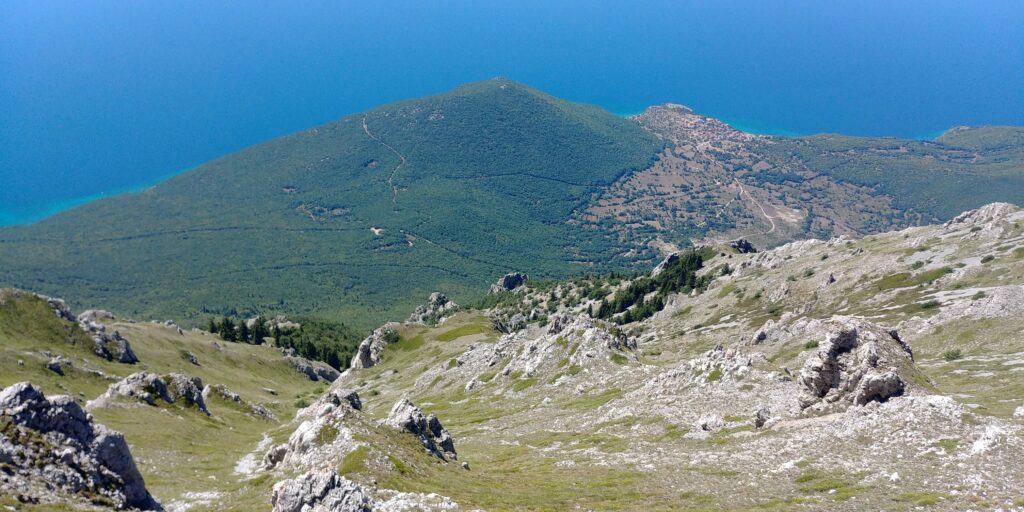
(c) From Galicica to Lake Ohrid, Galicica NP
A Strong Future for Galicica National Park
As Galicica National Park joins our network, we look forward to highlighting its conservation achievements, supporting its sustainable development goals, and promoting its role as a model for biodiversity protection in Southeast Europe.
With its outstanding natural richness, dedicated management team, and strong community and international partnerships, Galicica is an example of how Protected Areas can thrive in the 21st century.