Spotlight Story: Overcoming Challenges with Transboundary Solutions
(c) Csilla Dorogman TransParcNet 2026
While geographically different, cross-border Protected Areas face remarkably similar operational pressures. In the Krkonoše/Karkonosze Mountains, historical drainage changed the natural water balance, which led to falling groundwater levels and degraded peatlands.
Further north, in the Pasvik-Inari Transboundary Area, park managers address a combination of rapid Arctic climate impacts and regional shifts in cooperation. Norwegian and Finnish park authorities restructured their long-standing collaboration into a bilateral framework to maintain continuous environmental monitoring across the border.
Meanwhile, in the Alpine region of Binntal Nature Park and Ossola Protected Area (Veglia-Devero), park authorities balance different administrative frameworks across national borders. In Switzerland, nature parks operate primarily through regional consensus and promotion without direct regulatory powers over land management. Conversely, Italian regional parks enforce strict legal mandates across all environmental sectors. These administrative differences require creative solutions to align protection efforts.
These complex situations highlight a clear reality: when ecosystems cross borders, isolated park management actions fail to deliver long-term results.
Technical Solutions for Transboundary Nature Conservation
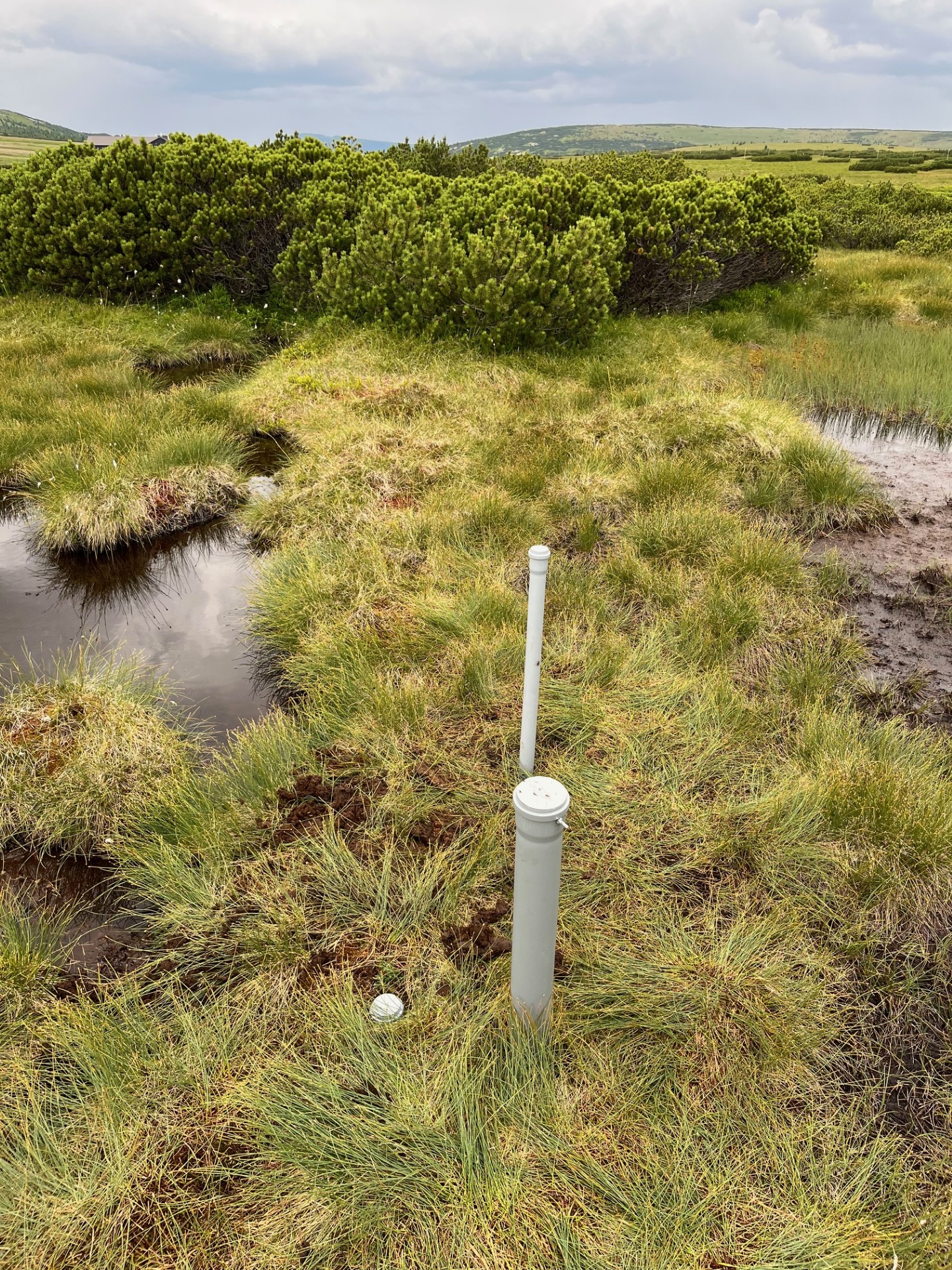
(c) Peatbogs, Krkonose/Karkonosze Transboundary Area
To protect these connected landscapes, partner organisations across all three regions implement direct technical, scientific, and operational solutions:
- Harmonised Ecological Monitoring: Czech and Polish partners develop a shared peatland inventory and standardised “peatland cards” to identify priority restoration sites[Project: CZ.11.01.02/00/23_011/0000161 Importance, change and practical protection of peatbogs]. Similarly, Finnish and Norwegian authorities run joint monitoring programmes, including non-invasive hair-trap studies for brown bears and coordinated water quality tracking in shared river catchments.
- Active Habitat Restoration: Monitoring data directly informs on-the-ground action. In Krkonoše/Karkonosze, managers build small wooden dams to block drainage channels and re-wet degraded peatlands.
- Systematic Climate Adaptation: Through the Interreg Aurora-funded CLAP project (2024–2026), Arctic managers test climate-adapted trails, electric maintenance equipment, and resilient campsite designs to keep visitors safe while protecting fragile habitats.
- Cross-Border Knowledge Transfer and “Quiet Zones”: Italian managers in Veglia Devero adopted Swiss-inspired “Quiet Zones” to protect wintering and nesting wildlife from human disturbance. Both parks now work to integrate these Italian wildlife protection areas directly into official Swiss topological mapping. Additionally, through the joint MINERALP project, both parks conduct cross-border training for park guides and celebrate their shared mineral heritage.
Key Lessons for Future Conservation Programmes
The combined experiences of these Protected Areas demonstrate three essential principles for transboundary nature conservation:
-
Ecosystems do not follow administrative borders. Managing them effectively requires harmonised data and shared decision-making frameworks, even when legal systems differ.
-
Successful long-term management depends on local involvement. Incorporating Sámi representation and cultural guidelines in the north, alongside local alpine farmers and stakeholders in the Alps, ensures traditional knowledge and local needs guide conservation priorities.
-
Building strong, day-to-day working relationships between park administrations turns project-based cooperation into lasting environmental protection.
By sharing knowledge and coordinating action across national borders, European park partners demonstrate that nature conservation achieves the greatest impact when it remains connected, shared, and boundary-free. Explore more about how we support park networking across Europe on our EUROPARC Transboundary Parks Programme page.
Here is your chance to become an accredited Transboundary Area:
Get to know the 2026 STAR Award Winners!
We are delighted to announce the winners of the STAR Awards 2026, recognising outstanding tourism businesses that demonstrate excellence in sustainable tourism within ECST Protected Areas.
STAR Awards: Celebrating Sustainable Tourism Development
This year’s winners have shown exceptional commitment to conservation, local development, environmental education, and sustainable business practices, contributing to the goals of the European Charter for Sustainable Tourism.
STAR Award Overall Winner
Società Agricola Montagna Verde
Located in Appennino Tosco Emiliano National Park, Italy
Activities: Accommodation, restaurant and food services, environmental education centre, and farming.
Awarded First Place and STAR Award Overall Winner, Società Agricola Montagna Verde was recognised for its outstanding integrated approach to biodiversity conservation, rural regeneration, environmental education, sustainable agriculture, and local employment creation.
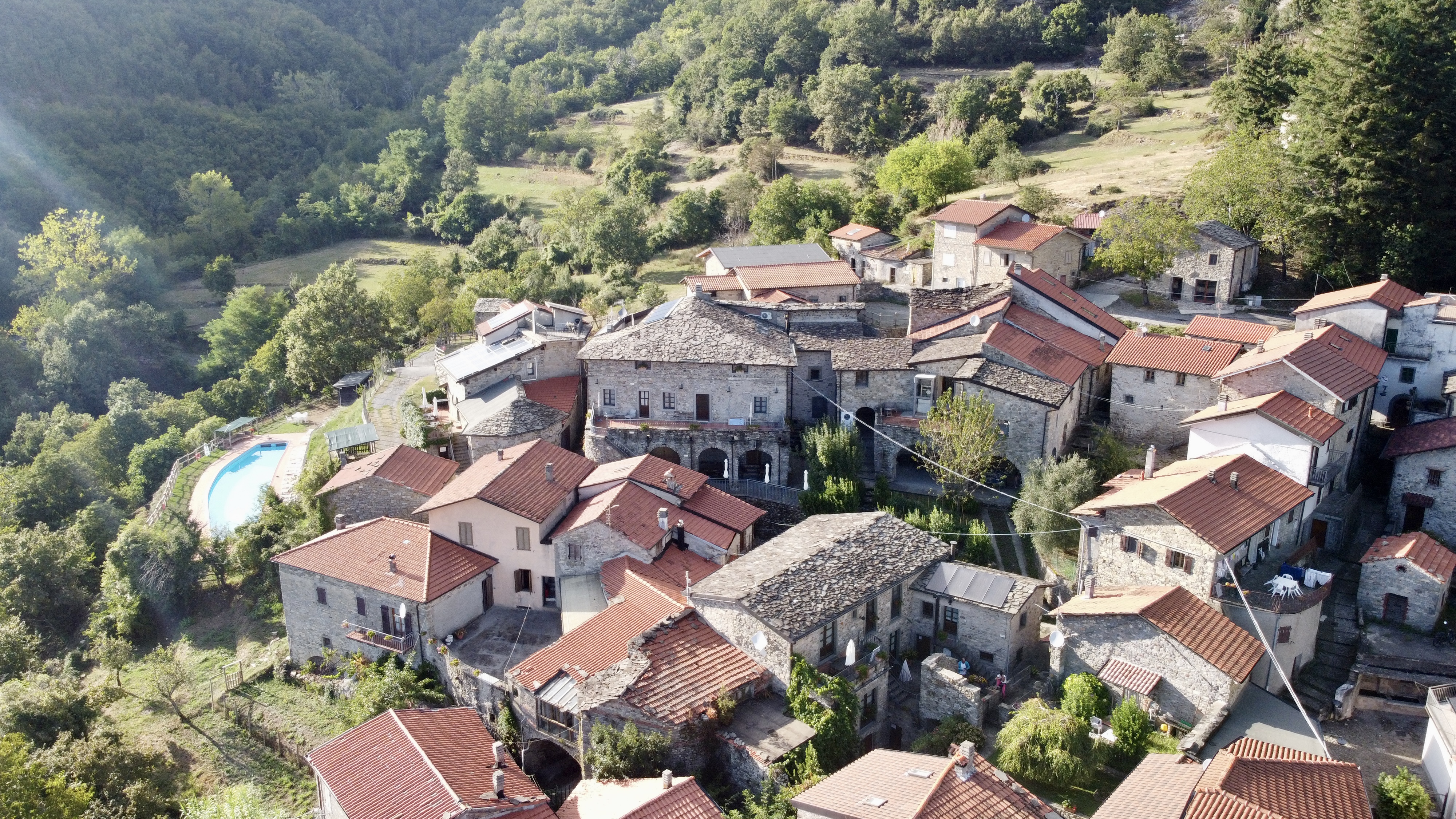 Picture Credit: Barbara Maffei
STAR Award Runner-Up
Ipalan
Located in Garajonay National Park, Spain
Activities: Nature and cultural guiding services and incoming tourism agency.
Awarded Second Place and STAR Award Runner-Up, Ipalan was recognised for its exemplary engagement of visitors in conservation activities, its strong collaboration with the Protected Area, and its commitment to environmental education and ecosystem restoration.
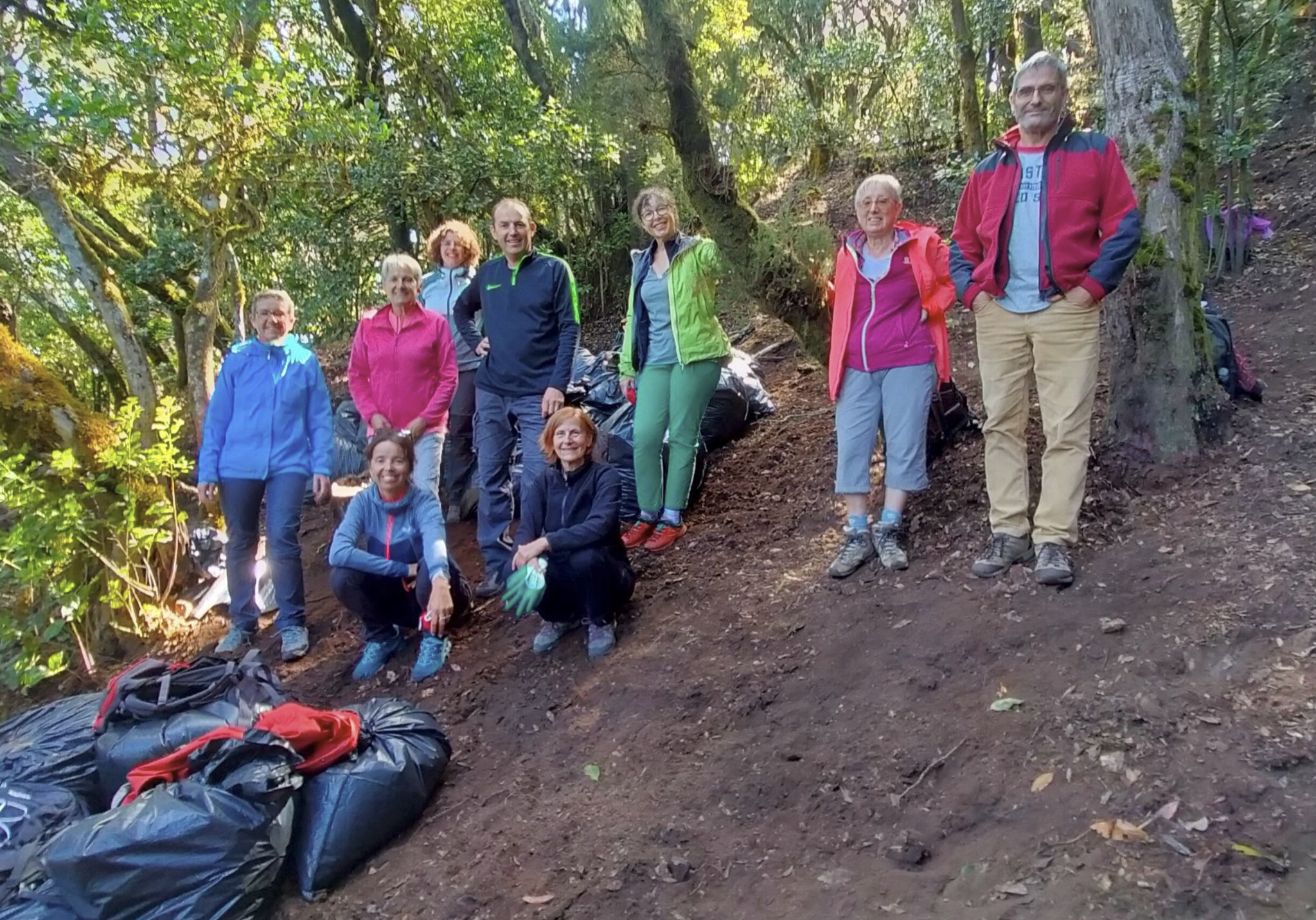 Picture credit: Ipalan
STAR Award Honourable Mention
Bodega Vinculo Serrano
Located in Batuecas-Sierra de Francia Natural Park, Spain
Activities: Agricultural producer.
Awarded Third Place and STAR Award Honourable Mention, Bodega Vinculo Serrano was recognised for its contribution to regenerative agriculture, landscape conservation, sustainable rural development, and the preservation of traditional farming systems.
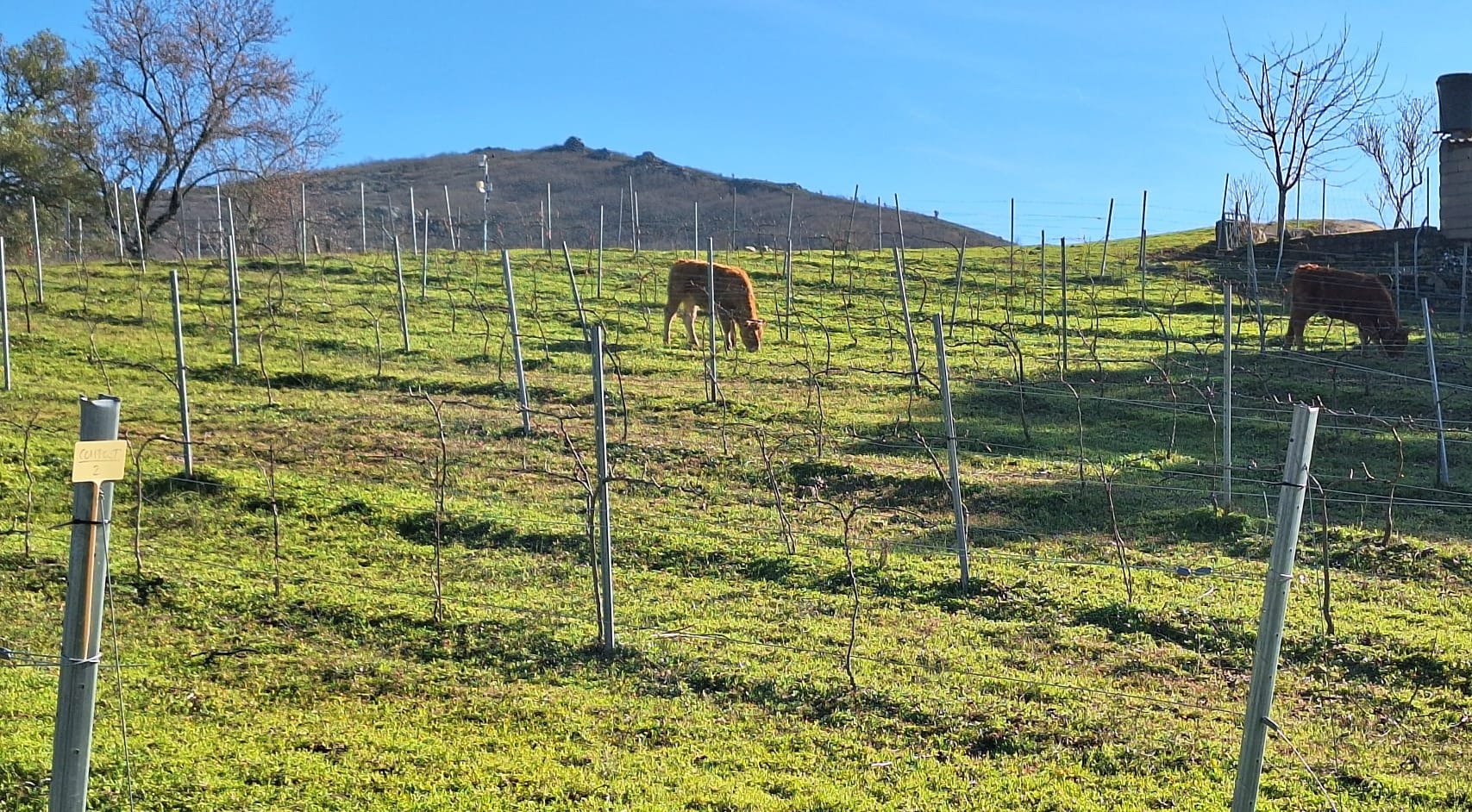 Picture Credit: Bodega Vinculo Serrano
The Star Awards recognise businesses that deliver tangible benefits for nature, local communities, and visitors. The Star Awards 2026 winners demonstrate how tourism businesses can play a vital role in supporting Protected Areas while contributing to resilient local economies. They will officially be awarded during the ECST Award Ceremony in Brussels later this year.
Learn more about EUROPARC’s Programme ‘European Charter for Sustainable Tourism in Protected Areas’.
Welcome Naturpark Beverin to the EUROPARC Federation
NP Beverin
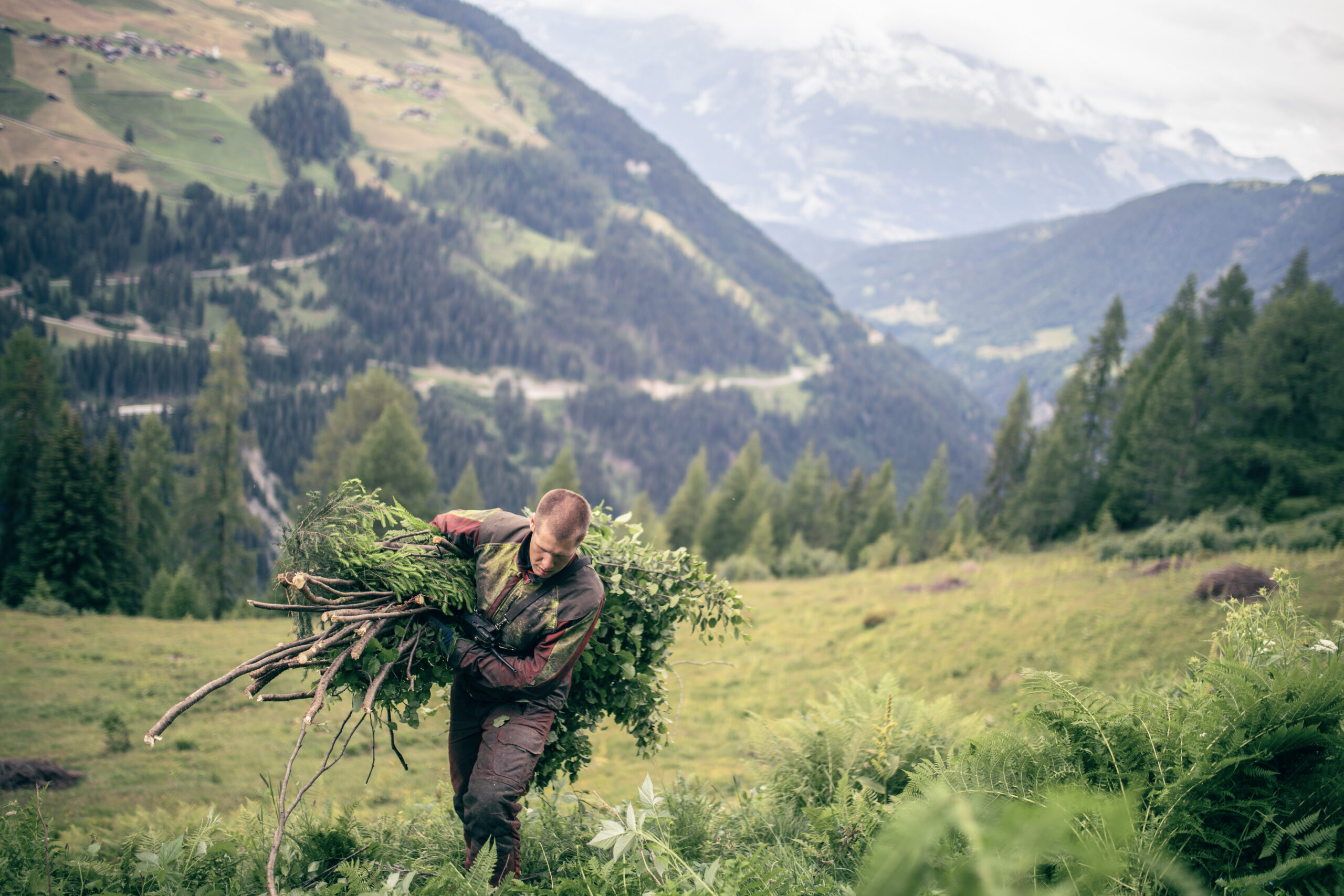
The EUROPARC Federation is delighted to welcome Naturpark Beverin as a new member. Located in the Swiss Alps, the park unites nine municipalities that work together to protect nature, preserve cultural landscapes, and strengthen rural communities.
Naturpark Beverin shows how biodiversity conservation and regional development can succeed together. Its projects restore valuable habitats, support traditional farming, and create lasting benefits for people who live and work in the region.
Protecting cultural landscapes
Traditional alpine landscapes define the identity of Naturpark Beverin. The park actively preserves these landscapes through practical conservation and close cooperation with local farmers.
One important project restores historic dry-stone walls. These walls mark pasture boundaries, protect slopes from wind and avalanches, and provide shelter for many plants, insects, reptiles, and small mammals.
The park also uses goats and Engadin sheep to restore species-rich dry meadows. Carefully managed grazing reduces scrub encroachment and brings abandoned alpine pastures back into use. At the same time, Naturpark Beverin supports the production and marketing of regional sheep and goat products, helping mountain farming remain economically viable.
Restoring habitats for nature and climate
Naturpark Beverin invests in large-scale habitat restoration that benefits biodiversity and climate resilience.
The Äbi river restoration is one of Switzerland’s largest river revitalisation projects. The park is widening and relocating more than one kilometre of the Hinterrhein to recreate natural river dynamics. As a result, floodplain habitats will recover and native wildlife will gain new space to thrive.
Another flagship project focuses on the Nursera raised bog. By closing old drainage ditches, the park has stopped the peatland from drying out. This restoration improves water storage, protects rare species, and strengthens an important natural carbon sink.
Supporting people and local businesses
Healthy landscapes need thriving communities. For this reason, Naturpark Beverin combines conservation with sustainable regional development.
The Val Schons commercial zone creates opportunities for local businesses and workshops. It supports jobs, encourages regional value creation, and helps reduce out-migration while respecting the surrounding landscape.
The park also works with a wide network of regional partners. It supports product development, promotes local resources, and organises volunteer projects with farmers. In addition, schools take part in outdoor learning programmes that help young people discover nature and cultural heritage firsthand.
Managing tourism through partnership
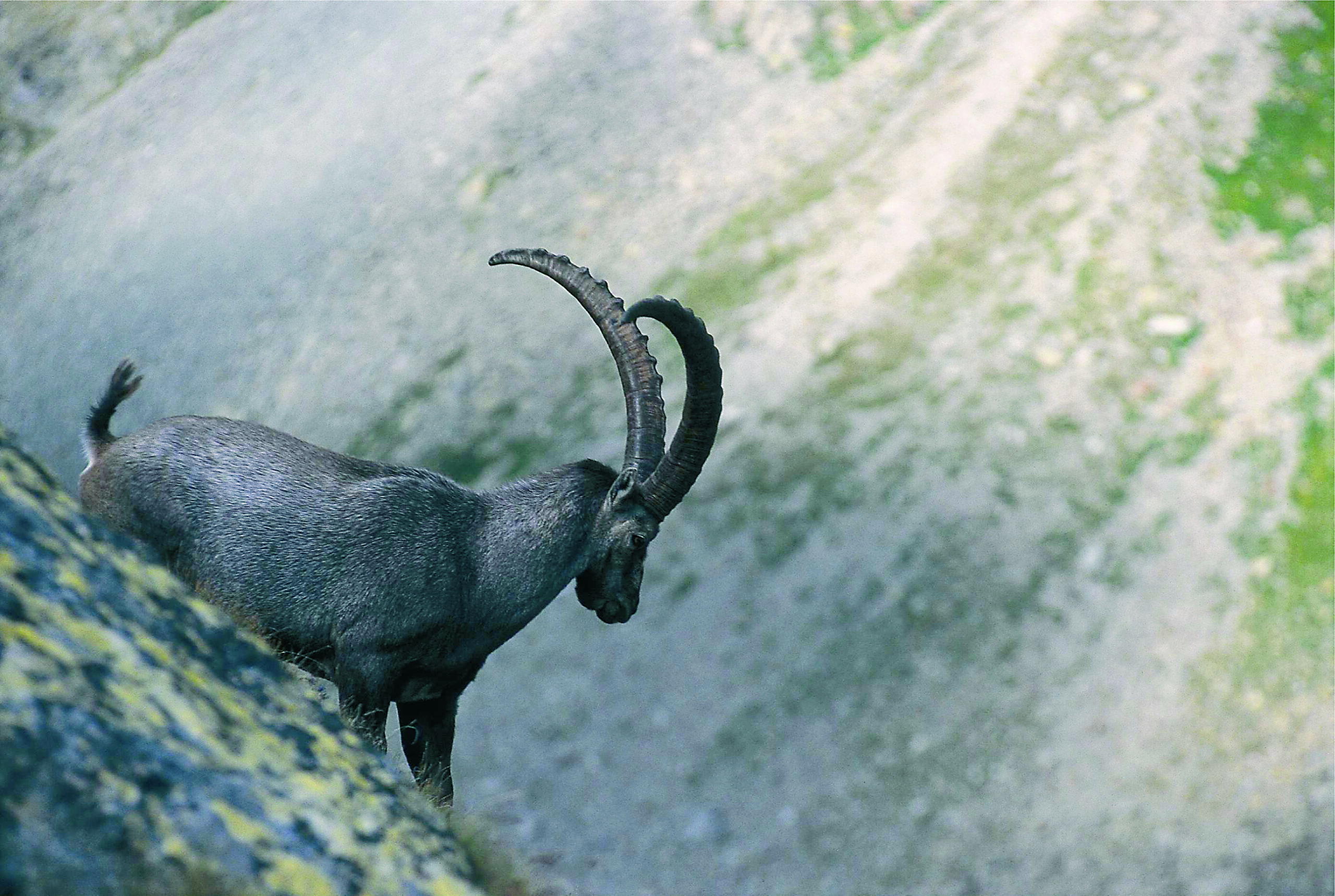
Tourism plays an important role in the region, and Naturpark Beverin works to balance visitor experiences with habitat protection.
Together with the Zurich University of Applied Sciences, the park is developing visitor monitoring and management tools. Rangers, tourism organisations, municipalities, and cantonal authorities all contribute to the project. Clear information, positive signage, and digital solutions help guide visitors while reducing pressure on sensitive wildlife areas.
A strong foundation for collaboration
Partnership is central to the success of Naturpark Beverin. The park’s nine municipalities form the foundation of its governance, while organisations such as Pro Natura, Ranger Ruinaulta, hunting associations, and local heritage groups contribute valuable knowledge and support.
We warmly welcome Naturpark Beverin to the EUROPARC Federation and look forward to working together for Europe’s protected landscapes and the communities that care for them.
EUROPARC at the Euro’Meet – The Conference on Outdoor Sport
Sundsvall by Adeline Plé
Multiple areas of collaboration between EUROPARC and ENOS.
EUROPARC at the Euro’Meet – The Conference on Outdoor Sport
The EUROPARC Federation and European Network of Outdoor Sports have built up a good working partnership over the last decade. Evidence of this can be seen in the presence at one another’s Conferences, as well as the development of the 10 Good Principles and a recent Trails Policy Paper. Last year, ENOS was active at the EUROPARC Conference in Lithuania, and this year EUROPARC attended their Euro’Meet Conference in Sweden. The event took place in Sundsvall, Sweden’s Outdoor Recreation Municipality for 2026, from 8- 10 September 2026.
Renewal of the Partnership
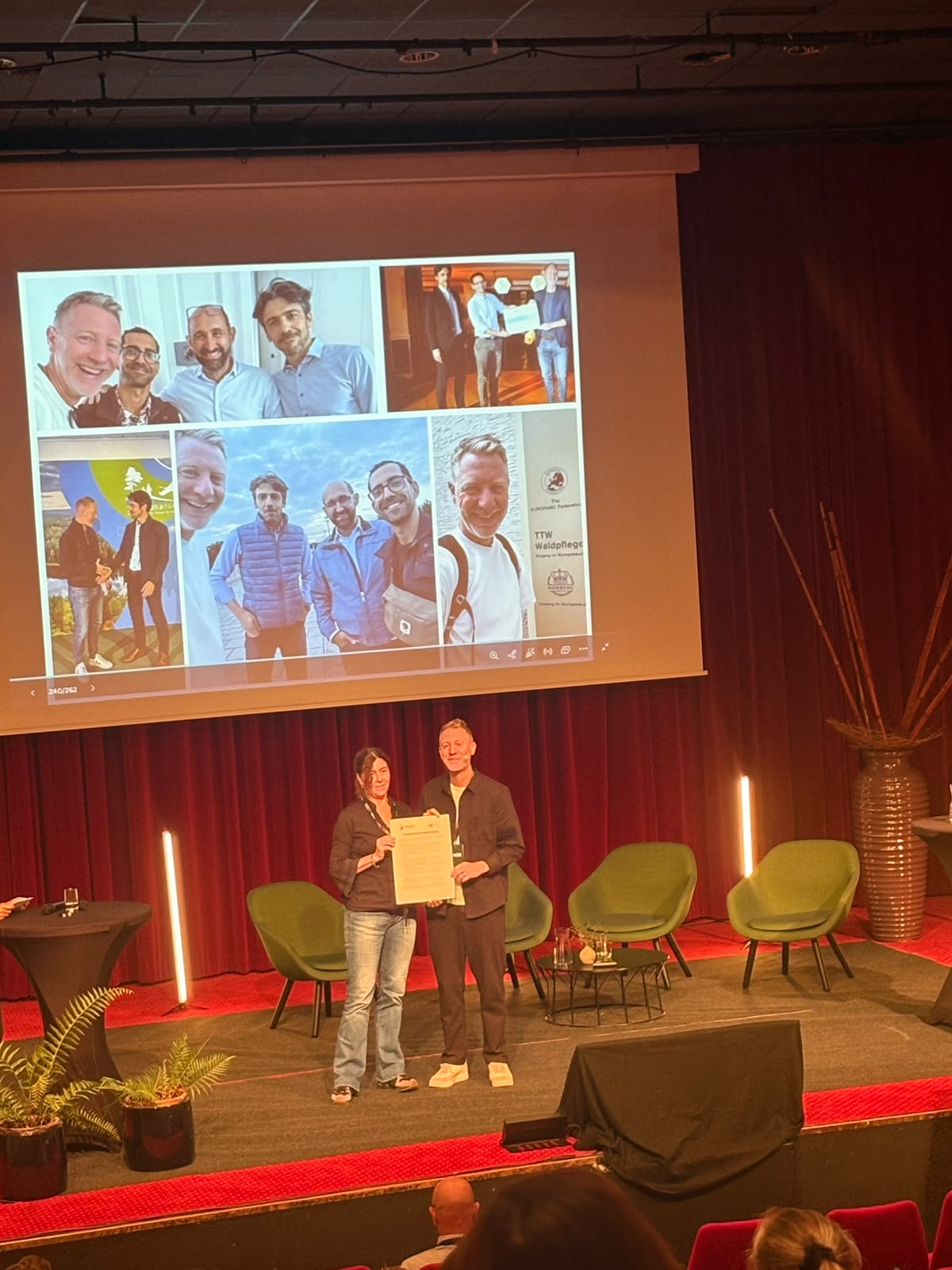
A major step taken at the Euro’Meet was a renewal of the commitment to work together for the next five years – a partnership that is successful and fruitful for both the Outdoor Sport sector and the Protected Area sector. A new Partnership Agreement was signed in the closing ceremony!
The collaboration began a decade ago, led by different people in both organisations. Ten years on, with a new EUROPARC Director, Alberto Arroyo Schnell, and the Chair of ENOS, Benjamin Billet, the collaborative spirit remains just as strong, if not stronger. This lasting partnership is made possible by the dedicated teams working together across both organisations.
Multiple meetings over the year resulted in a formal signing of the new Partnership Agreement at the Euro’Meet closing ceremony.
Collaboration between the outdoor recreation sector and Protected Areas is necessary, possible and effective. We learn from and inspire one another, recognise each other’s contributions, and challenge outdated perceptions.
Over the years, this partnership has delivered tangible results: shared principles, joint events, policy papers and projects that build on one another. Initiatives such as CONNECT – Outdoor Sports and Protected Areas are helping identify the key ingredients for successful, long-term cooperation-a partnership we are already proud to exemplify.
Winners of the EUROPARC/ENOS Joint Award
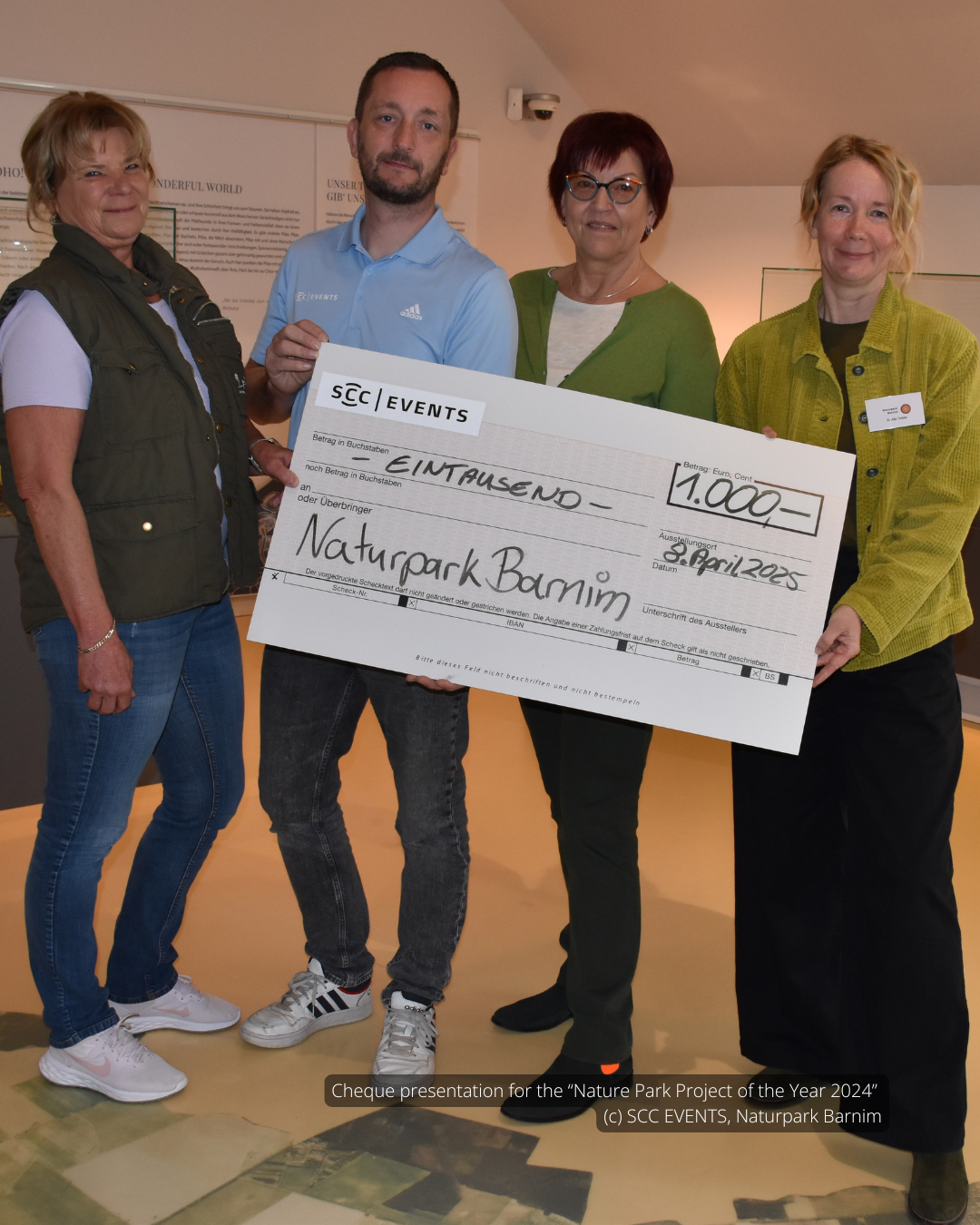
Cheque presentation for the “Nature Park Project of the Year 2024”. Copyright: SCC EVENTS, Naturpark Barnim
The EUROPARC Federation and the ENOS have launched the 2nd edition of a Joint award. This initiative aims to highlight and reward innovative projects that harmonise Outdoor Sports with protecting Europe’s treasured natural landscapes. The joint award has been designed to serve as a recognition of sustainable practices and collaboration, championing efforts that balance the enjoyment of Outdoor Sports with the conservation of natural environments.
The winners of the 2nd edition were announced publicly at the Euro’Meet in Sundsvall, Sweden, on the 10th September.
The 2026 winners were Barnim Nature Park (Germany) and HIKING HERO, an outdoor hiking event organised by SCC EVENTS, who also run the Berlin Marathon every year. The SCC Events team was looking into doing more in the field of sustainability and approached the Barnim Nature Park about possibilities for collaboration. This was how the HIKING HERO event was born; an annual hiking marathon that brings many visitors into the Barnim Nature Park and promotes sustainable hiking.
In addition to this event, SCC Events also contributes €1,000 annually to Barnim Nature Park’s “Project of the Year” competition, which supports and celebrates local initiatives contributing to nature conservation, environmental education and community engagement.
Their partnership reminds us that the future of outdoor sport depends not only on enjoying natural places responsibly, but also on building lasting relationships with the communities and organisations working to protect them.
This collaboration and the mechanisms that have made it possible will be analysed by the CONNECT project in November. Barnim Nature Park is a pilot site of this ERASMUS+Sports project aimed to strengthen relationships between local Outdoor Sports organisations and Protected Areas by identifying key elements for successful cooperation.
Workshop on the CONNECT Project
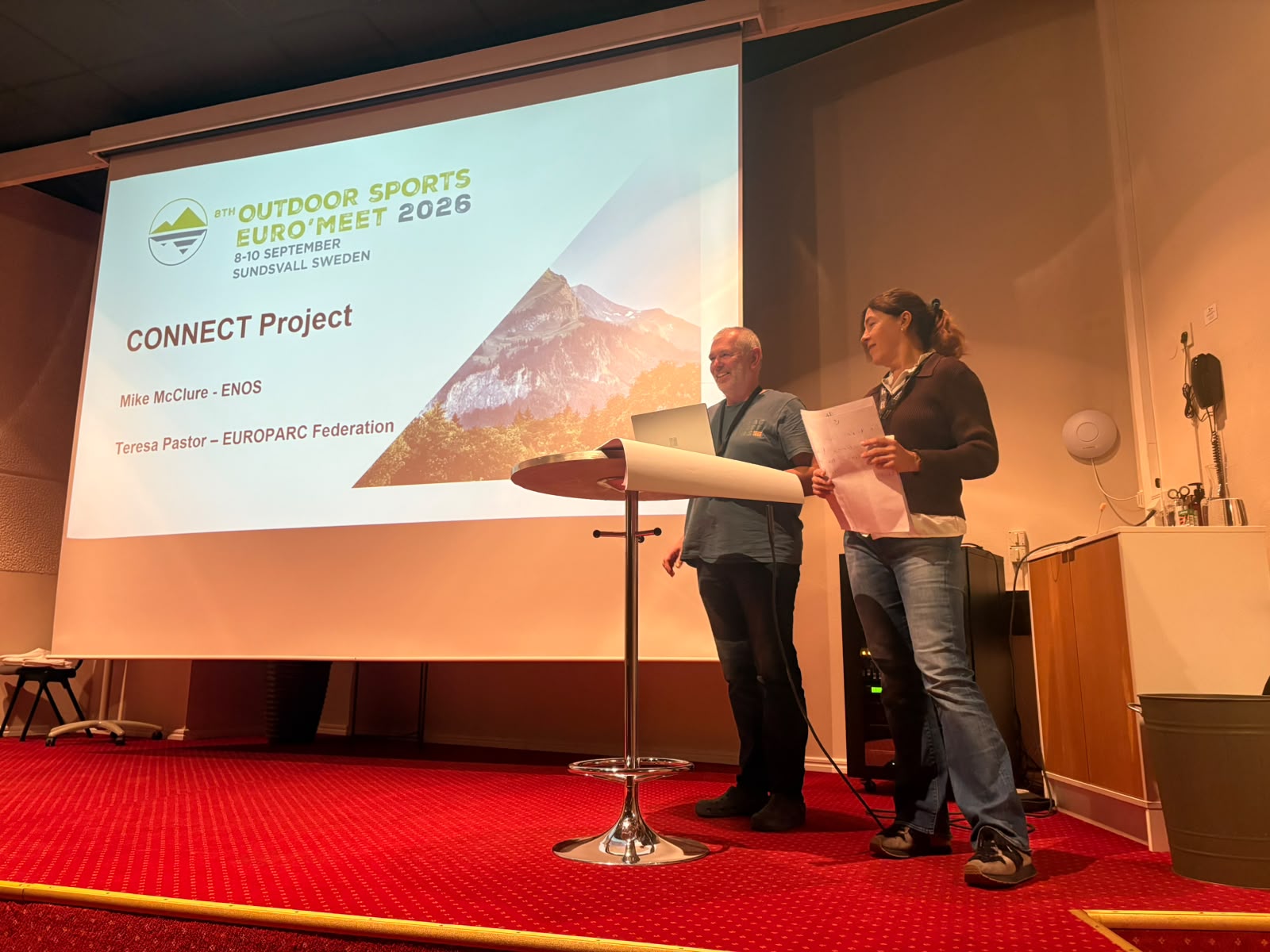
As part of the CONNECT project, a joint project together with ENOS, IMBA Europe, ERA, Surfrider Europe, Leave no Trace Ireland and Mid-Sweden University, EUROPARC co-led a participatory workshop “Connecting nature protection and outdoor sports – The Connect Project” at the Euro’Meet. The aim of the workshop was to analyse the different steps needed to move from a shallow collaboration to a deeper one.
Participants agreed that Outdoor Sports and Protected Areas share one complex ecosystem, and that collaboration benefits both. It brings one voice for awareness-raising, shared norms that avoid conflicts and general bans, access to volunteers and resources, and mutual knowledge.
Collaboration should start informally and small: build personal relationships, create a safe space without “us and them”, and begin with non-controversial common ground and small mutual objectives. Key barriers identified are a lack of information, the legal framework, funding and the number of stakeholders. One of the ways to overcome some of these is having a neutral mediator to facilitate the initial discussions.
Long-lasting trust depends on communication, joint projects, clear roles and leadership, and openly recognising power struggles. Examples from Belgium (an MTB federation invited to PA meetings and a state-funded trail specialist) and North Macedonia (MTB users building trails in a national park) show how this works in practice.
Co-creation requires open minds, respect, shared responsibility and neutral facilitation, though concrete joint actions remain to be defined. Co-governance was seen as ambitious: it raises the question of who holds power, and needs an institutional framework and a stable stakeholders’ forum. The European Charter for Sustainable Tourism in Protected Areas was cited as an inspiring model.
Interested to stay up to date?
Follow it in LinkedIn: CONNECT Page
Or join the LinkedIn Group and share your experiences: LinkedIn Group


The collaboration and the CONNECT project with ENOS are funded by the European Union. Views and opinions expressed are however those of the author(s) only and do not necessarily reflect those of the European Union or the European Education and Culture Executive Agency (EACEA). Neither the European Union nor EACEA can be held responsible for them.