EUROPARC joins the Global Partnership on Ecological Connectivity (GPEC)
Strengthening Connectivity and Protected Areas in Europe
EUROPARC joins the Global Partnership on Ecological Connectivity (GPEC)
In times when climate change is forcing species to shift their ranges across landscapes and altitudes, ecological connectivity is becoming irreplaceable to support the long-term survival of species and habitats.
Ecological connectivity, defined by the Convention on the Conservation of Migratory Species of Wild Animals as “the unimpeded movement of species, connection of habitats without hindrance and the flow of natural processes that sustain life on earth”, is vital for maintaining healthy ecosystems and to halt biodiversity loss. In Europe, where many landscapes are heavily shaped by human activity, strategic corridors and buffer zones are essential to counteract the effects of habitat fragmentation.
Connectivity allows wildlife to move for food, shelter and reproduction, thus permitting genetic flows, and to adapt to changing climates, all of which are essential for long-term species survival. Protected Areas serve as key nodes in this ecological network. Without connectivity, even well-managed protected areas can become isolated “islands,” vulnerable to ecological collapse.
In Europe, the Natura 2000 network is the cornerstone of nature conservation, targeting threatened species and habitat types listed in the Habitats and Birds Directives. Under the EU Biodiversity Strategy for 2030, the proposed Trans-European Nature Network (TEN-N) aims to complement and expand the current Protected Area network, increasing coverage by 2030 to a minimum of 30% of the EU’s land area and 30% of the EU’s sea area. A pan-European analysis conducted by the NaturaConnect project highlights that through a strategic, coordinated approach, expanding Natura 2000 sites by approximately 11% of land could more than double the amount of species and habitats protected (O’Connor et al., under review; Visconti, O’Connor & Beher 2024). Just 5% of additional protection in strategically placed locations can lead to large gains for species and habitats.
Yet, despite the 30×30 target and the urgent need for its implementation, protected area coverage in the European Union remains at around 26%, just 4% away from the goal. However, with small patches dominating the protected area network in Europe, and 75% of Europe’s Natura 2000 sites being smaller than 1km² (Beher, J. and Visconti, P., 2026), expanding coverage is not even enough. Small, isolated patches do not guarantee the functioning of ecological processes, as they don’t support the full range of movement of species or the flow of ecosystem services, such as pollination, water purification, and climate regulation. Ecological resilience requires not just more Protected Areas, but larger, connected landscapes that can sustain both biodiversity and the critical services ecosystems provide to people.
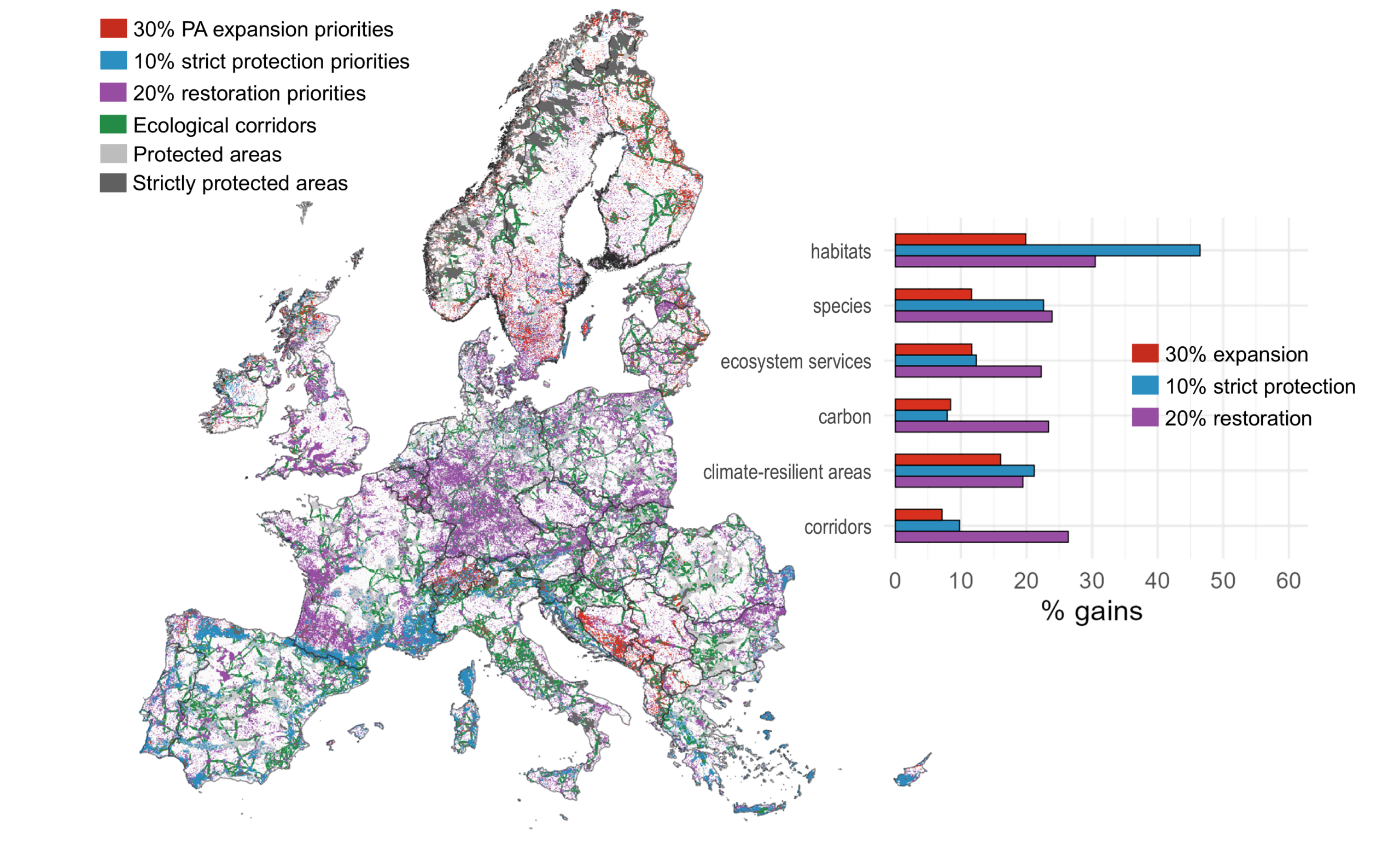
Image: Results from the NaturaConnect project (2022-2026): Blueprint for the TEN-N: European-wide consensus* priorities for conservation, strict protection and restoration. (Source: O’Conner et al. 2026).
*Consensus priority areas refers to areas that were consistently selected across scenarios and their performance across a range of ecological, structural and socio-economic indicators.
We therefore need to focus on restoring and maintaining key ecological corridors across Europe to ensure our Protected Areas are truly connected; and to secure both the current and the future core habitats of species.
By anchoring ecological corridors in spatial planning processes and prioritizing them for conservation and restoration efforts, Protected Areas can become more resilient and effective in addressing the double crises of biodiversity loss and climate change.
To amplify such efforts on a European and global scale, EUROPARC joined the Global Partnership on Ecological Connectivity (GPEC) earlier this year. GPEC was launched in 2024 in the framework of the Convention on the Conservation of Migratory Species of Wild Animals (CMS) together with several key international organisations as a multi-stakeholder platform for coordinated action. Together with GPEC, EUROPARC aims to enhance ecological connectivity and to strengthen the European and global network of Protected Areas. Specifically, EUROPARC is committed to:
- Advocate for embedding connectivity in EU and national policies, and to support transboundary coordination.
- Share best practices and facilitate knowledge exchange among the partnership on how to enhance connectivity in and beyond Protected Areas.
- Build partnerships to amplify impact across Europe and globally.
Connectivity is not just about linking landscapes and creating corridors; it’s about linking people, policies, and purpose. EUROPARC joining the GPEC and the fact that so many entities, within and beyond GPEC, are working toward the same goal, gives me hope. With our joint efforts across countries, we can increase connectivity and strengthen our Protected Area network step by step.
Marit Schnepf, Project Manager at EUROPARC for the NaturaConnect project
Do you have a best practice example of connectivity from your park or region that you would like to share? Reach out to us or submit a case study here.
Advancing Cross-Border Conservation in the Dutch-Belgian Borderlands
(c) Leo Reyrink
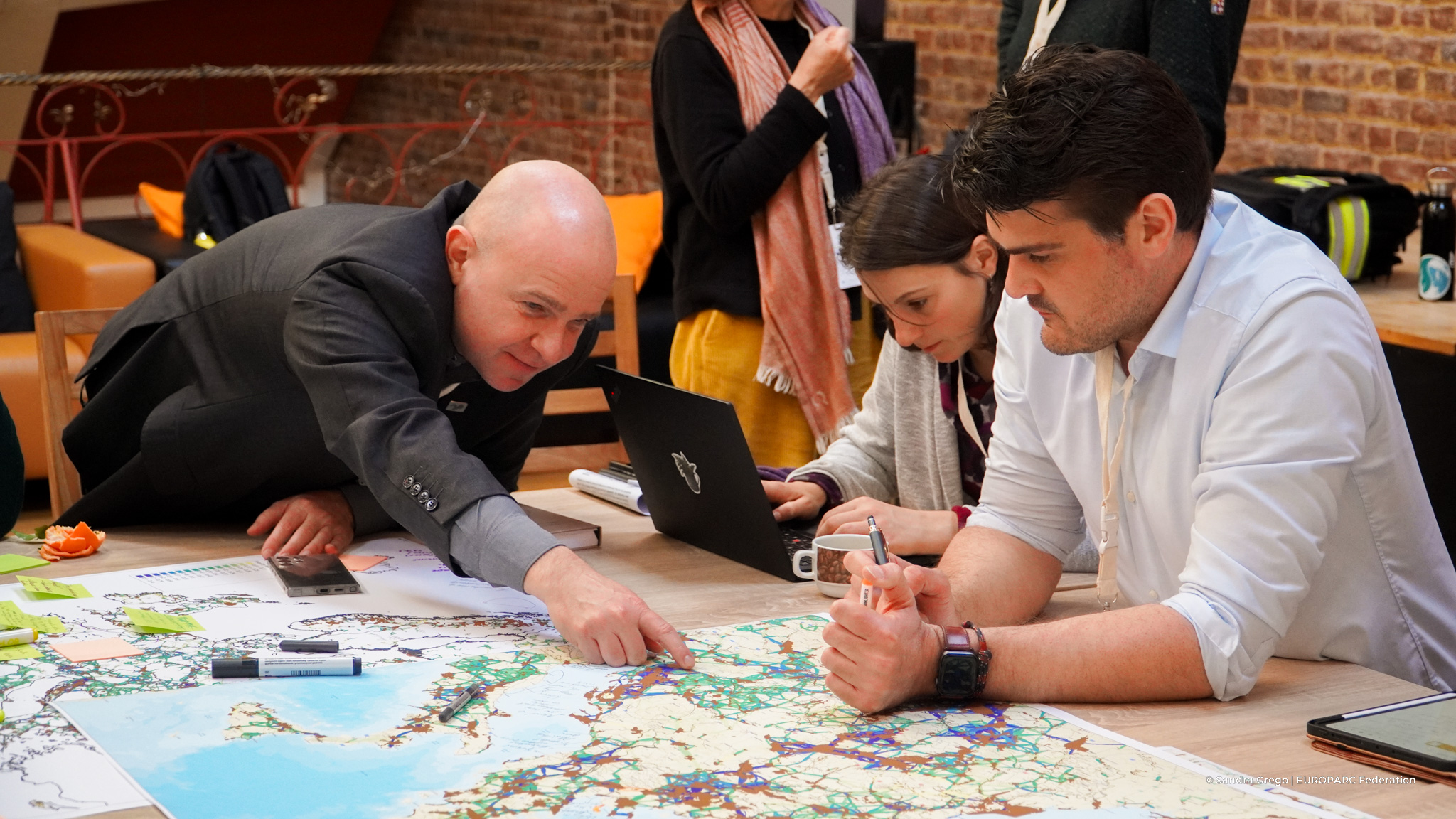
Following a verification visit conducted from August 9 to 11, 2026, verifier Leo Reyrink submitted the first evaluation report assessing the application of RivierPark Maasvallei and the Transboundary UNESCO Man & Biosphere Reserve KempenBroek for the EUROPARC accreditation “Transboundary Parks – Following Nature’s Design”.
Coordinated by the regional Belgian non-profit organisation Regionaal Landschap Kempen en Maasland (RLKM), this initiative connects Protected Areas across the Flemish and Dutch provinces of Limburg and North Brabant. The evaluation highlights decades of structured cooperation designed to restore habitats, manage shared landscapes, and strengthen cross-border regional identity.
Key Operational Highlights & Strengths
The evaluation report assesses the candidate areas across primary and secondary EUROPARC criteria, emphasising several core operational achievements:
1. Harmonised Vision and Governance Structures
- Both nature spaces operate under comprehensive masterplans: the RivierPark Maasvallei Masterplan and the KempenBroek Masterplan 2024–2047.
- Formal cross-border agreements guarantee operational targets and multi-year financing commitments involving state, provincial, and municipal partners across Belgium and the Netherlands.
- Dedicated governance bodies—including transboundary steering committees and specialised working groups—oversee areas such as nature management, sustainable tourism, environmental education, and flood protection.
2. On-the-Ground Ecological Restoration
- Significant wetland restoration projects in KempenBroek have reconnected fragmented habitats, resulting in ecological milestones such as the return of the European tree frog (Hyla arborea).
- Shared management in RivierPark Maasvallei utilises free-roaming cattle and horses to maintain natural riverbank dynamics along the river Meuse.
3. Community Engagement & Sustainable Tourism
- Active volunteer networks and regional ambassador programs (e.g., MaasVerkenners and KempenBroekVerkenners) lead regular educational tours.
- Dedicated visitor facilities—such as Visitor Centre De Wissen in Dilsen-Stokkem, the Kennis- en Information centre Elsloo, and NME De IJzeren Man in Weert—serve as primary educational hubs.
- Cross-border hiking networks, cycling routes, and electric river ferries provide sustainable recreational access across the river border.
Strategic Next Steps: STEC and Council Review
While the verification visit demonstrated strong alignment across primary criteria, secondary criteria, and field-of-work indicators, the formal certification decision remains pending.
The evaluation report and verifier proposals have now been officially submitted for formal review. The next steps in the certification workflow depend on the evaluation and final decision by the EUROPARC Steering and Evaluation Committee (STEC) and the EUROPARC Council.
Here is your chance to become a Certified Transboundary Area:
SoilSparks – Mobilising our Youth+ Community to create a new educational campaign
A short introduction and update of the SoilSparks Project run by Bantani Education and the EUROPARC Federation.
SoilSparks – Mobilising our Youth+ Community to create a new educational campaign
Why Soil, and why Citizens?
Soil represents the very foundation of life as we know it. Its rich diversity is mirrored in the various ecosystems it nurtures, ranging from lush primary forests to resilient Mediterranean coastal flora. Soil plays a crucial role in sustaining human existence by providing essential resources for agriculture, serving as grazing land, and enabling the growth of food and other vital materials. Yet, it rarely features in public environmental debate in the way that air or water quality do.
SoilSparks treats this gap as a citizenship issue rather than only a scientific one: if soil health is to improve, people need to understand, think and act in their own communities. Young people are best placed to create momentum for change.
Furthermore, soil is an intricate world in its own right, housing a complex web of inorganic and organic elements. It plays a critical yet frequently underestimated role in the natural cycle of life, facilitating decomposition and the recycling of nutrients that are essential for the health of our planet.
What is SoilSparks?
SoilSparks is about young people co-creating the SoilSparks initiative, to mobilise 1,000+ young Europeans to become SoilSparks Champions – taking real world action for soil. This project is empowering youth from across Europe to co-create a campaign and learning programme transforming soil science into engaging bite-sized challenges – leading young people into innovative digital micro-learning and real-world actions. Led by EUROPARC and involving its junior ranger and Youth+ network, alongside Bantani Education, specialists in entrepreneurial learning, SoilSparks will run for 18 months and is part of the Horizon Europe SOILSCAPE project to build bridges between soil science and society through artistic means.
What has been done so far?
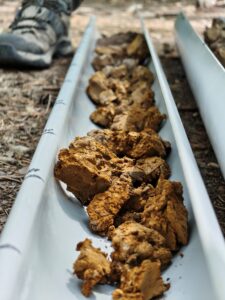
Photo credit: Alberto Madrassi
The first stage of the project has just completed, with young people active in the EUROPARC Federation’s youth networks actively consulted and included in the project. In March, 30 young people from 23 countries were invited to be upskilled on soil science through an online, self-paced summer school programme. This group included almost 30% neurodivergent youth, with ages spanning 18 – 30 years old, and with backgrounds from soil scientists to art students and everything in between.
The young people completed a series of 8 self-paced modules covering the EU Mission Soil and Co-creation processes accessed through a youth-friendly digital learning platform called Learncast. This tool allowed on-the-go learning and each module included audio bits, quizzes, writing tasks and sent the students out to do a hands-on activity. In addition, the students had an online space to introduce themselves, access resources and post their own learning journeys. They also come together once a week for an online session where guest experts were invited to share a snippet of their experience and spark discussion in the group.
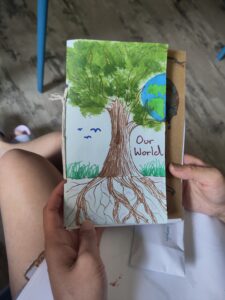
Photo credit: Anna-Sophie Kloppe
After a month of learning, 28 young people came together in Reims, France, for a 5-day co-creation camp. The aim of this camp was to continue to strengthen relationships already formed, learn about current conservation methods with a field trip to Montagne de Reims regional park, explore their creative expressions, and co-design challenges to be included in the final educational campaign. This was a resounding success with participants sharing the roles of learning and teaching, shaping the direction of the work rather than responding to a fixed brief. Young people worked hard to transport the project team into the minds of the current youth generations.
Photo AlbumHow does this translate expertise into public engagement?
The project deliberately routes scientific and institutional knowledge through young people rather than delivering it to the public directly. Soil scientists, EUROPARC staff and Bantani Education, supported by University of Hohenheim and EIT Food, provide the underlying expertise and validate content for accuracy, while the young participants translate this into messaging and challenges designed to work for their peers. This process is intended to keep the science sound while making the final content genuinely usable and valuable for a non-specialist audience.
What is in the planning for the next stages?
The second stage of the project is to design the final educational campaign. The young people are invited to continue working on the project by joining the Youth Panel, and the experts from the summer school and more are joining a Science Panel, assessing the educational components and ensuring it is easy to understand and the latest up-to-date knowledge.
The campaign will launch on World Soil Day on the 5th December 2026 and the young people will help with its promotion, as almost each of them is connected to a volunteer youth group active in a Protected Area or with interests in nature conservation, geology or art. An educational toolkit will be produced alongside the campaign and shared with teacher networks connected to EIT Food, a collaborating partner.
The final educational campaign will be designed for young people aged 16 – 30 years old, in line with EU GDPR and digital safety, and will not only increase awareness on soil and its context in Europe, but will also drive actions that inspire discussions leading to changes in behaviour. Added value comes from mapping the micro-challenges to GreenComp and EntreComp, and using these competences as evidence within SoilSparks digital credentials to recognise the actions taken by SoilSpark Champions.
What is the impact beyond the project?
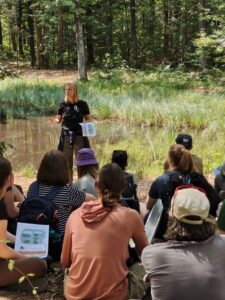
Photo credit: Alberto Madrassi
The project has clear goals in terms of inclusive co-creation as well as a list of outputs ranging from teacher toolkits, the educational campaign platform and a non-formal educator training for Protected Area staff and other youth educators. All education outputs will be fully mapped to GreenComp and EntreComp. More widely, there are also many intangible outcomes of the project.
The 30 young people participating in the design of the campaign have all undergone an intensive training on the topic of soil, as well as developed friendships across countries. Almost each of them is connected with a youth group actively volunteering in a Protected Area.
Going forward, they are going to share these experiences with their youth groups and strengthen ties between groups leading to a more empowered and connected international community. They will continue to inspire new young people to volunteer, actively engage and participate in such opportunities. However, these are also young people who are highly likely to enter green careers. Considering that the topic of soil conservation is often overlooked in the Protected Area sector, this project will be the spark of new discussions and upskilled young professionals entering this sector and pushing for increased efforts to safeguard this important system.
This project is part of the broader Horizon project SOILSCAPES and is funded by the European Union and the Swiss Confederation.

Binational Junior Ranger Olympics at the Wiese Landscape Park in Switzerland
Group Photo of the 10th Swiss Junior Ranger Olympics. Photo: Jocelyne Bernet.
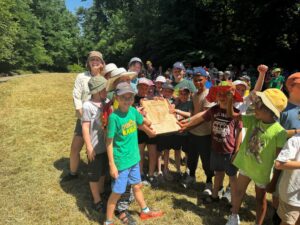
The winning Junior Rangers team from the Black Forest Biosphere Reserve with the challenge cup. Photo: Wiese Landscape Park Ranger Service.
In glorious weather on the 20th June, around 200 Junior Rangers from Germany and Switzerland put their knowledge and skills to the test at the 10th Swiss Junior Ranger Olympics in the Wiese Landscape Park. For the first time – and entirely in keeping with the spirit of the cross-border Wiese Landscape Park – the event was organised as a binational competition. The Junior Rangers from the Black Forest Biosphere Reserve secured a narrow victory
Once a year, the Swiss groups meet for the nationwide Junior Ranger Olympics to tackle various challenges in teams and complete tasks in the great outdoors. At this year’s tenth edition of the event, 18 groups were out and about in the Wiese Landscape Park, tracking animal trails, building drinking water filters, solving tricky tasks in the forest and decorating the landscape park with land art installations. A unique feature of this year’s event was the participation of Junior Ranger teams from Baden-Württemberg.
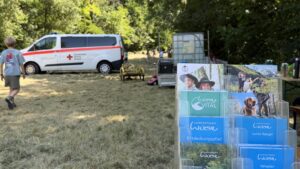
Essential: water supplies and the German Red Cross. Photo: Silvan Aemisegger
The entire ranger team at the Wiese Landscape Park was involved in preparing and running the event. Martha Koelbing, a ranger at the Wiese Landscape Park, says: “Due to the high temperatures, we had to move the locations of individual checkpoints into the woods or into the shade at short notice. With temperatures soaring to 33 degrees, we also had to ensure there was plenty of drinking water and ways to cool down. Otherwise, the event would not have been feasible. In addition, a team from the Weil am Rhein-Haltingen branch of the German Red Cross was on standby at the venue.”
Johann Thieme, a ranger at the Wiese Landscape Park and responsible for the Junior Ranger programme, is very pleased with how the day went: “What stood out in particular was the high level of motivation among the Junior Ranger teams. We also succeeded in integrating site-specific topics, such as drinking water production and the praying mantis, into the scavenger hunt, thereby giving the participating teams an insight into our day-to-day work in the Landscape Park.”
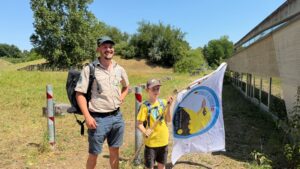
Johann Thieme, Head of the Junior Ranger Programme at Wiese Landscape Park. Photo: Silvan Aemisegger.
Through the ‘Junior Ranger Programme’, ranger services in Germany and Switzerland offer a nature-based environmental education programme for children aged between 7 and 15. This helps to inspire children and young people’s enthusiasm for nature and raises their awareness of its conservation and value. Junior Rangers meet ten to twelve times a year in fixed small groups on afternoons when school is out to explore nature in the protected areas, accompanied by a trained ranger. In doing so, they learn about the interconnections in nature and experience exciting adventures. They thus become ambassadors for landscapes, habitats and protected areas in their region.
The Landschaftspark Wiese Junior Ranger programme has been a member of the EUROPARC Junior Ranger network since 2022 and is run by the Swiss Ranger Service. For more information about the happenings of the Swiss Junior Rangers and Young Rangers, check out their website which hosts blogs and more!