Welcome Kellerwald-Edersee National Park: Protecting Germany’s Ancient Beech Forests
From UNESCO-listed ancient beech forests to thriving wildlife and inspiring environmental education, Kellerwald-Edersee National Park is a place where nature is given the space to shape itself. We are delighted to welcome the park as the newest member of the EUROPARC Federation.
About the National Park
Located in central Germany, the park protects one of Europe’s finest ancient beech forests. These forests form part of the UNESCO World Heritage site Ancient and Primeval Beech Forests of the Carpathians and Other Regions of Europe. Here, nature takes the lead. More than 90% of the park remains free from human intervention, allowing natural forest processes to continue.
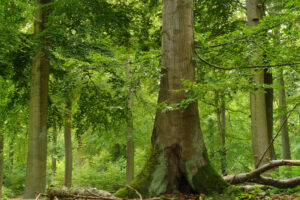
Arensberg – cognitio (Andreas Hoffmann)
Protecting Ancient Forests
Protecting these unique forests is the park’s highest priority. The team works to safeguard habitats while giving nature the space to recover. A successful approach: Populations of the European wildcat and the black stork are increasing because they now have larger undisturbed areas to live and breed.
The park has also recorded 36 primeval forest relict species. This is the highest number found in any German national park. These rare species show the outstanding ecological value of Kellerwald-Edersee.
In 2021, the park grew by almost 2,000 hectares. Local communities supported the expansion, showing their trust in the park and its benefits for the region.
Inspiring the Next Generation
Education plays a key role at Kellerwald-Edersee National Park. The park helps people of all ages discover and appreciate nature: A kindergarten programme reaches almost every preschool and daycare centre in the region. Older children can join the Junior Ranger programme, while teenagers and adults can volunteer for the park.
The park also partners with schools for children who are blind or have disabilities. These activities help make nature accessible to everyone.
Visitors can join guided walks, ranger programmes and hands-on activities. They can also explore three visitor centres that bring the park’s wildlife and forests to life.
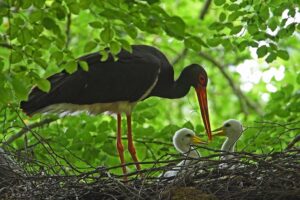
Black Stork – Manfred Delpho
Giving Nature Space While Welcoming Visitors
Like many other Protected Areas in Europe, Kellerwald-Edersee allows nature and people to connect and thrive together.
Circular walking trails begin at every main entrance. They lead visitors through beautiful forests and to stunning viewpoints. Several routes are accessible for wheelchair users, making the park easier to enjoy for everyone. Yet, the trail network avoids the most sensitive habitats. This design reduces disturbance and keeps large areas quiet for wildlife.
The park also works closely with the surrounding nature park. Together, they encourage responsible outdoor activities. For example, designated campsites outside the National Park help prevent illegal camping inside the Protected Areas.
Using Science to Improve Conservation
Data and monitoring ensure that the park’s management allows nature to thrive. Recent wildlife monitoring supported the expansion of wildlife sanctuary zones without increasing game damage outside the park. Staff of the National Park is also focussed on visitor monitoring. Better data on visitor movements will reduce disturbance to wildlife and help improve signs along the trails.
A warm welcome to the EUROPARC network!
Kellerwald-Edersee National Park shows how strong conservation, community support and scientific research can work together. Its ancient forests, rich wildlife and education programmes make it a valuable addition to the EUROPARC Federation.
We warmly welcome Kellerwald-Edersee National Park and look forward to working together to protect Europe’s natural heritage.
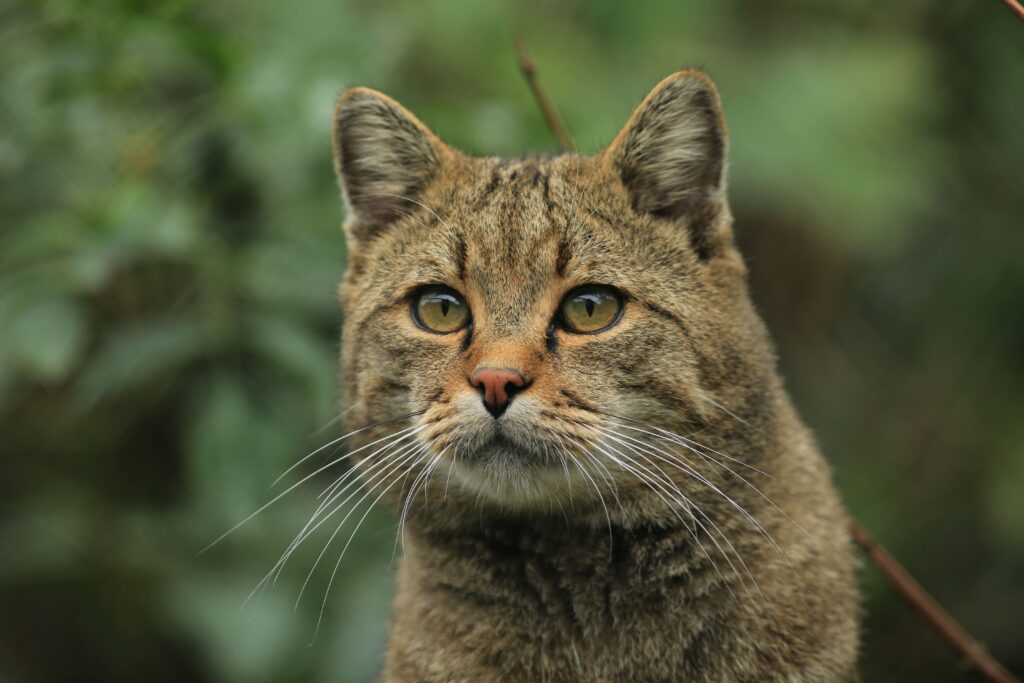
Wildcat – Katrin Krischke
Alfred Toepfer Medal 2026: Nominations are now open!
Every year, the EUROPARC Federation awards the prestigious Alfred Toepfer Medal. The Medal celebrates an individual who has made a significant contribution to nature protection in Europe. Nominations for the Alfred Toepfer Medal 2026 are now open!
Celebrating Dedication to Nature Protection
The Alfred Toepfer Medal is named after the founder of the EUROPARC Federation. The medal celebrates individuals that have dedicated their (working) life to nature conservation. It awards people who have made a contribution to nature conservation in Europe through an experienced body of work. This should be specifically related to Protected Areas and to sustainable development.
Who can nominate?
Only EUROPARC members can nominate a candidate for the Alfred Toepfer Medal.
Who can be awarded?
The Alfred Toepfer Medal can be considered a ‘lifetime achievement award’. It is given to individuals who have many years of dedication to nature protection under their belt. Nominations are excluded for:
- Active EUROPARC Council members (elected & co-opted);
- Section representatives in a running mandate;
- EUROPARC Directorate staff.
You can find all previous winners of the Award here.
How does it work?
You can nominate your candidate by filling out the nomination form here. The deadline to submit a nomination is the 31st of August 15:00 CEST. After the deadline, the EUROPARC Council will assess all nominations and, based on the information provided, decide on a winner. The winner will be announced during the General Assembly of the EUROPARC Federation on the 6th of October.
The Alfred Toepfer Medal is a great opportunity to put those that dedicate their time to nature conservation in the spotlight. Nominate your candidates now! The EUROPARC Council looks forward to receiving your nominations.
The Alfred Toepfer Medal is made possible thanks to the kind support of the Alfred Toepfer Stiftung.
Czechs Stand Firm on Nature: New Survey Reveals Support for Biodiversity
Protected Landscape Area Brdy - Běla Komancová, NCA CR
The Nature Conservation Agency of the Czech Republic conducted a comprehensive public survey on the perception of citizens on the natural world. The survey reveals support for biodiversity and nature conservation amongst the population, whilst also highlighting knowledge gaps.

This article was issued and written by Tomáš Růžička of the Nature Conservation Agency of the Czech Republic.
Czechs Stand Firm on Nature: New Survey Reveals Support for Biodiversity
The latest Eurobarometer poll underlines that virtually all Europeans consider that halting biodiversity loss is crucial. For 96% of respondents, it is a moral duty to look after the planet, while 95% recognise that our own health and well-being depend entirely on a thriving natural world.
How does this translate to actions on the ground?
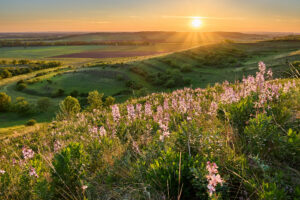
Dunajovice Hills Nature Reserve – Jan Miklín, NCA CR
A comprehensive public survey conducted in Czechia (June 2026) by the Nature Conservation Agency of the Czech Republic has taken a deep dive into how citizens truly perceive the natural world. Organised as part of the IP LIFE PROSPECTIVE project, 1535 people were surveyed and the findings reveal that Czechia’s citizens are deeply committed to safeguarding the country’s natural heritage. However, there remains a lack of general awareness of what biodiversity entails.
Green Ambition Meets Economic Reality
Data gathered from the survey showcases that citizens are ready to prioritise nature, though not without some careful pragmatism:
- Nature Foremost: Three-fifths of the Czech population view nature positively, and a remarkable 66% believe that nature conservation should take precedence over other public interests.
- The 30% Target: Two-thirds (66%) of Czechs support the ambitious Global and EU Biodiversity Strategies to protect 30% of the country’s territory. However, this comes under some conditions: While a passionate 24% would champion this expansion no matter the cost, a larger group (42%) underline that this increase of protected spaces cannot lead to economic disadvantages.
- A Space for Nature: Czechs see Protected Areas as vital havens for biodiversity and high-quality landscapes. Only 11% indicate that view them simply as spaces for recreation and weekend tourism.
Driven by Shared European Fears
These trends are fuelled by a greater awareness of the mounting pressures on the natural world. When it comes to the biggest dangers facing biodiversity, Czech citizens closely mirror wider European anxieties emerging in the Eurobarometer, pointing to four major culprits:
- Environmental pollution (the public’s leading concern)
- Deforestation
- Intensive agriculture and forestry
- The spread of invasive alien species
Due to a growing awareness of the impacts on nature and people of these threats, nature conservation is not considered a trend or luxury in Czechia, but as an essential foundation for the future. One that is well worth safeguarding, even when the economic trade-offs get tough.
Nature and Well-being
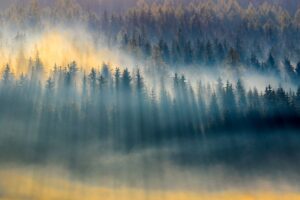
Protected Landscape Area Žďárské vrchy – Lubomír Dajč, NCA CR
Furthermore, the survey underlined the importance of nature for mental well-being. 89% of the respondents indicate that they turn to nature to cheer themselves up when stressed or out of sorts, proving that green spaces are the nation’s favourite therapeutic tonic. This is underlined by the high frequency in which the Czech population visits nature: the survey reveals that 15% of the population head out into the countryside every single day, while over half (54%) do so at least once a week. Protected Areas, such as National Parks and Protected Landscape Areas, are major drawing cards. Nearly four in five citizens (79%) visit these pristine spots at least once a year, with a dedicated quarter making the trip every single month. These findings highlight that the important of protected spaces goes far beyond conservation alone.
Protection vs. Access
It is clear that the Czech public enjoys being out in nature on a regular basis. An interesting finding from the survey is the level of support for protecting nature, even when that means limiting public access.
- Protected Areas: Almost nine in ten respondents (87%) support “no-access” zones where people are excluded to allow wildlife and ecosystems to develop without disturbance.
- The participation gap: Although 77% of respondents say they would be willing to take part in practical conservation activities, only around half have done so in the past year. The most common reasons were a lack of motivation and not knowing about opportunities to get involved locally.
Pollinators: more than honeybees
Most Czechs recognise that pollinators are under pressure and play an important role in nature. Many also understand their importance for food production. However, the survey also highlights gaps in public knowledge: around one in four respondents said they were unaware of how pollinators benefit people, while 16% could not name a single pollinator species.
Among those who could, honeybees were by far the most commonly mentioned, cited by 81% of respondents. Bumblebees followed at 51%, while only 25% mentioned butterflies. The findings suggest that public awareness is heavily focused on honeybees, with many other pollinating species receiving far less recognition.
What Happens Next?
The survey will be repeated in 2031 at the end of the LIFE PROSPECTIVE project, which focuses on biodiversity conservation in Czechia.
Comparing the results will help the Nature Conservation Agency of the Czech Republic assess how public attitudes have changed over time. It will also show whether outreach and communication efforts have improved awareness of biodiversity, increased understanding of pollinators, and encouraged more people to get involved in conservation activities.
Co-funded by the European Union. Views and opinions expressed are however those of the author only and do not necessarily reflect those of the European Union or CINEA. Neither the European Union nor the granting authority can be held responsible for them.
Want to submit an article to the EUROPARC website? We are always looking to promote best practice examples or interesting initiatives from the network:

Branding in Protected Areas: Inspiration from Germany’s Nationale Naturlandschaften for Czech National Parks
Meeting at the office of Nationale Naturlandschaften e.V. in Berlin. Picture by Marla Schulz
A delegation from the Czech National Parks travelled to Germany to learn more about the creation of a shared brand for Protected Areas. This article was written by: Radek Drahný, spokesperson and head of public relations at Krkonoše National Park Administration, Dobrovský and Mira Franzen, Project Officer in the Department of Protected Area Management & Nature Conservation and focal point for the German Section of the EUROPARC Federation at Nationale Naturlandschaften e.V.
Learning Across Borders: A Shared Voice for Protected Areas
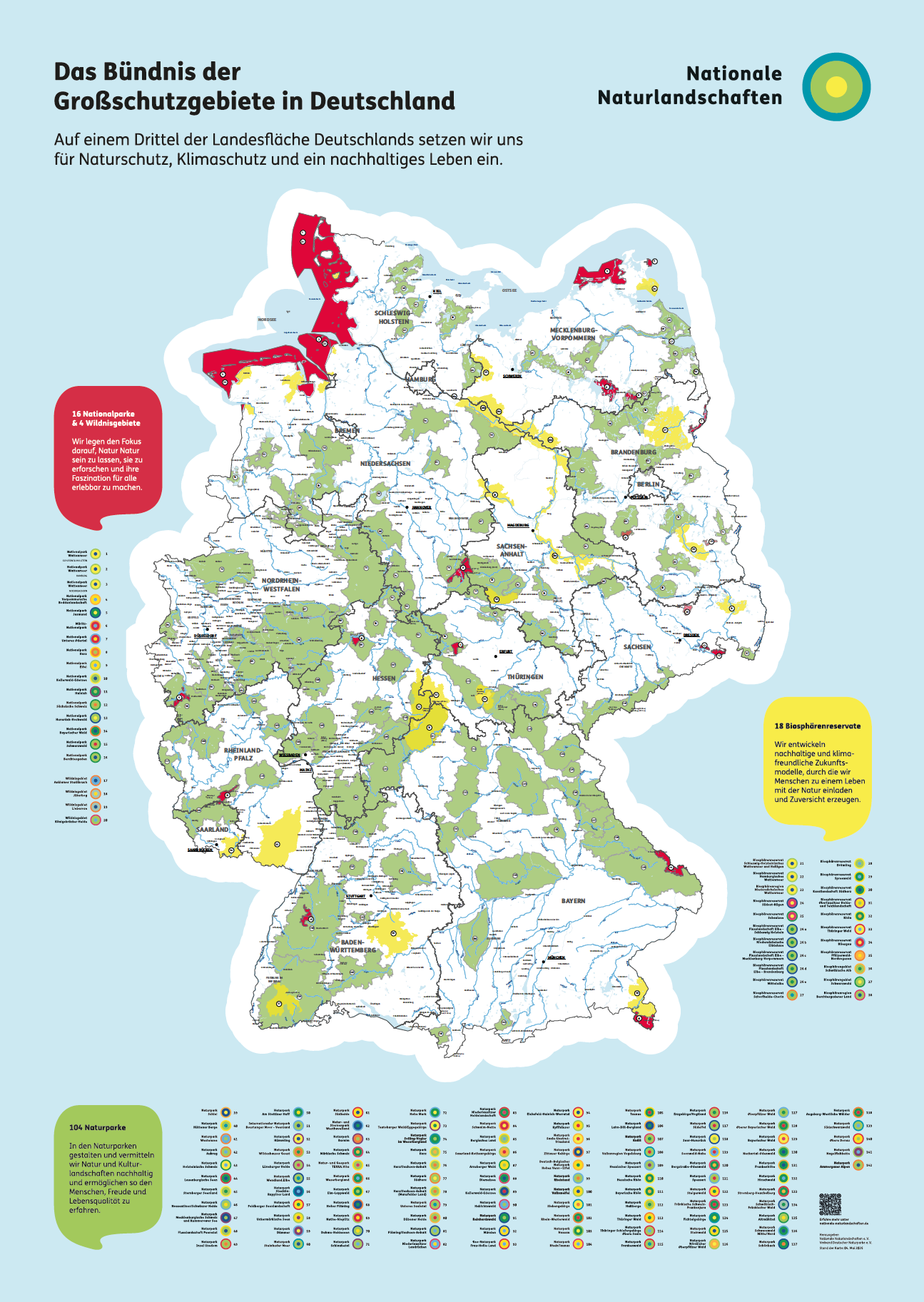
The ‘Nationale Naturlandschaften’ of Germany and their shared branding
In early May, a delegation from Czech National Parks travelled to Germany with a clear goal: to learn how Protected areas can communicate more effectively through a shared brand, consistent signage, and a common visual identity.
The study visit took the team to Saxon Switzerland National Park, Hainich National Park, and the Spreewald Biosphere Reserve. They also met with Nationale Naturlandschaften e.V. (formerly EUROPARC Germany) in Berlin—the umbrella organisation for Germany’s National Parks, Biosphere Reserves, and Wilderness Areas.
A shared identity without uniformity
One of the key questions of the visit was how different Protected Areas can be brought together under a common visual identity without losing their regional character.
The German experience shows that shared branding does not have to mean uniformity. Some areas complement the common visual identity with their own regional logos, reflecting local characteristics and traditions. At the same time, all areas use the shared logo with the concentric circles, making their affiliation with the wider family of Nationale Naturlandschaften immediately recognisable.
This balance between regional individuality and a strong common identity helps Protected Areas speak with a clearer and more recognisable voice — to visitors, regional partners and political decision-makers alike.
Telling the story of why nature matters
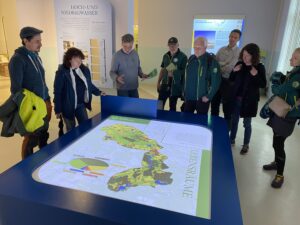
Getting to know the Spreewald Biosphere Reserve, Picture by Radek Drahný
Positive communication is central to the common branding of the Nationale Naturlandschaften. Therefore, the communication approach aims to convey what Protected Areas mean for society: landscapes, biodiversity, experiences, identity, and a sense of belonging. In this way, the brand becomes more than a visual tool — it helps communicate the value of Protected Areas to the public.
Partnerships that connect conservation and regions
Nature conservation works best when local people benefit. The Nationale Naturlandschaften closely cooperate with regional businesses, hotels, tour guides, and local producers. Once these businesses meet specific sustainability criteria, they become certified “Park Partners”. This boosts visibility for eco-friendly businesses and builds strong local support for the parks.
Lessons for a shared Czech identity
Czechia is currently holding a competition to create a unified visual identity for its National Parks as part of the project Responsible in Nature: Partnerships for National Parks, funded by the Swiss-Czech Cooperation Programme under project no CH-V1-17.
The German experience offers valuable inspiration for this transition. Radek Drahný, spokesperson for the Krkonoše National Park Administration, sums up the key takeaway:
A successful shared brand is about far more than graphic design. It requires shared values, a functioning network, and long-term coordination. It can only succeed if it is understood and supported by the people who manage these parks every day. At the same time, we must respect regional differences and build the system gradually through open dialogue.
This study visit highlights the core value of the EUROPARC network: by looking beyond borders to share knowledge, European Protected Areas build a stronger, more cohesive voice for nature.
Want to submit an article to the EUROPARC website? We are always looking to promote best practice examples or interesting initiatives from the network: