Welcome Kellerwald-Edersee National Park: Protecting Germany’s Ancient Beech Forests
From UNESCO-listed ancient beech forests to thriving wildlife and inspiring environmental education, Kellerwald-Edersee National Park is a place where nature is given the space to shape itself. We are delighted to welcome the park as the newest member of the EUROPARC Federation.
About the National Park
Located in central Germany, the park protects one of Europe’s finest ancient beech forests. These forests form part of the UNESCO World Heritage site Ancient and Primeval Beech Forests of the Carpathians and Other Regions of Europe. Here, nature takes the lead. More than 90% of the park remains free from human intervention, allowing natural forest processes to continue.
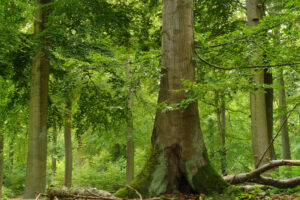
Arensberg – cognitio (Andreas Hoffmann)
Protecting Ancient Forests
Protecting these unique forests is the park’s highest priority. The team works to safeguard habitats while giving nature the space to recover. A successful approach: Populations of the European wildcat and the black stork are increasing because they now have larger undisturbed areas to live and breed.
The park has also recorded 36 primeval forest relict species. This is the highest number found in any German national park. These rare species show the outstanding ecological value of Kellerwald-Edersee.
In 2021, the park grew by almost 2,000 hectares. Local communities supported the expansion, showing their trust in the park and its benefits for the region.
Inspiring the Next Generation
Education plays a key role at Kellerwald-Edersee National Park. The park helps people of all ages discover and appreciate nature: A kindergarten programme reaches almost every preschool and daycare centre in the region. Older children can join the Junior Ranger programme, while teenagers and adults can volunteer for the park.
The park also partners with schools for children who are blind or have disabilities. These activities help make nature accessible to everyone.
Visitors can join guided walks, ranger programmes and hands-on activities. They can also explore three visitor centres that bring the park’s wildlife and forests to life.
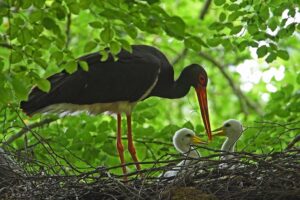
Black Stork – Manfred Delpho
Giving Nature Space While Welcoming Visitors
Like many other Protected Areas in Europe, Kellerwald-Edersee allows nature and people to connect and thrive together.
Circular walking trails begin at every main entrance. They lead visitors through beautiful forests and to stunning viewpoints. Several routes are accessible for wheelchair users, making the park easier to enjoy for everyone. Yet, the trail network avoids the most sensitive habitats. This design reduces disturbance and keeps large areas quiet for wildlife.
The park also works closely with the surrounding nature park. Together, they encourage responsible outdoor activities. For example, designated campsites outside the National Park help prevent illegal camping inside the Protected Areas.
Using Science to Improve Conservation
Data and monitoring ensure that the park’s management allows nature to thrive. Recent wildlife monitoring supported the expansion of wildlife sanctuary zones without increasing game damage outside the park. Staff of the National Park is also focussed on visitor monitoring. Better data on visitor movements will reduce disturbance to wildlife and help improve signs along the trails.
A warm welcome to the EUROPARC network!
Kellerwald-Edersee National Park shows how strong conservation, community support and scientific research can work together. Its ancient forests, rich wildlife and education programmes make it a valuable addition to the EUROPARC Federation.
We warmly welcome Kellerwald-Edersee National Park and look forward to working together to protect Europe’s natural heritage.
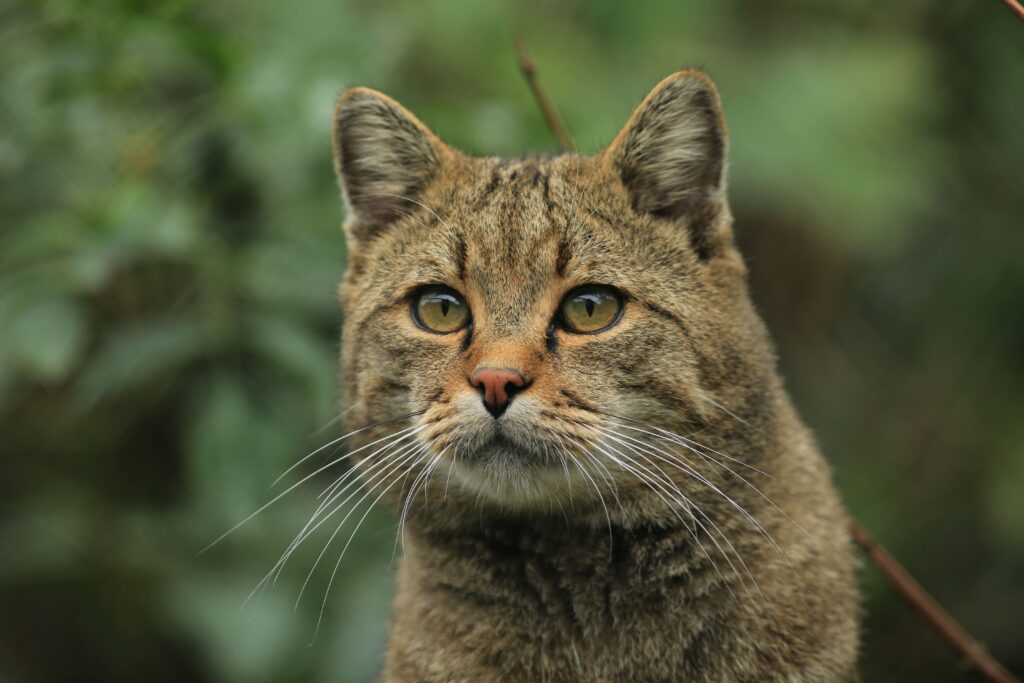
Wildcat – Katrin Krischke