Apply now to join the EUROPARC Youth Council
Applications are open for the EUROPARC Youth Council!
Applications Now Open for the EUROPARC Youth Council 2025–2027
The EUROPARC Federation is delighted to announce that applications are now open for the second cohort of the EUROPARC Youth Council. This is an exciting opportunity for young people who are passionate about nature, protected areas, and shaping the future of Europe’s largest network of protected areas.
The Youth Council was created in 2023 as a platform for young people to have a voice within EUROPARC, contribute to decision-making, and bring new perspectives to the Federation’s work. Over the past two years, the first cohort has worked alongside EUROPARC, joining events to promote the EUROPARC programmes, inspiring actions to increase youth participation, and conrtibuting to the Healthy Parks, Healthy People Europe commission.
Now, applications are open once more and we are looking for new motivated and enthusiastic young people to carry this mission forward.
What is the EUROPARC Youth Council?
The Youth Council is a group of young representatives (aged 18–30) from across Europe who:
- Work with the EUROPARC Federation to make it more youth-inclusive and youth-relevant by supporting the Youth Representative.
- Act as ambassadors for EUROPARC and its programmes by attending events and encouraging others to join the various initiatives.
- Create opportunities to connect young people across Europe who are passionate about protected areas, sustainability, and biodiversity.
- Support the work of EUROPARC Sections, Youth+ groups, and member organisations.
What’s involved?
The position is a two-year commitment (2025–2027). It will include monthly online meetings throughout the year, with ad-hoc opportunities to participate in EUROPARC events and represent the youth council. Being on the Youth Council is a chance to gain experience in international cooperation, advocacy, and nature conservation. Check out the activities of the 2023 – 2025 youth council to learn more!
EUROPARC Youth Council Role Description
Who can apply?
We are looking for enthusiastic young people who are:
- Between 18 and 28 years old at the time of application.
- Passionate about protected areas, biodiversity, and sustainability.
- Ready to commit to volunteering their time and energy to the work of the Youth Council.
- A resident in Europe and connected to a EUROPARC member
This includes all young members of staff working for Protected Areas or other EUROPARC member organisations like NGOs, or working as freelancers together with Protected Areas. It is also open to young volunteers, Junior Ranger alumni, outdoor guides and volunteers of youth initiatives in Protected Areas. It also includes young rangers or volunteer rangers!
Still uncertain? Send us an email with your questions or write to us on Instagram @europarc.youth
How to apply
Applications are open until 28th October 23:59 CET. To apply, please fill out the application form and send a letter of support from a EUROPARC member to youtheuroparc (at) gmail . com. If you have any questions, feel free to write to EUROPARC’s youth officer.
Basic template for a letter of support

Let’s build the future of Europe’s protected areas together. Apply to the EUROPARC Youth Council today!
SOCIAT Training Course is now open!
How can we gather evidence to demonstrate the multiple benefits that nature conservation provides for people?
SOCIAT Training Course is now open!
The EUROPARC Federation and the University of Warwick are proud to launch the SOCIAT Training Course, which enables professionals to assess social outcomes of nature protection and restoration projects.
The development of SOCIAT was led by Dr Nikoleta Jones (University of Warwick) in collaboration with the EUROPARC Federation. This, along with other innovative tools, was created as part of the FIDELIO project (Forecasting Social Impacts of Biodiversity Conservation Policies in Europe), which was funded by the European Research Council (ERC) under the European Union’s Horizon 2020 research and innovation programme. Learn more on the FIDELIO project website here.
SOCIAT – Social Impact Assessment Tool for Nature Protection and Restoration projects is a structured questionnaire providing evidence-based insights to:
- Capture community perspectives
- Strengthen governance and trust
- Align conservation goals with community wellbeing
The SOCIAT Training Course provides a step-by-step guidance on the application process, explanations of the indicators, and standards for analysing the collected social data.
To help ensure that community voices are part of conservation decisions, the course is tailored for NGOs and professionals in the civil sector involved in management and decision-making. This includes Protected Areas Practitioners such as guides, rangers, administrative officers and assistants, as well as technical specialists and managers.
The online self-paced course is organised into four modules, all lessons and quizzes are in English, and the completion time for the course is approximately 2.5 hours.
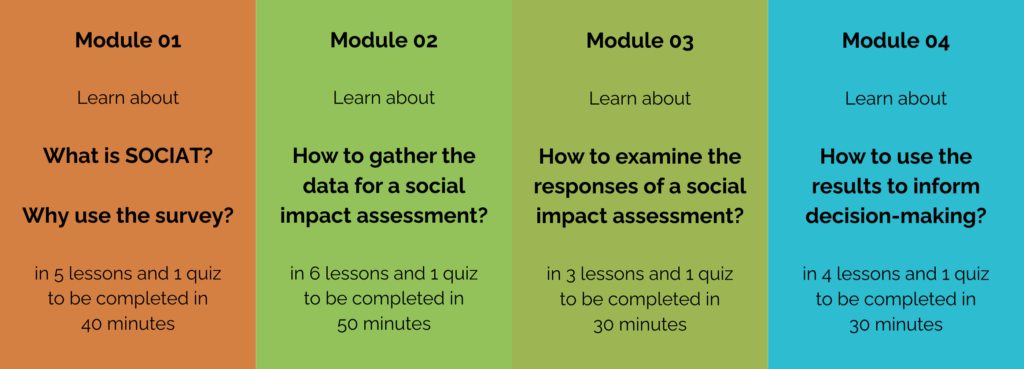
By prioritising community engagement and understanding, SOCIAT helps create sustainable conservation outcomes rooted in local support and collaboration, says Dr Nikoleta Jones.
Start this online self-paced course today and boost the impact of your work among your community!
Go to the European Nature Academy and explore the SOCIAT Training CourseIs LIFE over as we know it?
What is in store for biodiversity funding in the next EU Budget?
Is LIFE over as we know it?
The proposal for the next Multiannual Financial Framework (MFF) – also known as the EU Budget – was published by the European Commission in July 2025. The proposal outlines how the EU will spend its money over the years 2028‒2034.

The unexpected and unwelcome surprise in the proposal is the exclusion of the LIFE Programme. It is the EU’s flagship fund for financing biodiversity conservation and climate action as the main tool for implementing the Birds and Habitats Directives (aka Natura 2000), the EU Green Deal, the Nature Restoration Regulation and a supplementary tool for many other important themes. We would even go so far to say that almost all Protected Area professionals have heard of and likely benefited from a LIFE project.
While there is still money set aside for “climate and environment” in the budget proposal, it is without any clear guarantee that some of the money will be spent on nature and no set percentage which would bring stability across the years. As EUROPARC, we emphasise the need for clear language and SMART goals that mention nature conservation, restoration and protection.

Another important factor for Protected Areas is that the focus on business and agriculture means that any money going towards biodiversity conservation will most likely be funneled through those sectors, rather than directly in the hands of organisations such as our members, who have the expertise and an excellent track record.
Lastly, reducing the amount of EU funds dedicated to nature conservation does not mean a government’s commitment to supporting the EU budget is reduced, but rather that their pressure to fund nature conservation will increase as they are likely to have to make up for any deficits, especially in well-established structures such as National Parks.
For example, a large nature restoration project would be funded 50 – 60% by LIFE funds, 30% by the national government and the rest by other sources. Without a dedicated fund for nature, the EU funded portion would be harder to access and organisations would turn towards national governments to fill the gap. The promised solution of private investments bankrolling large scale nature conservation is still not yet widely applicable with few cases of success and should complement public funding rather than lead to diminishing public resources for nature.
If there is no dedicated programme for biodiversity and climate – if LIFE is truly over – we face the possibility that EU resources for nature conservation, restoration and protected areas are severely reduced in the coming years.
But this is just a proposal! If we do not want LIFE to be over, the time to act is now.
What can we do?
We can:
- Share our opinion on the MFF proposal by providing examples of how effective and important the LIFE Programme has been in our work. This can be done as either an individual citizen or as an organisation. Just go to the link below and share it with your colleagues.
- Talk to your country’s ministry that is responsible for environmental issues. Talk to your country’s finance ministry. Tell them how important the LIFE Programme is for your protected area. Tell them how important nature is for society and how important it is to fund its protection and restoration.
If you want to know more about the EU Budget, this is the place to go:
EU budget 2028-2034For more opinion pieces, consider reading articles by the EEB, EURACTIVE, and ClientEarth.
Share the news with your colleagues and let’s restore LIFE to life!
Northumberland Wildlife Trust Joins EUROPARC: Driving Landscape-Scale Change for Wildlife
Whitelee Moor. Image by Geoff Dobbins
Northumberland Wildlife Trust Joins EUROPARC: Driving Landscape-Scale Change for Wildlife
Northumberland Wildlife Trust has officially joined EUROPARC, strengthening its mission of driving landscape-scale change for wildlife in the North East of England. With its diverse habitats under increasing pressure, from red squirrel declines to threats affecting water voles and barn owls, the Trust is stepping up efforts to restore nature through collaboration, innovation, and community action.
Protecting Northumberland’s Rare Landscapes
The landscapes of Northumberland are some of the most unique and least inhabited in England. From border mires and Whin grasslands to coastal dunes, these habitats are home to rare and internationally significant species. Yet, climate change, intensive farming, development, and pollution continue to erode them.
To combat these threats, Northumberland Wildlife Trust leads over 30 conservation projects, including:
- Wilder Northumberland Network – a pioneering nature recovery network connecting land managers to increase connectivity for species movement.
- The Missing Lynx Project – exploring bold new ideas for restoring predators and balancing ecosystems.
- Red Squirrel Recovery Network – protecting one of the UK’s most iconic mammals.
- Wilding West Chevington – restoring land for natural processes to take the lead.
Through these initiatives, the Trust is creating more space for water, scrub, and trees while reducing human intervention to let nature thrive.
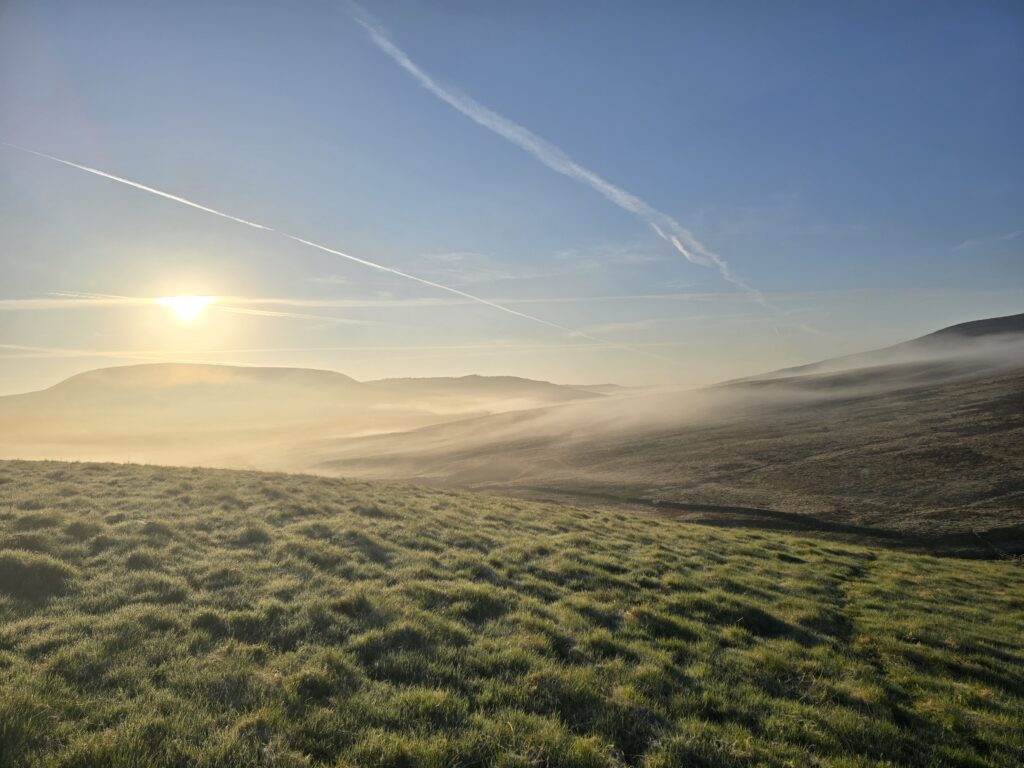
Whitelee Moor. Image by Geoff Dobbins
The Role of Partnerships in Scaling Change
Much of the Trust’s work takes place beyond its own reserves, relying on collaboration with other organisations, landowners, and communities. By joining EUROPARC, Northumberland Wildlife Trust gains access to a wider network of knowledge, ideas, and expertise.
“Partnerships are key to scaling up our efforts. EUROPARC gives us the opportunity to connect with like-minded organisations and take bold, collective action for wildlife at a European level.”
This collaborative approach is vital in accelerating nature recovery across Northumberland and beyond.
Balancing Biodiversity and Climate Resilience
Conservation today requires tackling the twin crises of biodiversity loss and climate change. While trade-offs exist, the Trust’s strategy focuses on scaling up tried-and-tested approaches alongside embracing bold new innovations.
The next decade is critical. By working at a landscape level, connecting habitats, and restoring natural processes, the Trust aims to deliver climate resilience while protecting endangered species. A wholesale review of its core strategy will set long-term priorities for achieving this balance.
Empowering Communities to Act for Nature
At the heart of the Trust’s mission lies people. With nearly 9,000 members and over 450 active volunteers, Northumberland Wildlife Trust harnesses community power to deliver conservation at scale.
From beach clean-ups and woodland management to school engagement and urban projects, local people are empowered to take action. The community organising approach builds pride in the region’s landscapes and mobilises residents to make a difference where they live.
By sharing experiences with the wider EUROPARC community, the Trust hopes to both learn from and inspire others in community-led conservation.
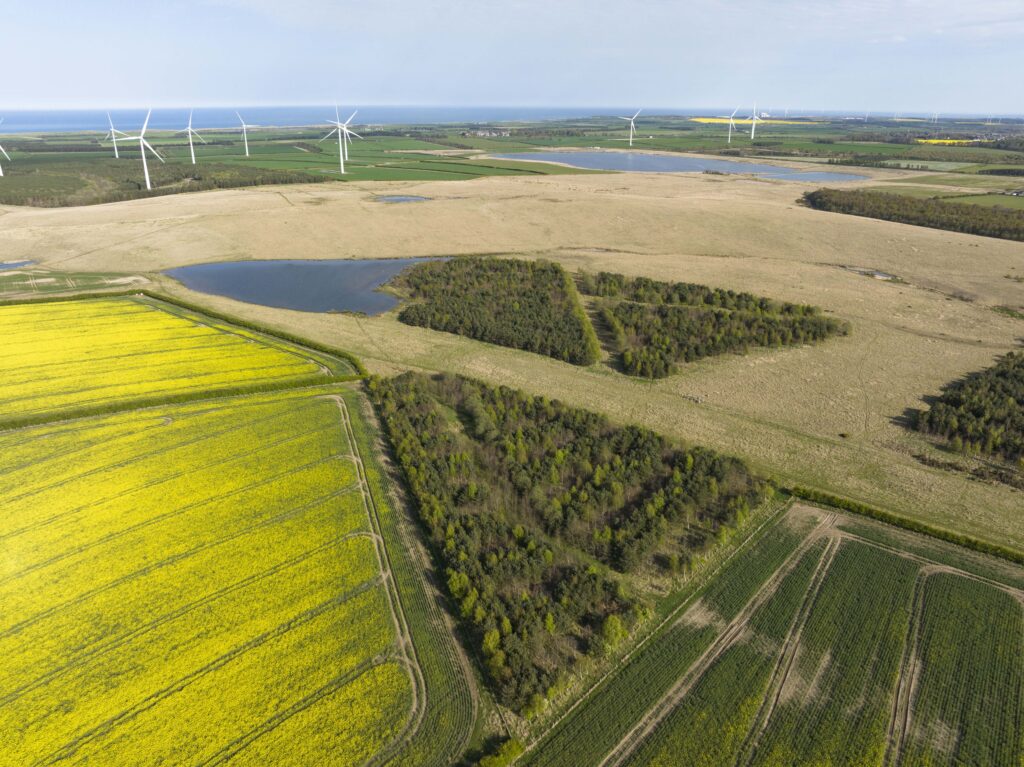
West-Chevington-49 – Jason Friend
Changing Culture Through Advocacy and Education
Beyond fieldwork, the Trust recognises the importance of shifting societal attitudes. Its mission is clear:
- Wilder Places – creating bigger, better, and more connected habitats.
- Wilder People – engaging more individuals in conservation and climate action.
- A Wilder Future – influencing decisions locally, regionally, and nationally to secure nature’s recovery.
Through education, advocacy, and policy influence, the Trust seeks to reach a tipping point where nature recovery becomes part of cultural identity. EUROPARC provides an invaluable platform for amplifying this vision across Europe.
Towards a Wilder Northumberland
By joining EUROPARC, Northumberland Wildlife Trust takes another significant step in driving landscape-scale change for wildlife. Its blend of bold projects, strong partnerships, and community empowerment offers a model of resilience and hope at a time when action for nature has never been more urgent.
Together, through collaboration and innovation, a wilder future for Northumberland—and Europe—is within reach.
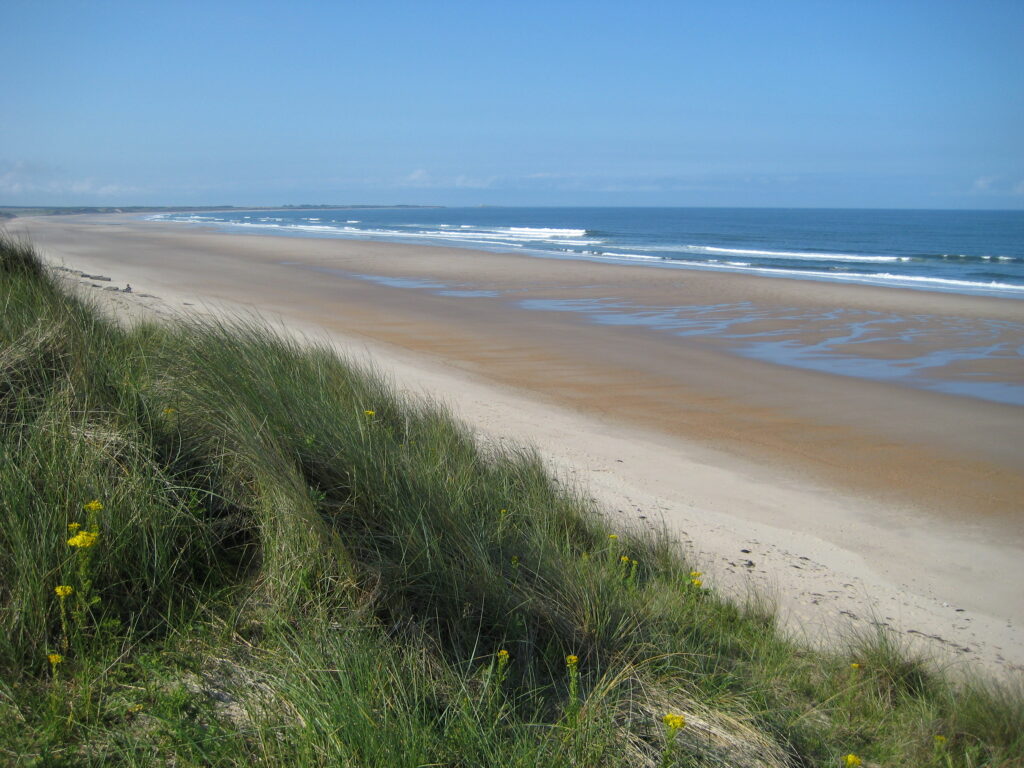
Druridge Bay. Image by Steve Scoffin