Protected Areas in Action—Inspiration in the Climate-Nature Nexus
Screenshot
Three case studies of Protected Areas engaging in various climate actions.
Protected Areas in Action—Inspiration in the Climate-Nature Nexus
The interconnectedness of climate and nature is well established: healthy ecosystems underpin climate resilience, and effective climate action secures biodiversity. Yet, translating this understanding into on-the-ground results within Protected Areas often faces practical obstacles—limited funding, competing land uses, policy gaps, and the need for cross-sector collaboration.
This article explores the latest case studies from the EUROPARC members and delves into successful solutions to common challenges.

Volunteers planting sphagnum by Claire Maxted, BMC
Case Study 1: The Climate Project: Sphagnum Planting for Peatland Restoration in the Peak District
The British Mountaineering Council and the Peak District National Park, delivered by Moors for the Future Partnership, have a volunteer programme to bring outdoor sport practitioners into the work of the national park and allowing all to be involved in delivering climate actions through nature restoration. Their lighthouse project won the first ever EUROPARC/ENOS Joint Award so read the full story in our knowledge hub!
Full Case Study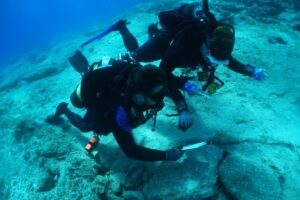
Implementation of Fish census protocol by Vasilis Resaikos, Cavo Greco MPA
Case Study 2: Climate-adaptation tools in N2000 site Cavo Greco MPA, Cyprus.
Cavo Greco MPA on Cyprus’s southeast coast covers 9.62 km² and has been part of Natura 2000 since 2008, becoming a marine protected area in 2018. Due to increasing environmental pressures such as growing tourism, rising human activity along the coast, and the vulnerability of its sensitive marine habitats to climate change, the MPA joined the Interreg-EuroMed MPA4Change project. They implemented a set of seven climate-adaptation toolkits to improve monitoring, management, and stakeholder engagement. Interested in their experience?
Full Case Study
Derek McLoughlin and Marina Xenophontos (European Commission) Natura 2000 award (Working together for Nature) by Michael McLaughlin
Case Study 3: LIFE IP Wild Atlantic Nature: Incentivising peatland restoration via results-based payments
The Wild Atlantic region of Ireland, implemented a Results Based Payment Scheme (RBPS) linking payments to an annual habitat score (0–10) based on ecological indicators. This incentivised maintaining or improving habitat quality and succesfully increased the momentum of landowners of Natura 2000 to restoring and maintaining biodiversity. It was enacted together with multiple partners and building public support such as school programmes, community seed funds, outreach actions which reinforced local buy-in and build capacity. Do you think you could do the same?
Full Case StudyToolkit: Climate Change Adaptation – Toolkit for Protected Area Managers
This toolkit has been produced to support the work of Protected Area managers in doing the necessary commitments and adjustments to minimize the impacts that Climate Change is having, and will continue having, in the natural spaces they safeguard. It can be used both as a first step, for those managers that did not consider yet Climate Change adaptation measures in their Parks, and for those that despite having started with adaptation measures they need to take further steps in order to have a more integrated approach.
ToolkitThese cases showcase successful efforts and actions taken across the EUROPARC network.
Do you also have an example to share? Send us your case study and join the diversity of voices inspiring and promoting good practices across the EUROPARC network!