We stand with the World’s Rangers – World Ranger Day 2019
Join the celebration of the World Ranger Day 2019, an action promoted by the International Ranger Federation and Thin Green Line foundation.
Stand with the Rangers!
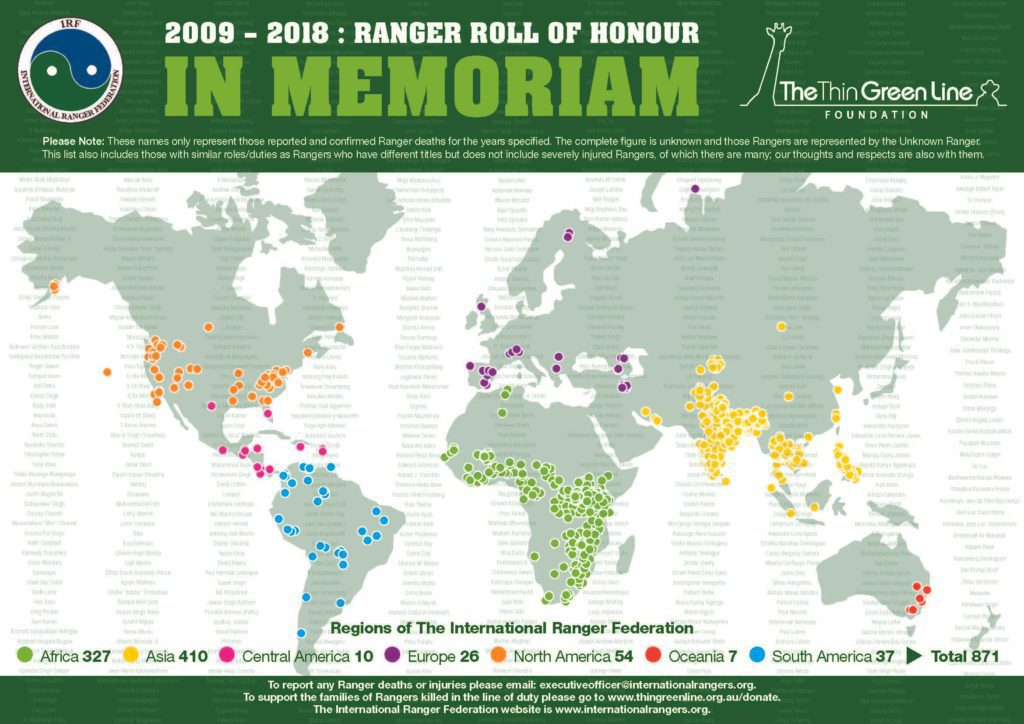
Rangers are the first line in Protected Areas devoted to safeguarding our Parks and the landscapes and wildlife they hold. This day is a celebration of their work as committed and brave guards of the natural heritage and to commemorate and honour the memory of those who unfortunately each year, due to the threats they face, are no longer with us.
Today is a day to be thankful for their bravery and courage and for remember the sacrifice of the Rangers that died on service.
We don’t forget you. We stand with you.
Join the event
Support this cause and help others to pause themselves for a moment and reflect!
- Host a local event: acknowledge the rangers work and make others learn about their great labour.
- Honour the Fallen Rangers: pause for a moment what you are doing, remember them and be thankful.
- Raise Funds: help Rangers around the world to get equipment and training and support the families of the fallen Rangers.
- Post on Social Media: Post pictures of yourself holding the World Ranger Day sign “I Stand with the Rangers” and show others what they are doing for everyone.
You can share your actions in the Facebook of the International Ranger Federation and The Thin Green Line Foundation.
And if you are a Park, there are many activities that you can organise such as small excursions, invite rangers from others Parks, talk with visitors and partners about the Ranger work, visit a School to engage young people with this work and award the Rangers that made a special contribution to Protected Areas.
We already did!
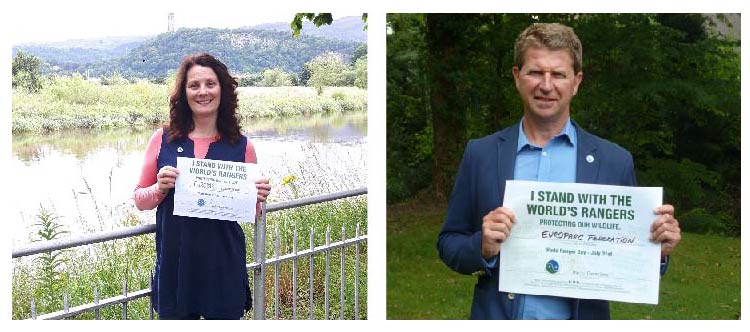
Left: Executive Director Carol Ritchie \ Right: EUROPARC President Ignace Schops
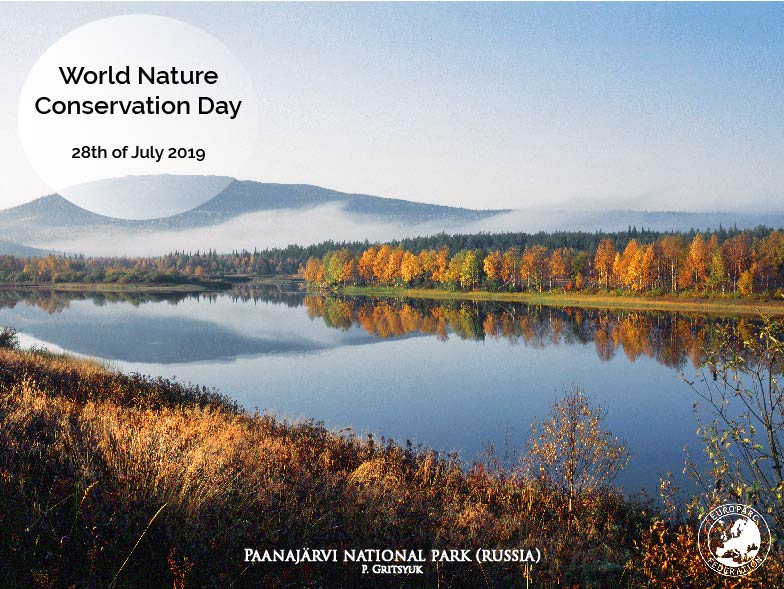
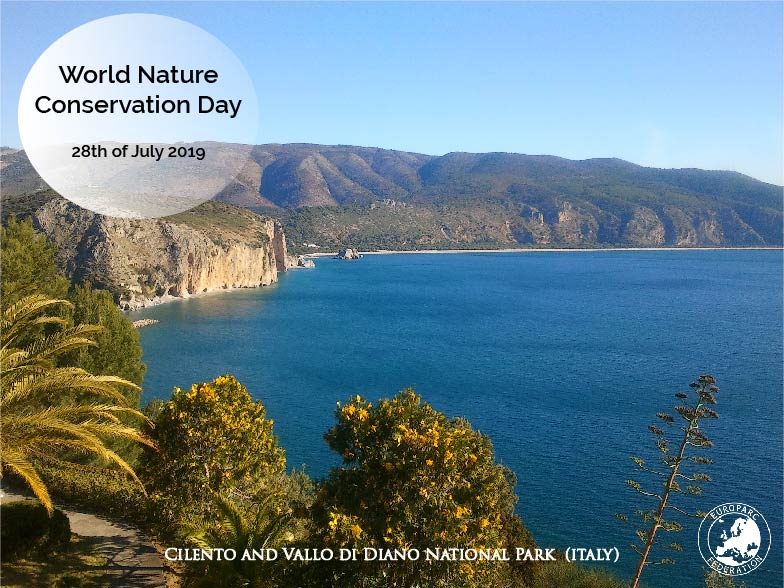
World Nature Conservation Day 2019 & the role of Protected Areas
Every 28th of July, the World Nature Conservation Day brings up to the forefront the topic that in recent years has (fortunately) grown importance on people’s mind, organisations, enterprises, and governments’ policies: Nature conservation. Are we doing enough?
Nature is everywhere…
As the main theme of the EUROPARC Conference 2019 “Nature on your mind: understanding our values” says, nature is present in all the aspects of human life, from the air that we breathe, the food and water to the sources of inspiration and spaces that hold us, nature is everywhere. Our urban life makes society believe that nature has something to do with pristine forests and unreachable places, that nature is always “out there”.
However, everything that we consume, use, see or perceive comes from nature itself, in fact, sometimes talking about the word “nature” is limiting, since everything comes from it and can not be separated. In some cultures, for instance, the word “Nature” doesn’t even exist, is not part of their vocabulary, since nature is inherent to everything. The world is Nature. We are Nature.
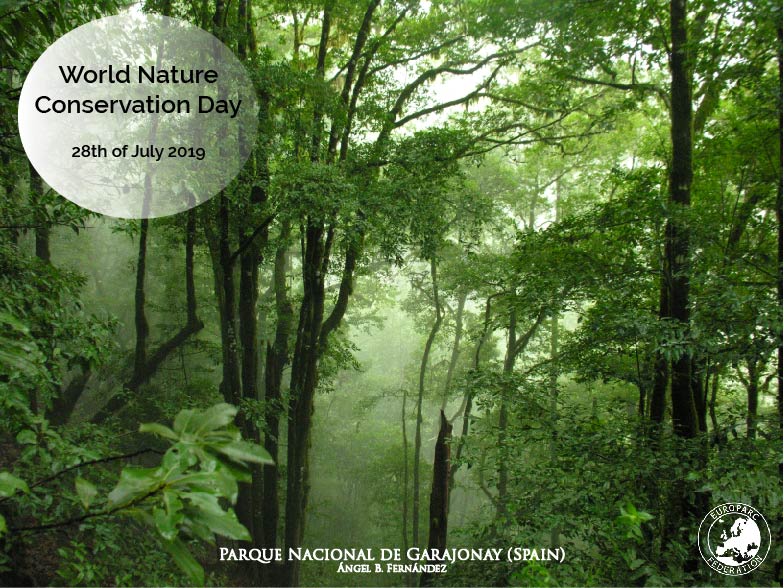
World Nature Conservation Day 2019
Protected Areas. Protecting ourselves.
Protected Areas were born from a public desire to preserve the most impressive assets of nature, the amazing landscapes, and the places where society could find a place to restore forces after a long work journey. In the World Nature Conservation Day 2019, it is important to acknowledge the multitude of benefits that well-conserved ecosystems bring us, apart from the recreational and aesthetic values;
- provisioning services such as firewood, food, fresh water, and raw materials;
- supporting services such as soil formation, habitat provision or pollination;
- regulating services such as climate regulation, purification of air and water, pest and disease control;
- cultural services such as spiritual and historical heritage and recreational experiences;
This is what we nowadays understand as ecosystem services, the life-supporting system of all living creatures, including humans.
Only if we understand ourselves as part of Nature, will we be able to succeed in conserving it.
By preserving both biodiversity and ecosystem services, Protected Areas are the guardians of our future. Not only should they be proclaimed, supported and grow in number and extension, Protected Areas also need tools to be effectively managed, integrated into the local community and coordinated to a common objective.
Since 1973, the EUROPARC Federation works to support and improve the work of Protected Areas in Europe. We believe that Protected Areas are better managed through international cooperation: nature knows no borders, so we must speak about nature conservation from above geopolitical boundaries.
Click on the image to know more about the work of the Federation
Developing management tools, providing training and capacity building opportunities, sharing best practice and challenges, in the EUROPARC network someone has the answer to your question, a solution to your problem, an idea you can use. We, at EUROPARC, connect nature conservation professionals to ensure our Protected Areas can reach out to their full potential.
Together, EUROPARC Federations and its 400 members from across Europe (and beyond!) work every day for nature conservation, ensuring healthy ecosystems and a viable future to us all.
“Mar das Illas”: empowering fishermen for a Sustainable Maritime Tourism in Galicia
What are the tools to develop a Sustainable approach to Maritime Tourism? The Galician Atlantic Islands National Park, located in the north-west coast of Spain, encompasses some of the most beautiful coastal areas of the Atlantic… which attracts thousands of visitors coming from sea and land. The National Park is a member of EUROPARC network of Sustainable Destinations, working with the Charter for Sustainable Tourism methodology since 2015.
However, tourism is not the only activity developed in the park. Traditional fishing and seafood harvesting, called “marisqueo” are important economic activities for the local population. And these activities do have an impact… In order to connect these activities in the region and make them sustainable, the project “Mar das Illas” was born.
A shared sea: towards a Sustainable Maritime Tourism approach
The main objective of the project “Mar das Illas“ running since 2017, is to promote touristic activities among the fishermen communities, mainly in the National Park but not exclusively. Thanks to specific training and assistance, the communities of fishermen and their families are trained as guides of the maritime heritage and of the values and insights of the National Park.
This means, it allows the diversification of the fishing sector and provides them with alternative income activities to the fishermen. The project emphasizes the work of the Park and put the focus on making each activity compatible with marine conservation. It opens an exciting path to a new model of management in marine areas, satisfying necessities without compromising the future, aligned with the UN’s Sustainable Development Goals.
Fishermen have realised their own value and role in the contribution to the conservation of our marine ecosystems.
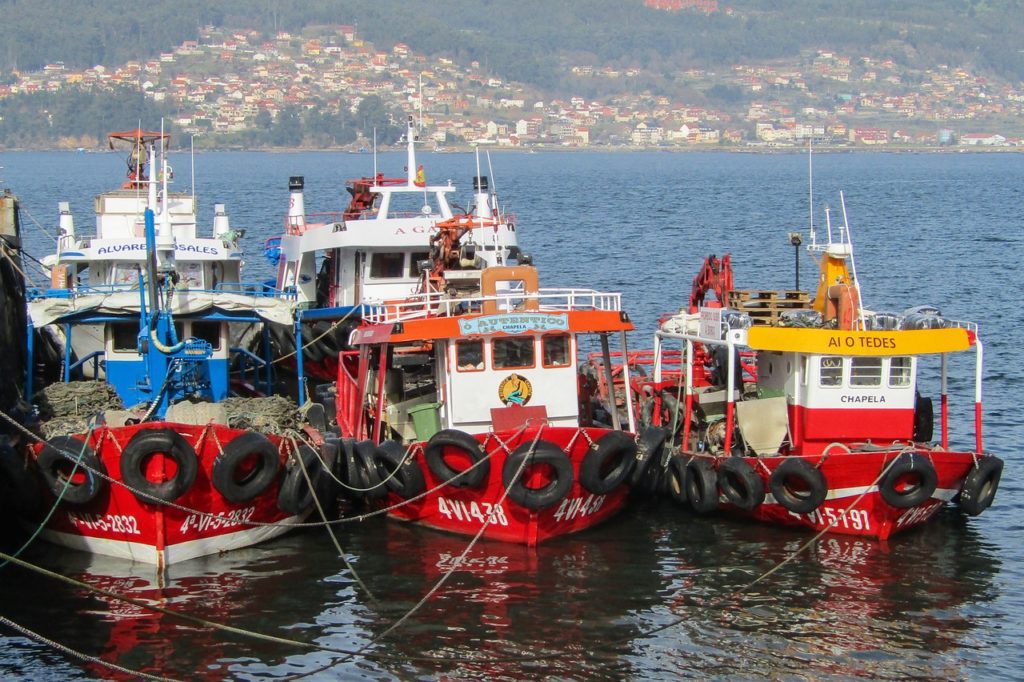
Fishing boats in Galicia – Photo: Pixabay
This project follows the guidelines of the “blue growth” EU strategy, that supports sustainable growth in the marine sectors as a whole, putting the sea as an engine of the European economy. In this case, the sector developed in coastal and maritime tourism in a way that guarantees the availability of resources for the future. This strategy has been also discussed by the Common Fisheries Policy (CFP) of the EU and the European Maritime and Fisheries Fund (EMFF).
The actions
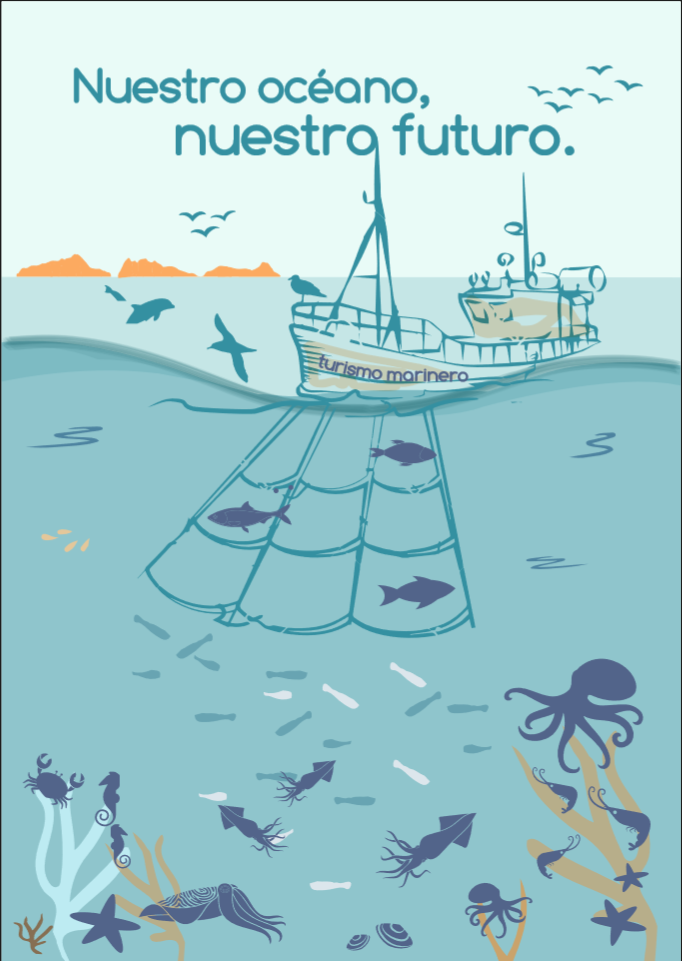
“Our ocean, our future” – Mar das Illas’ Manual
In the framework of sustainable tourism, the training provided the fishermen with tools to set up their own tourist activities and on how to make their activities environmental-friendly.
Furthermore, they have the opportunity to be trained as official guides of the National Park with a further course.
Some of the actions and good practices are already implemented in the PRUG (Management and Use Plan) and others are not compulsory, but extensively developed during the training sessions.
The activities offered by the fishermen include:
- guided tours to shellfish areas, fish markets and in the harbours in the National Park;
- showing the art of artisanal fishing and the traditional fishing gear;
- birdwatching on board;
- observing the beautiful spectacle of bioluminescent algae.
Manual of good practices.
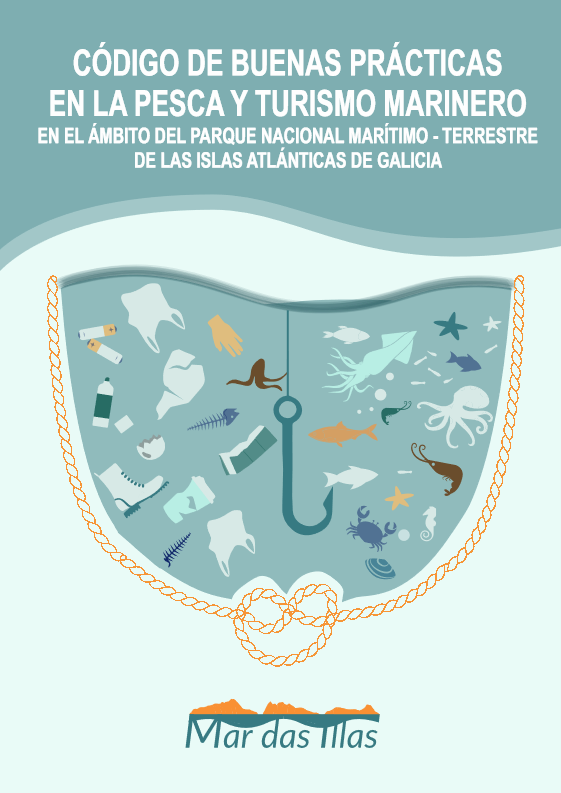
Manual – Mar das Illas
One of the outcomes of the project has been the creation of several manuals, one of them: “Manual of good practices in fishing and maritime tourism”, brings together several recommendations on how to reach sustainability in both sectors to ensure the future of them and the resources.
In the foreseeable future, this will result in an improvement in the effectiveness and yield of the enterprises.
The manual is not regulatory but serves as a complement to the already implemented regulation. Therefore, the cooperation between the different stakeholders is fundamental for its application.
Download it now (only available in Spanish): Good Practices Manual: Fishing and maritime tourism
Bats conservation & the management of Gypsum habitats: a case study from Italy
Myotis blithii - Photo: Francesco Grazioli
Bats conservation & the management of Gypsum habitats
Due to the influence of the Mediterranean climate and the Apennine forest, Protected Areas & Natura 2000 Sites in the Emilia-Romagna region, Italy, enclose great biodiversity. They hold numerous habitats were rare species find refuge. Bats, for instance, are one of the key species there, thanks to the peculiarity of this territory: the presence of caves, due to the karst soil. This is how the Emilia-Romagna region is working to protect these fragile habitats and the species that depend on them.
Chalky habitats, treasures from the Romagna
To protect these particular habitats and the biodiversity they hold, between 2010 and 2016 was launched the LIFE project: “GYPSUM: protection and management of the habitats linked to the chalky formations of the Emilia-Romagna region“. (LIFE+ 08 NAT/IT/000369). The project aims at preserving the environments connected to the presence of gypsum rock and, in particular, the rocky cliffs. It puts its focus on two important and endangered inhabitants:
- Their typical pioneer vegetation, such as rupicolous calcareous plants or basophilic grasslands (habitat 6110 * – Rupicolous calcareous or basophilic grasslands of the Alysso-Sedion albi of the 92/43/EEC directive)
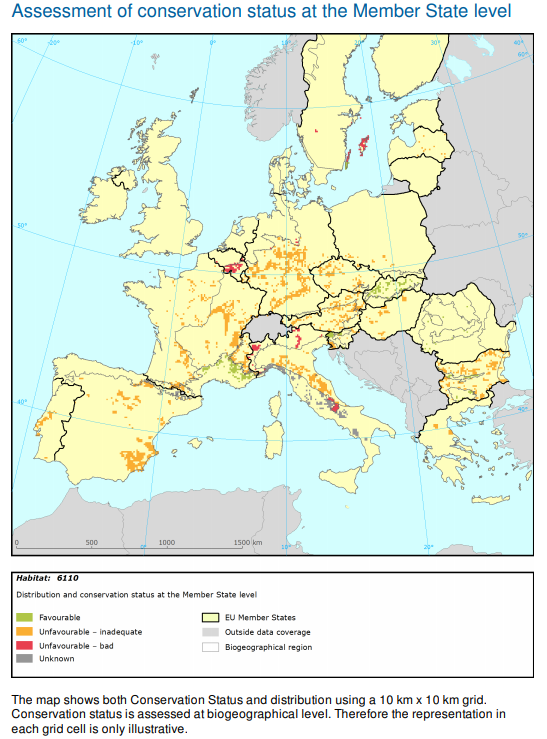
(6110 )Report under the Article 17 of the Habitats Directive Period 2007-2012 – Photo: European Environment Agency
- The underground karst environments, populated mainly by bats (habitat 8310 Caves of the 92/43/EEC directive).
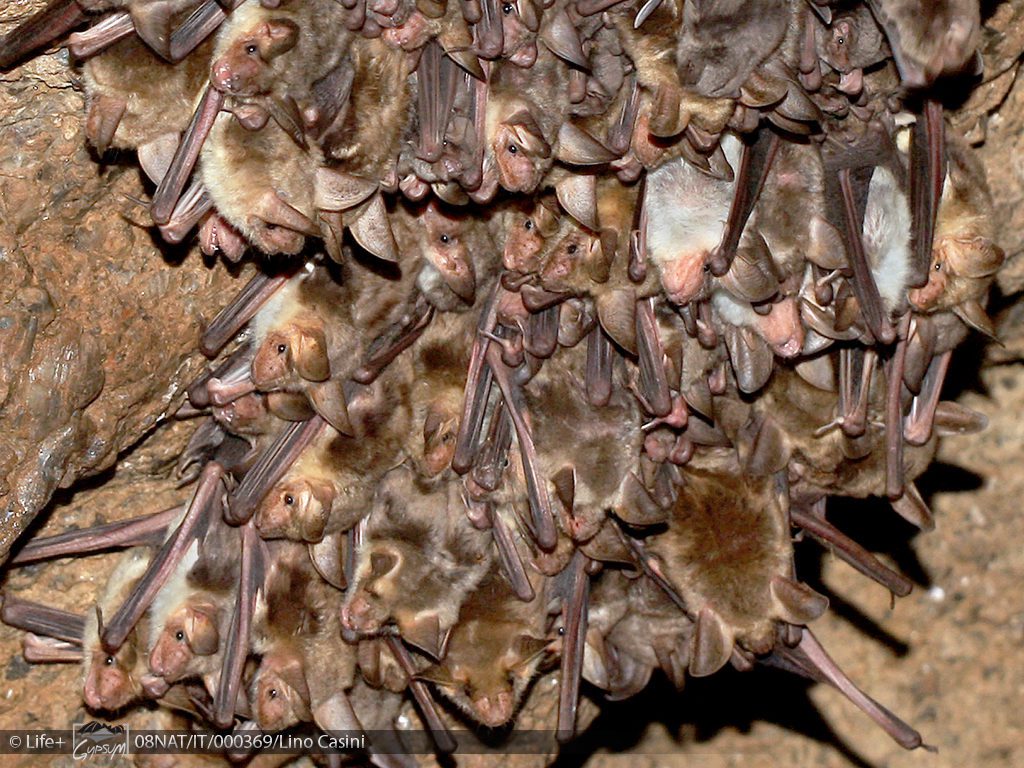
Riserva Naturale Onferno 2009 – Photo: Lino Casini
Previous situation: Problems
- The vegetation of rocks was damaged both by the shade caused by exotic conifers and by the passage of cars along a carriage crossing the mountain. It was necessary open space for sunlight on the steepest cliffs, especially those facing south.
- The bat population in caves was decreasing because of the disturbance caused by speleological activities and of the difficulty in accessing the cavities due to natural or human debris. The abandoned quarry tunnels, then, were little used by bats because of the unfavorable climate due to the wide entrances. It was necessary to stabilize the microclimate of the tunnels reducing the artificial entrances and expanding the natural sinkholes and to prevent further damages reducing the human presence in caves used by bats.
Actions
Bats conservation & the management of Gypsum habitats
1. Removal and cutting exotic conifers from the cliffs.
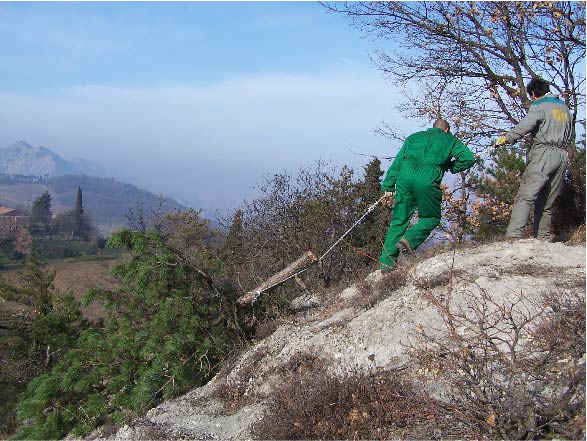
Photo: Andrea Noferini
2. Agreements with the Municipalities for the official closure of the road. Placement of gypsum boulders to prevent parking and creating two new parking lots.
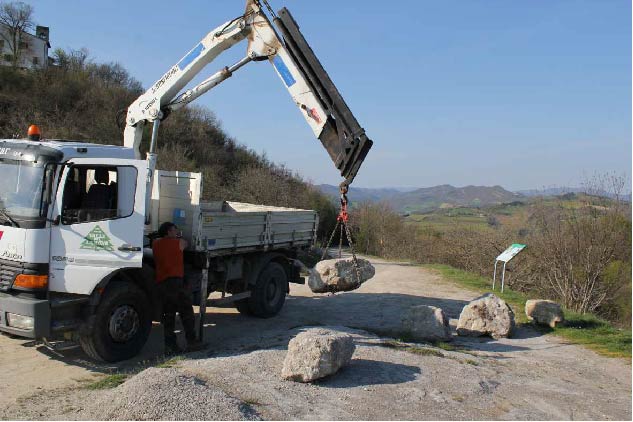
Photo: Andrea Noferini
3. Agreements with the speleological associations to concrete strict regulation of accesses to the caves and set gates at some entrances.
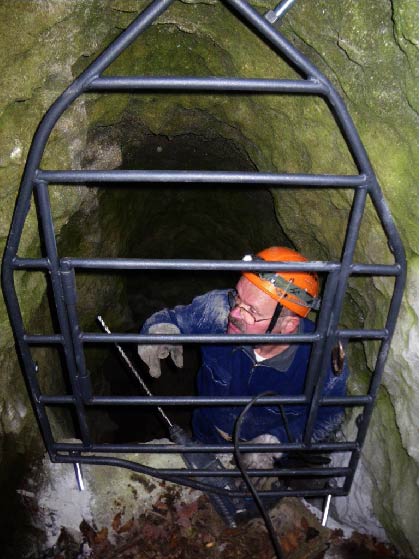
Photo: Andrea Noferini
4. Removal of tons of old human debris and waste in sinkhole entrances
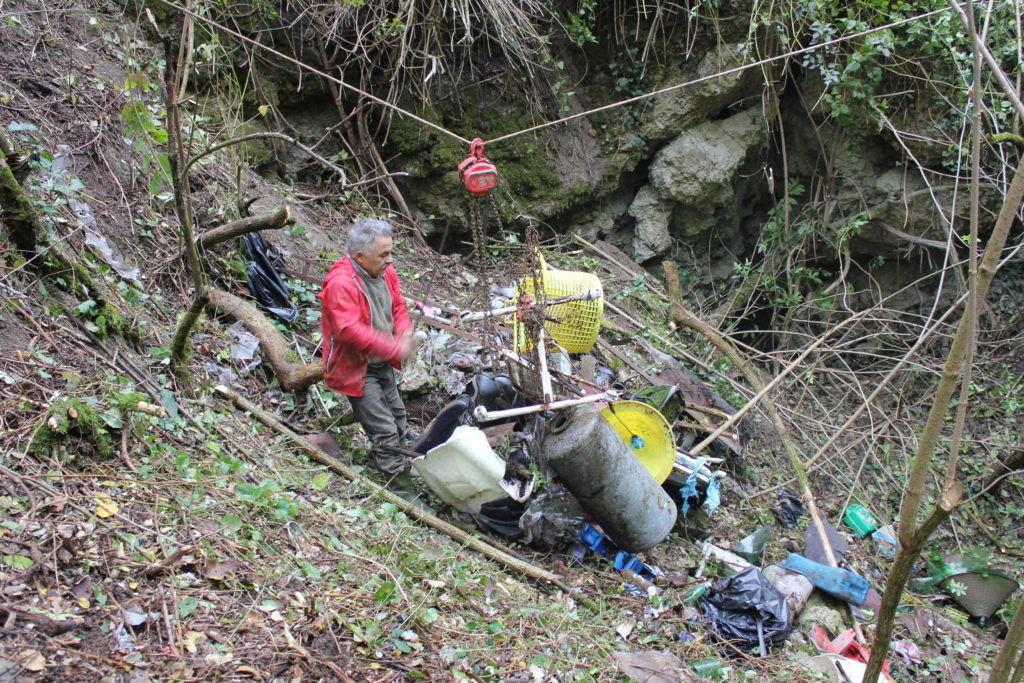
Photo: Piero Lucci
- Placement of excavation debris of a quarry by the tunnel entrances of former quarries reducing the tunnels entrances.
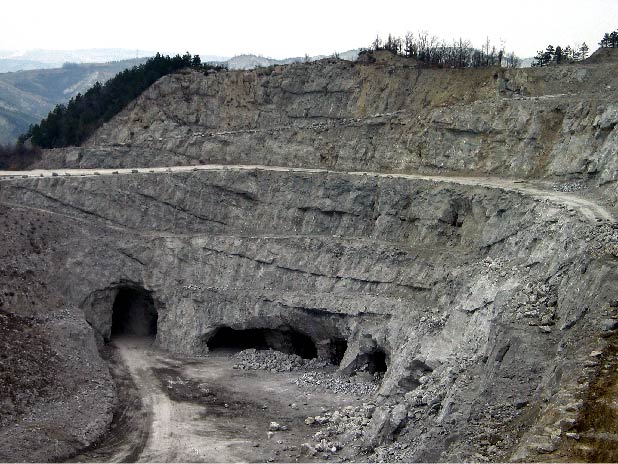
Photo: Piero Lucci
Challenges
Protected Areas are frequently spaces where different types of users develop their own activities or even live in. Therefore, involving the community and local stakeholders is normally one of the main challenges of any conservation project – but a key action to ensure its success.
Some of the biggest challenges during the project was precisely raising awareness on the many action. Cutting trees, for instance, is always a difficult measure to be accepted in a protected area. Besides, the project managers had to convince local residents about the road closure, start a collaboration project with speleologists, involving them directly in the project, in the cleansing of sinkholes and for the positioning of the gates.
Diverse stakeholders require different approaches, but as Massimiliano Costa from the Agency of Parks and Biodiversity of Emilia-Romagna says:
It is important to use creativity to solve problems…
Recommendations
This implementation of the project and the improvement in the habitats wouldn’t be possible without the involvement of the community, raising awareness about the problems that the territory is facing is fundamental to find a common objective, reconnect them with nature and minimize possible conflicts. Furthermore, great knowledge of the area and the environment are key to undertake good and effective actions.
Imagination and having an open mind is a great help: in the past, the miners did not know where to put the excavation debris and had never thought of using them to reduce the section of the old tunnels.
You can read the full case study in the knowledge Hub.