Rohkunborri National Park Joins the Network
Asgeir-Blixgard
We are delighted to welcome Rohkunborri National Park as our newest member. Located in northern Norway, between the cities of Narvik and Tromsø, it brings one of the region’s wildest and most varied landscapes to our community.
A landscape of extremes
Ida S Bjerka
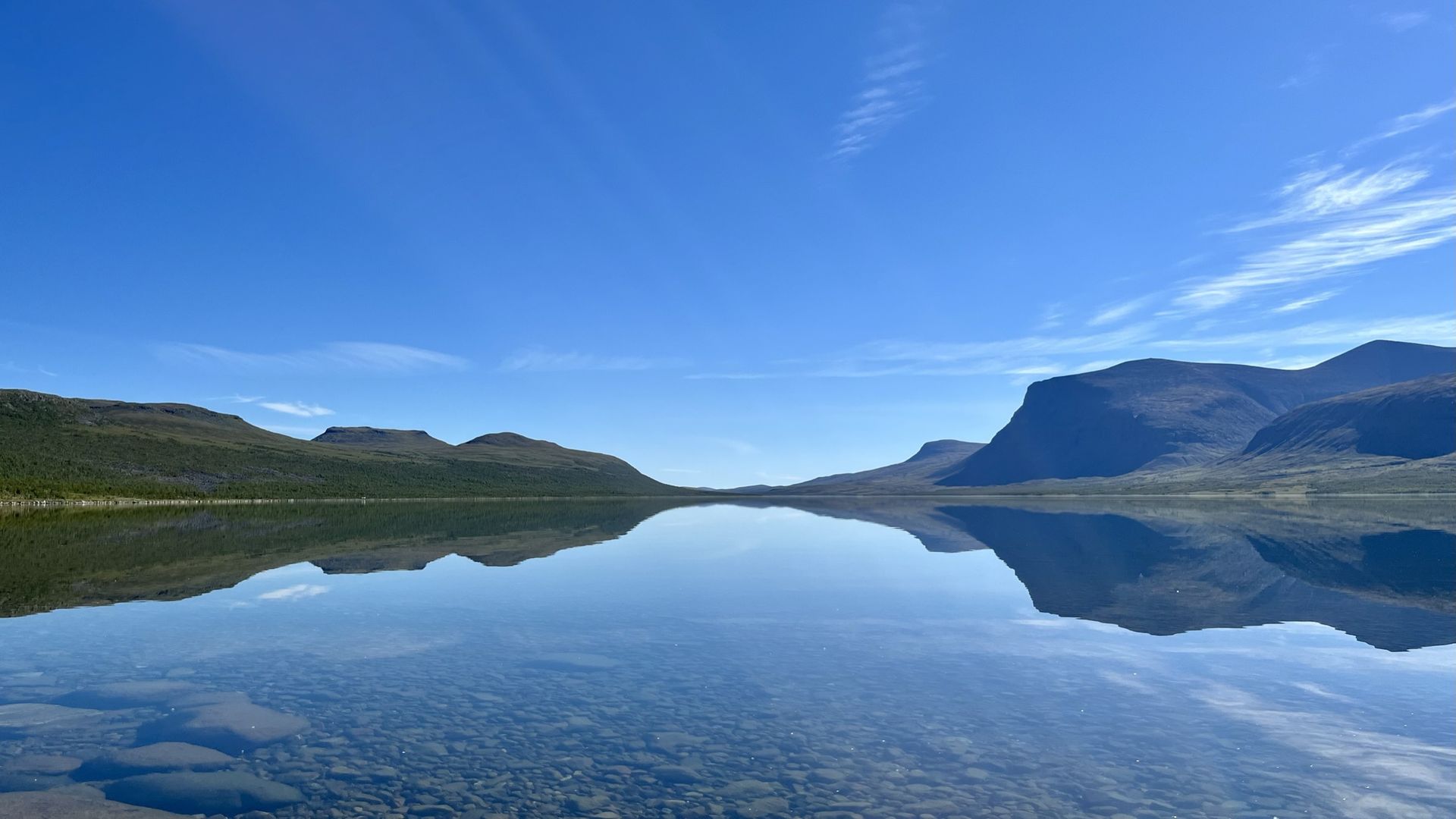
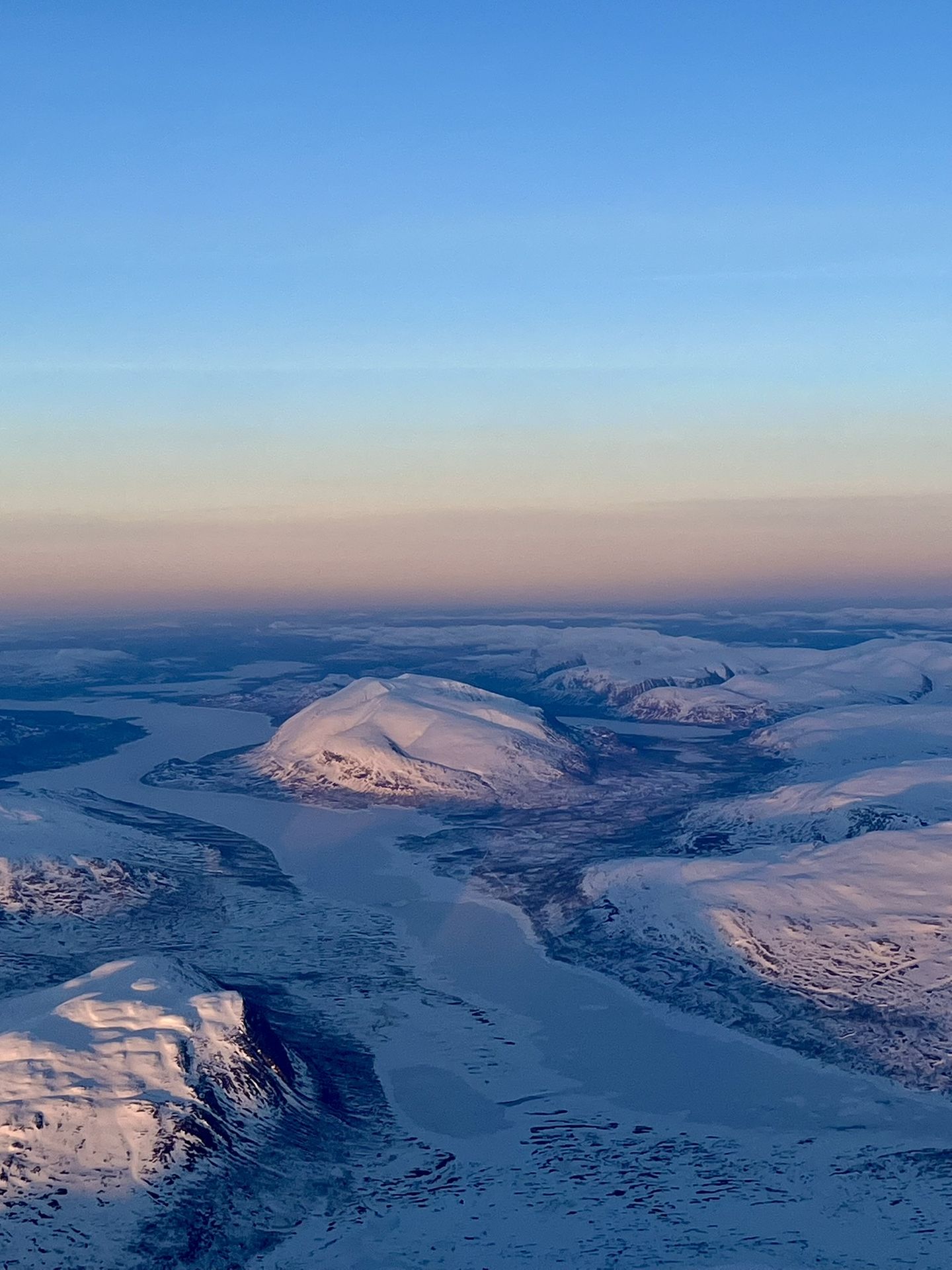
Rohkunborri covers a remarkable range of habitats. Snow- capped mountains and glaciers give way to a spectacular canyon, while vast wetlands and ancient forests provide sanctuary for plants and animals. Today, the park protects one of the wildest areas in the region, safeguarding natural habitats that have changed little over the centuries.
Rohkunborri is a habitat for wolverine, lynx and bear. In addition, golden eagle, rough-legged buzzard, gyrfalcon and kestrel nest there.
A living cultural landscape
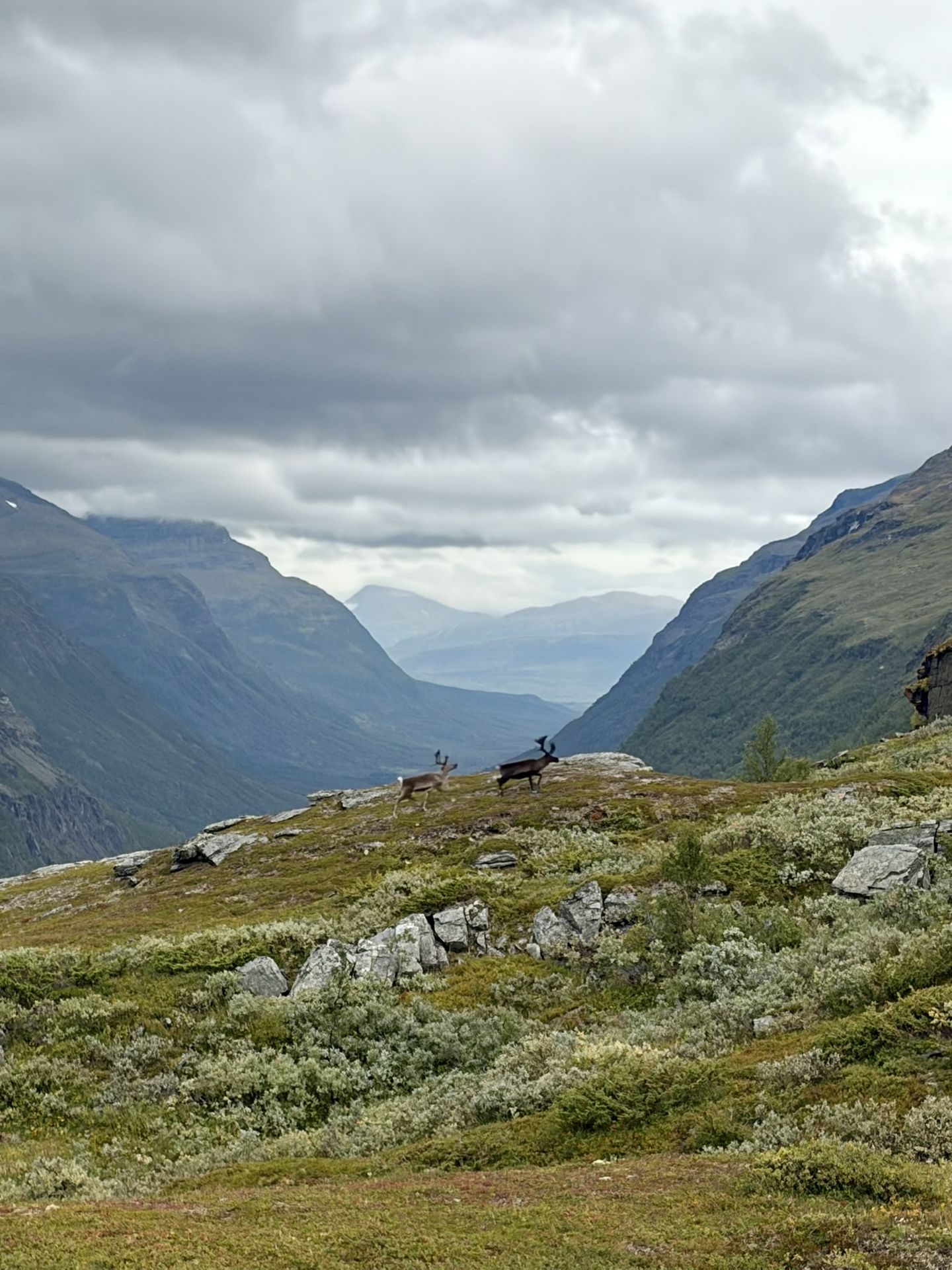
People have left their mark here since the Stone Age, and reindeer have long been part of the landscape, shaping it over generations. Today, both Norwegian and Swedish Sámi herders continue to graze their reindeer within the park.
The Sámi connection with this area is deep and enduring, and it is reflected in how the park is run. Both Norwegian and Swedish Sámi reindeer interests are represented on the governing board, placing them at the heart of decision-making. The board and the park administration work closely with Sámi interests on all relevant matters, recognising that open and constructive dialogue is essential to supporting Sámi use of the area, protecting cultural heritage and safeguarding natural values.
Ida S Bjerka
Meeting the challenges of a changing climate
Tor Erling
As a northern Protected Area, Rohkunborri is already feeling the effects of climate change, particularly through increased precipitation and more frequent flood events. The park is responding by building new infrastructure and upgrading existing facilities, both inside and outside its boundaries, to a robust standard. The aim is to reduce future maintenance needs and costs while keeping the park accessible and resilient.
Looking ahead
Rohkunborri joins us with a clear appetite for collaboration. The park team is keen to learn from colleagues across Europe, particularly on climate adaptation and visitor management, and to share its own experience of Sámi co-governance and robust infrastructure in a challenging northern climate.
Welcome to EUROPARC! We look forward to the knowledge, perspective and partnership this collaboration will bring to our Network!