Empowering Youth Participation in the Bern Convention
Written by the EUROPARC Youth Council members, Hayley Quarrington and Eudald Vicens i Roig
Empowering Youth Participation in the Bern Convention: Nature protection and biodiversity as enablers of rights, participation and well-being
25 young environmentalists and advocacy leaders gathered in Strasburg, France, on 20-15 September 2026 for a study session to explore the Bern Convention and options for youth contribution within local, regional and national settings. Discussions covered systems approach and connection to the rights of young people, including those from rural and marginalised background.
A study session for young people, developed by young people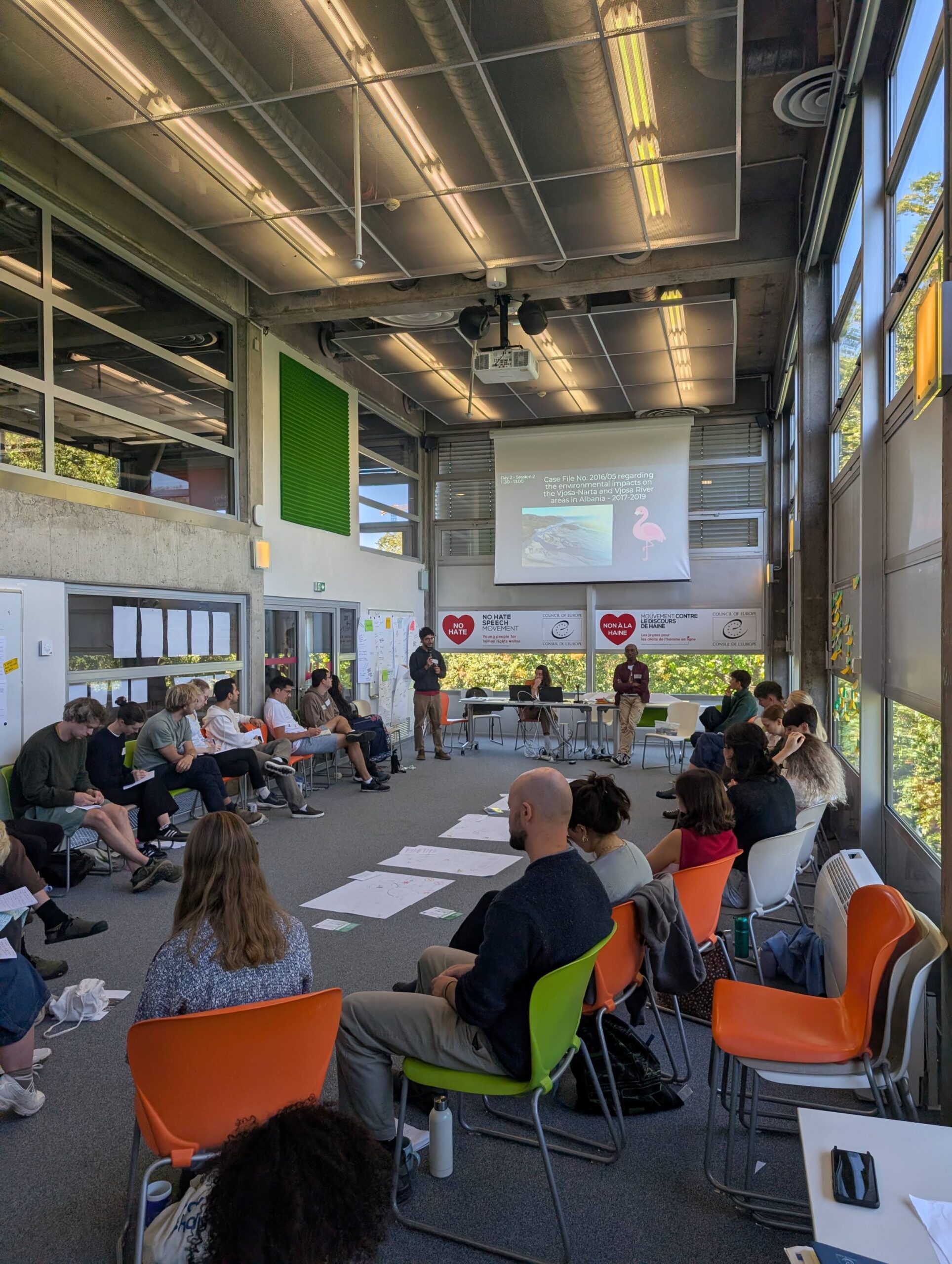
Members of the EUROPARC Youth Council, Eudald and Hayley, worked alongside youth led organisations European Young Rewilders (EYR) and Youth Environment Europe (YEE) to plan, develop and deliver a week long session of the importance of youth involvement in the Bern Convention and wider advocacy in the environmental sector. This was in co-operation with the Youth Department of the Council of Europe (COE) and their study session scheme, all created by and for young people. The session took place at the youth COE youth hostel in Strasbourg, close to the federal government offices where Standing Committee meetings for the Bern Convention are held. 25 young people attended the study session, all of whom were members of the three organisations and working within the environmental sector. 12 signatory countries were represented, from Ireland to Azerbaijan, with around 40% identifying as coming from/living in a rural area.
Aim and objectives
The study session was designed with the aim of training young environmental defenders on how to utilise democracy, human rights and the rule of law to achieve their advocacy goals. Its objectives were:
- Raise awareness among young people about the Bern Convention as a key Council of Europe treaty for nature conservation, and its relevance to youth participation, rights, and democracy.
- Equip participants with knowledge and skills to engage in environmental governance processes, including policy-making, advocacy, and democratic dialogue on biodiversity issues.
- Foster inclusive youth participation in the Bern Convention/ wildlife conservation management and decision-making, with a specific focus on engaging young people from rural areas, minority backgrounds, and other underrepresented or vulnerable groups.
- Encourage youth-led action by supporting participants to design local follow-up initiatives that connect the Bern Convention with community-based biodiversity protection and democratic engagement, guided by the zine.
- Create a platform for intercultural learning and cooperation, enabling participants from different countries to share experiences and build a network of young environmental advocates across Europe.
Giving young people a voice in environmental decision-making
Young people are among those most affected by climate change and biodiversity loss, yet they are often underrepresented in the decisions that will shape their future. From nature restoration and habitat protection to wildlife management, environmental decisions made today will have long-lasting consequences for generations to come.
The Bern Convention is a legally binding international agreement that aims to protect Europe’s wild plants, animals and natural habitats. Despite its importance, it remains relatively under-recognised and underused as a tool for youth advocacy. We explored how understanding the Convention, its legislation and its decision-making processes can help young people challenge decisions, hold governments accountable and advocate for stronger environmental protection.
Main themes of the study session
The study session included a variety of workshops, exploring the governance of protected areas and a look into the case-file system with Marta Medlinska, Programme Manager for the Secretariat of the Bern Convention, and the role of young people in decision-making, youth commitments and engagement mechanisms under the Bern Convention, and to the existing gaps in youth participation with Emilie Tamo, Advisory Council on Youth of the Council of Europe. We also simulated a Standing Committee meeting based on the 2017 case of the Vjosa River in Albania, taking on the roles of Parties and Observers, experiencing first-hand the complexity of international environmental negotiations.
The week also included sessions on advocacy tools such as campaigning and storytelling, discussions on privilege and individual reflection, how to reach rural youth audiences and how we can advocate in our organisations to promote this reach. We also explored what is actually meaningful youth engagement, reflected on what the barriers are, and what is disingenuous involvement or tokenistic youth participation. Inside sessions were comparatively met with outdoor classes and an excursion as participants visited the Robertsau Nature Reserve in Strasbourg.
A key discussion throughout the week was the importance of intergenerational justice and the right to a healthy environment. Young people will live longest with the consequences of today’s environmental decisions, yet often have the least influence over them. Meaningful youth participation must go beyond simply inviting young people into conversations; it means ensuring their perspectives are genuinely heard and considered in decision-making.
To bring these discussions closer to home, participants also explored how the Convention could be used to support environmental advocacy in their own countries, connecting what they had learnt to local species, habitats and environmental challenges. Ultimately, the week was about more than understanding an international convention. It was about empowering young people with the knowledge, confidence and tools to use existing environmental legislation, make their voices heard and help shape a healthier future for people and nature.
Outputs of the session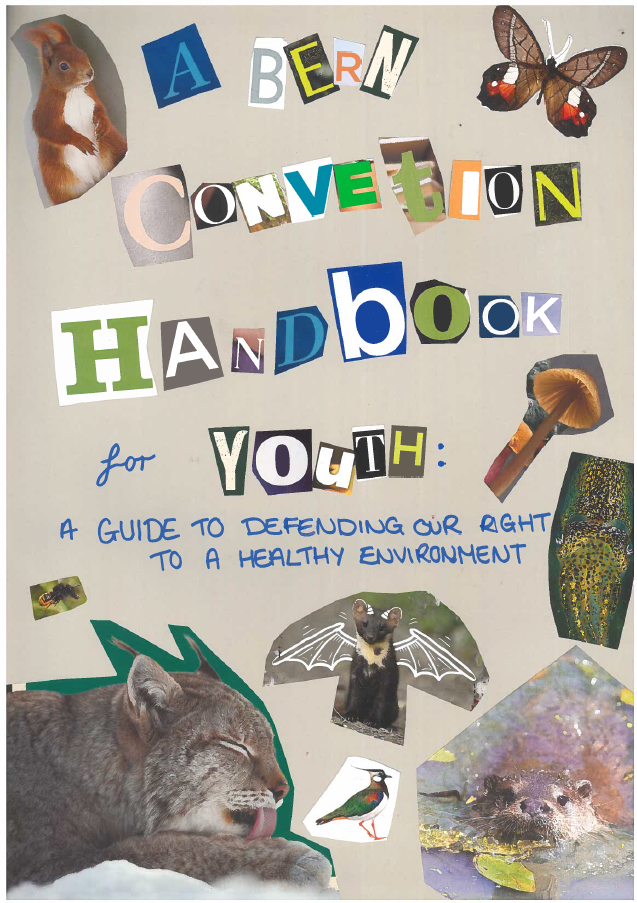
To help spread knowledge on the Bern Convention to other youth in the sector who could not be in the room, we created a collaborative zine to be shared by the participants. It is a creative digital magazine that covers the Bern Convention, youth participation and other ideas discussed through the week such as shifting baseline syndrome and advocacy tools. The zine is now theirs to use as an advocacy piece in their local contexts, multiplying what was learnt at the study session. Participants have been asked to share how they are using it with the team and with each other.
Participants also created personal action plans including communication activities around the Bern Convention and on the rights of citizens and young people, making use of the collective zine. Communication campaigns, awareness raising and direct advocacy have been identified as the key actions. Additionally, participants from EU member states intend to take these commitments further by working on the implementation of the Bern Convention within the EU, connecting it to the Habitats and Birds Directives – potentially through a dedicated exchange on the topic.
Bern Convention Zine