Restoring seagrass together
Credit: Irene Mineo
Citizen science and community engagement in Marine Protected Areas. By Irene Mineo | EUROPARC Scholarship for Young Professionals
Restoring seagrass together
Seagrass restoration is often described in terms of seeds, shoots and planting methods. My study visits in Scotland and Italy showed that people are just as important. Long-term recovery depends on those who understand how a coast is used, help collect evidence, reduce pressures and remain involved after the initial project funding has ended.
What have I done?
Through my EUROPARC scholarship, I travelled from Wester Ross in Scotland to Portofino, Porto Cesareo, Venice and Rome. I met restoration practitioners, researchers and protected area professionals, visited field sites and laboratories, and explored how restoration teams choose sites, test methods, monitor results and involve local people.
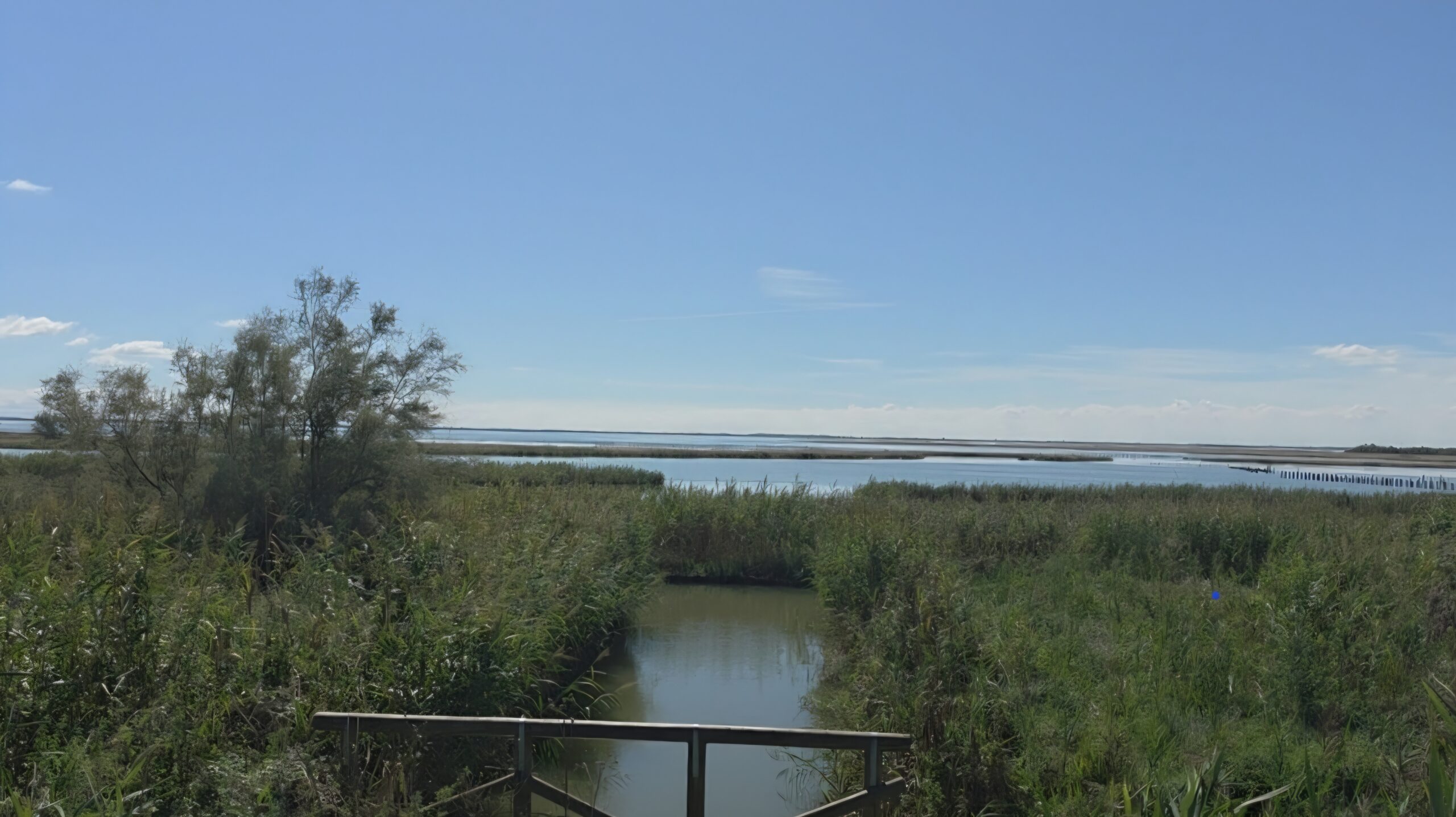
The lagoon in Venice. Credit: Irene Mineo
At Wester Ross Fisheries Trust, I learned about trials using hessian bags, rhizomes and seeds to grow and plant Zostera marina supported by SMEEF and NatureScot. The work involved trusted local helpers who were paid for their contribution, making participation realistic alongside other employment. In Portofino, I visited a Posidonia oceanica restoration site managed by One Ocean Foundation in a busy visitor destination, where boat operators, tourism businesses and visitors can all influence the meadow’s future. At the University of Salento, discussions focused on experimental work with Cymodocea nodosa and the importance of sharing unsuccessful trials. In Venice, with ISPRA, the Lagoon REFRESH project involved local recreational fishers in planting activities, while in Rome an ISPRA roundtable showed how many different projects contribute to national mapping, monitoring and restoration evidence.
Why is it important?
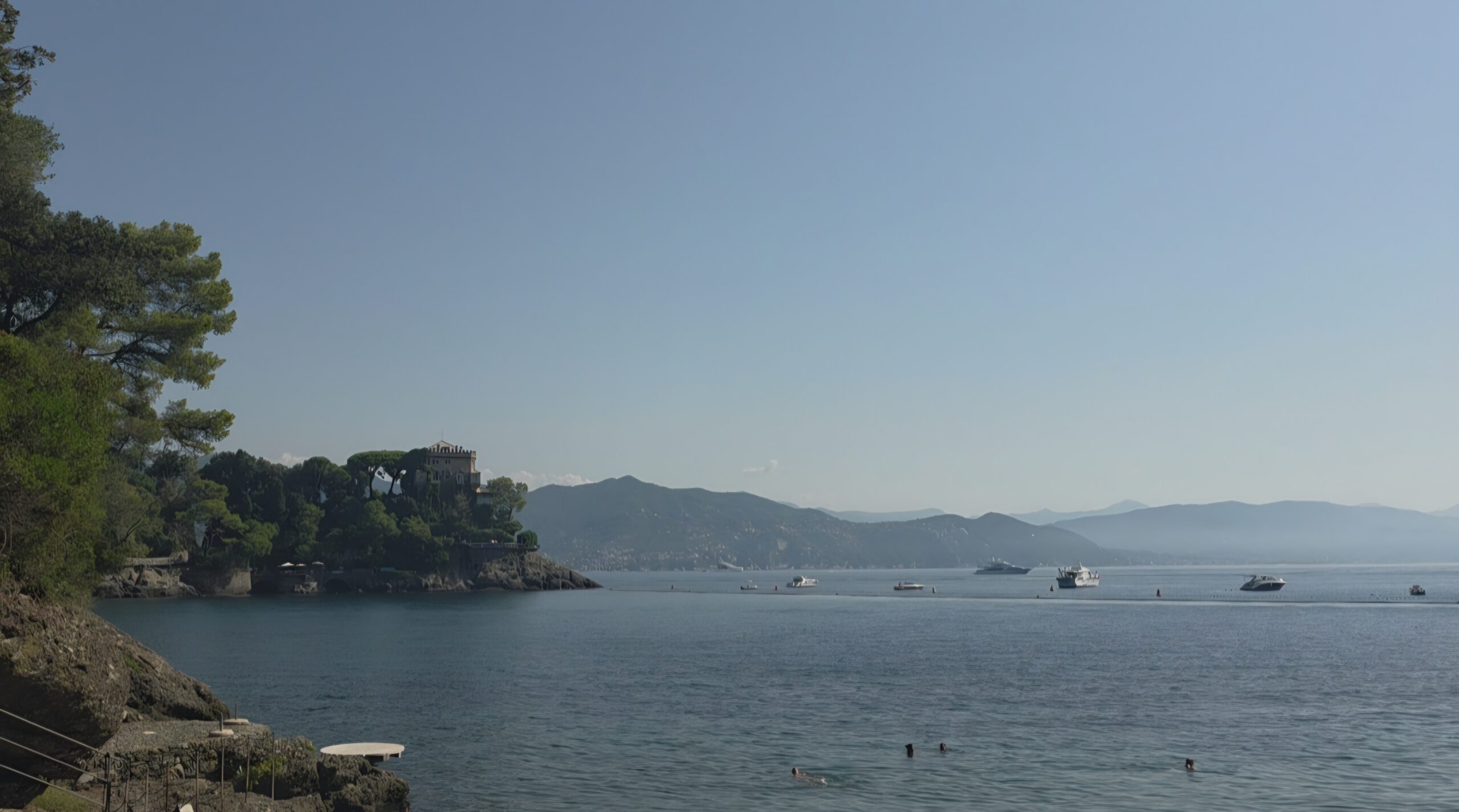
Baia di Niasca. Credit: Irene Mineo
Seagrass meadows provide habitat for marine life, support water quality and help protect coastlines, but much of this value remains hidden beneath the surface. People may swim, fish or anchor beside a restoration site without knowing that it is there. As one researcher observed during my visit, it is difficult to love or protect something that we cannot name. Helping people recognize seagrass and understand its connection with fisheries, beaches, dunes and coastal protection can turn an unfamiliar underwater plant into a shared local asset.
Community engagement is also practical, not simply educational. Fishers and boat operators can identify pressures and explain how an area is used. Trained volunteers can collect repeat observations, while visitors and local businesses can support responsible anchoring and raise awareness. Citizen science can extend the reach of monitoring and strengthen local ownership, provided that participants receive clear methods, suitable training and feedback on how their contribution has been used.
Main findings of the study?
Restoration works best when communities are involved early – Participation should begin when pressures, sites and methods are being discussed, rather than after decisions have already been made.
Different people can contribute different knowledge – Scientific monitoring, local ecological knowledge and citizen observations answer different questions and are strongest when they complement one another.
Participation needs proper support – Volunteer enthusiasm cannot replace specialist skills, safe working practices or long-term funding. Where appropriate, paying local contributors can make involvement more inclusive and sustainable.
Citizen science needs a clear purpose – Projects should explain what information is needed, how records will be checked and what decisions the evidence will inform. Participants should hear what was learned from their work.
Communication is part of restoration – Species identification, local background and visible opportunities to act can build support for protection, but awareness must be linked to practical changes in behaviour and management.
Recommendations and suggestions
A practical next step for protected area teams is to plan ecological restoration, pressure reduction and community participation together. Each project should identify who uses the site, what knowledge they can offer, which tasks are suitable for citizen involvement and who will maintain relationships after the grant ends. Monitoring plans should combine professional surveys with carefully designed citizen-science activities where these can provide reliable and useful evidence alongside a lasting support.
Read the full study here: Full report