Expanding the Junior Ranger programme through Erasmus+ projects
The Latvian national parks paired up to help a Croatian National Park start their own Junior Ranger programme.
Expanding the Junior Ranger programme through Erasmus+ projects
The Erasmus+ project “Environmental awareness-raising of young people from protected areas” was a small-scale partnerships project between Gauja National Park Fund (Latvia), Ķemeri National Park Fund (Latvia), Krka National Park (Croatia) and Leader Sepra (Finland). Over the course of two years, it aimed to inform and raise interest of young people about environmental issues in Europe, partner countries and local territories and create possibility to participate and express their opinion through existing youth organisations such as the Junior Ranger Programme, scouts and others.
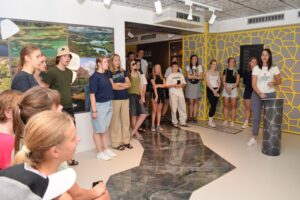 The project included research into good practices from junior rangers in Latvia, scouts in Finland, and pilot activities in Croatia in the field of non-formal methods, looking at how to involve the teenagers in nature protection and increase their environmental awareness. Not just that, the project also looked even deeper, exploring a the motivations for youth engagement and incorporating them into their youth programmes.
Download the new guide for the EUROPARC Junior Ranger programme and read all about it!
Download it here: Guide
During last two years the project partners had three successful study visits and an international final event in Krka National Park, developing a Junior Ranger Programme and a motivation system for young people which resulted in Krka National Park being the first Croatian Protected Area to implement a EUROPARC Junior Ranger programme in recent years. This programme focused on a first cohort of 20 young people and was strengthened by the project partners, improving environmental knowledge and creating visibility materials. In addition to the establishment of a junior ranger group in Croatia, the number of young rangers and volunteers also grew in Latvia.
The successful realisation of project activities brought numerous benefits to all project partners, involved participants as well as participant organisations. The initiative, aimed at young people aged 13 to 30 (including both Junior Rangers and Youth+), focused on nature protection, environmental restoration, and sustainability. Designed to be inclusive and engaging, the activities encouraged participants to develop practical skills needed for biodiversity monitoring, deepen their understanding of environmental issues such as pollinator declines, and strengthen their motivation to protect nature by building a sense of connection to Protected Areas.
Beyond environmental education, the programme fostered valuable social connections. Participants not only made new friends locally but also built international ties, learning about each other’s countries, cultures, and languages. These exchanges enriched the experience, broadening horizons and inspiring continued collaboration across borders.
Partner organisations reported strengthened youth programmes and expanded professional networks, alongside the adoption of innovative educational methods. The project’s strong visibility in local communities further inspired reflection among young people and their families, helping to spread a culture of environmental responsibility.
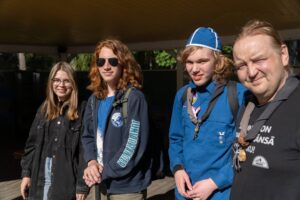
Participating schools, particularly those connected with the Junior Ranger and Scout movements, benefited from additional extracurricular activities that attracted new students and strengthened community ties. Municipalities gained from the public attention surrounding environmental education, with hopes that some participants may pursue future careers in nature conservation as biologists, foresters, or park rangers.
Protected Areas near the project sites also played a key role, sharing their expertise with participants and expecting that some will one day return as employees or advocates for conservation. Educational workshops with Junior Rangers and scouts are set to continue, with the newly established Junior Ranger group in Krka National Park already planning future activities and seeking to welcome new members.
The project’s success has set a strong foundation for future initiatives dedicated to youth education and environmental stewardship—demonstrating that engaging young people in hands-on learning can inspire both local and global impact.
 Co-funded by the European Union. Views and opinions expressed are however those of the author(s) only and do not necessarily reflect those of the European Union, European Commission. Neither the European Union nor the granting authority can be held responsible for them.
Sustainable Tourism and Biodiversity in the Spotlight in Wallonia
Picture Credit: Thomas Meunier
Good for Nature, Good for People
Ensuring tourism develops in a sustainable way, that is both good for people and nature, requires continous dialogue and assessement. Events like this Conference in Wallonia are an important part of this process. Apart from presentations, the conference also featured around ten exhibition stands within a “Market of Good Ideas”, creating a space for practical exchange and showcasing sustainable tourism initiatives from across Wallonia.
The event marked an important milestone in the ongoing dialogue between biodiversity conservation and sustainable tourism development in Wallonia. It also reflected the growing engagement of Belgian Parks with the EUROPARC Federation and the European Charter for Sustainable Tourism (ECST).
A strong message resonated throughout the day:
Tourism and nature are not opposed, but complementary.
When properly managed, they can strengthen the attractiveness of territories, promote environmentally and socially responsible tourism, and contribute to financing nature restoration projects.
The morning session was attended by the Cabinets of Ministers Anne-Catherine Dalq and Valérie Lescrenier, who supported the alignment between biodiversity policy and tourism development.
EUROPARC–European Charter for Sustainable Tourism Representation
Paulo Castro, Chairman on EUROPARC’s Sustainable Tourism Working Group, represented the European Charter for Sustainable Tourism (ECST) at the event. He presented the ECST framework and its role in supporting Protected Areas to design and implement long-term, participatory sustainable tourism strategies.
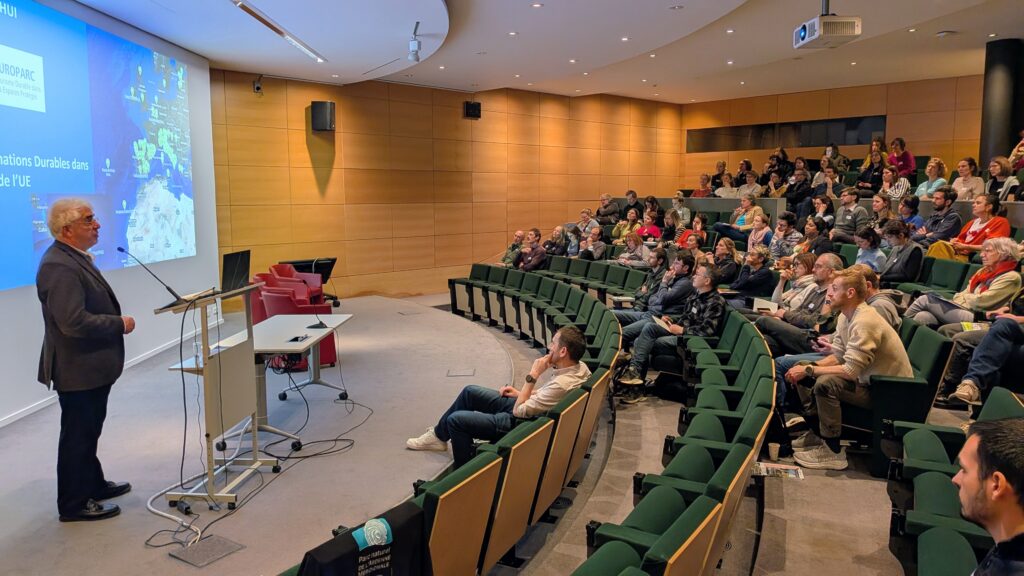
Paulo Castro presents the ECST. Picture credit: Federation of natural parks of Wallonia
The ECST is a practical management tool that helps Parks work in partnership with local tourism stakeholders to balance conservation objectives with socio-economic development. Today, the ECST network brings together 93 Protected Areas across 13 European countries.
The programme also featured Arnau Dorca from the Garrotxa Volcanic Zone Natural Park, representing one of the pioneering ECST territories. Drawing on 25 years of experience, he shared insights into long-term strategy implementation, stakeholder engagement, and the measurable benefits of structured sustainable tourism governance. The exchange demonstrated how the ECST methodology can deliver durable results when supported by strong partnerships and institutional continuity.
The ECST: a Living, Growing Network
A particularly encouraging development is that four Belgian Protected Areas are currently preparing their applications to join the ECST network by the end of the year. This signals a dedicated commitment from Wallonia to embed sustainability principles within tourism planning and governance.
Eager to join a European Sustainable Tourism Event? Then join the next ECST Network meeting from 26 – 28 May in Stintino, Italy!
The Four Parks Preparing for ECST
- Parc naturel des Deux Ourthes – Located in the Ardennes, this Park is characterised by forested valleys and river landscapes shaped by the Ourthe river system. It combines nature conservation with rural development and outdoor recreation management.
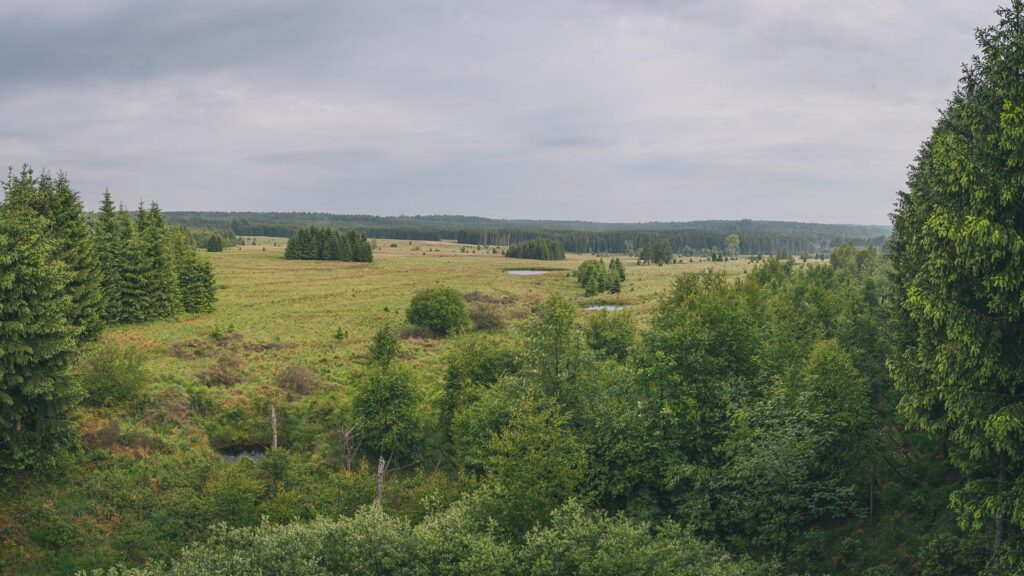
Picture Credit: Thomas Meunier
- Parc naturel Haute-Sûre Forêt d’Anlier – Known for its vast massif forest, the Park integrates biodiversity protection with sustainable forestry, water resource management, and soft mobility initiatives.
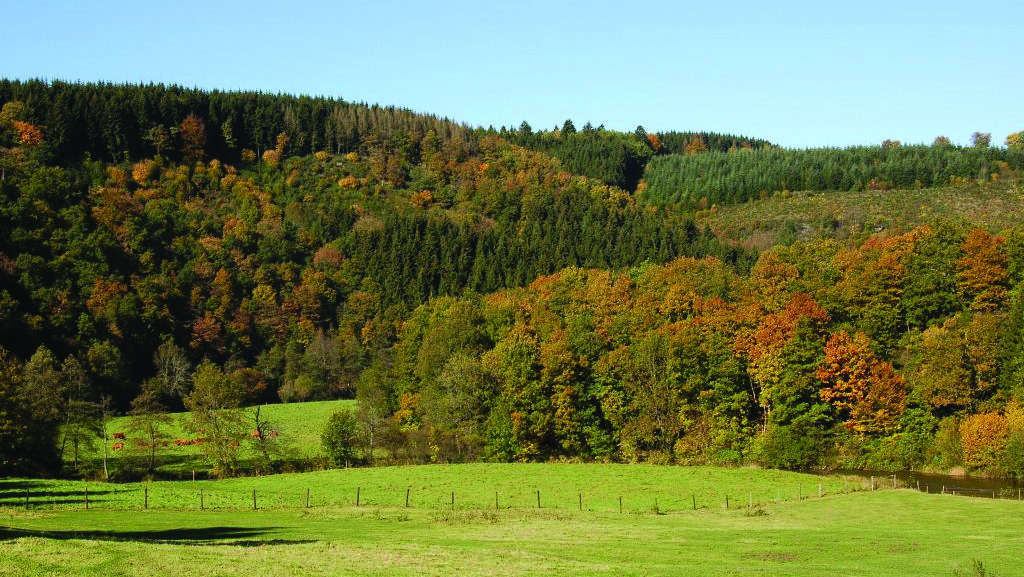
Picture credit: Thomas Meunier
- Parc naturel des Hauts-Pays – Situated along the French border, this Park features bocage landscapes, wetlands, and cross-border ecological connectivity, with a strong focus on landscape preservation and local product valorisation.
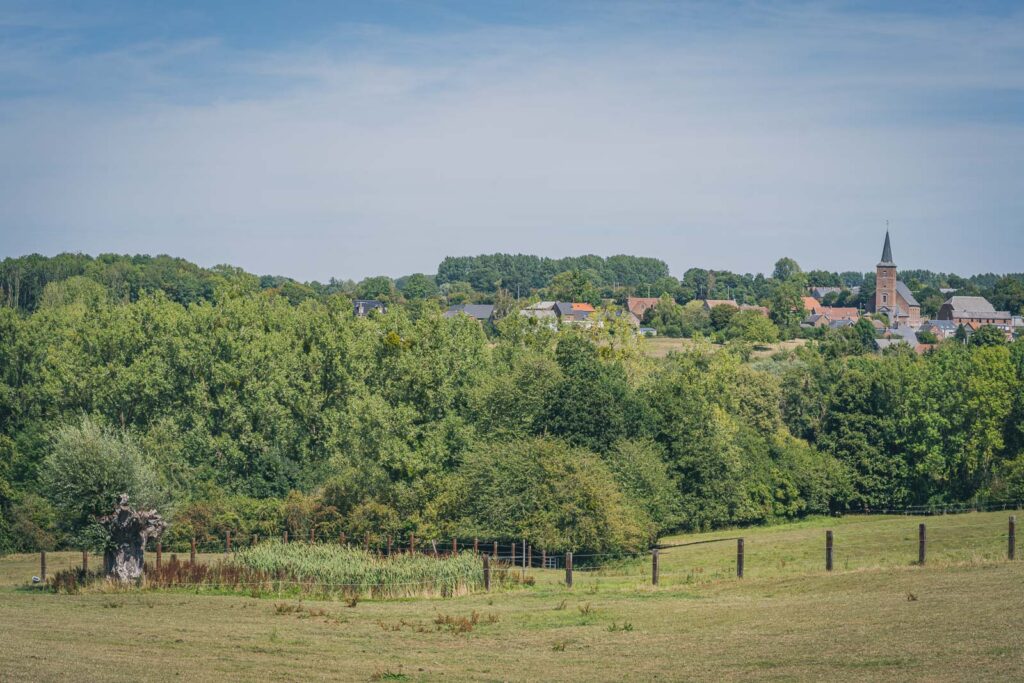
Picture Credit: Thomas Meunier
- Parc naturel des Plaines de l’Escaut – Located in western Wallonia, this Park is defined by river plains, agricultural mosaics, and cross-border cooperation with France, integrating biodiversity conservation with cultural heritage and sustainable tourism development.The Park is already a registered EUROPARC Transboundary Park!
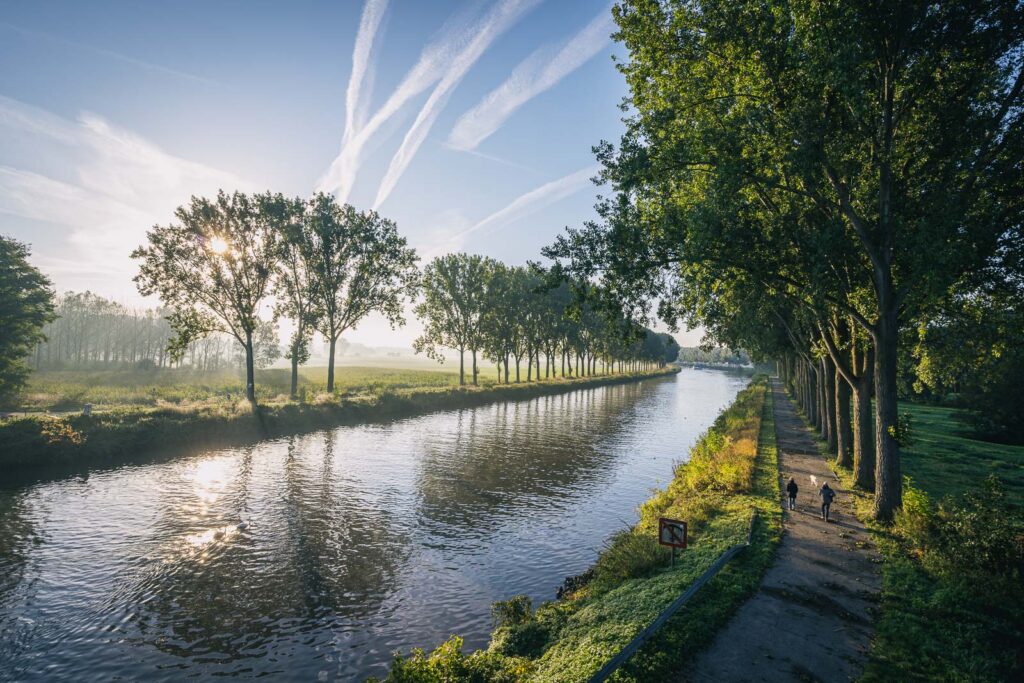
Picture Credit: Thomas Meunier
Their engagement with the ECST reflects a strategic step toward structured, long-term tourism governance aligned with conservation objectives.
Knowledge Sharing from Wallonia
Beyond the event itself, the Fédération des Parcs naturels de Wallonie has developed a range of publications and communication materials on sustainable tourism. These include thematic brochures and practical guidance resources.
Furthermore, the organisation has developed a series of practical brochures on sustainable tourism, presenting tools, methodologies and concrete examples from Wallonia’s natural parks. The publications highlight how biodiversity conservation can be integrated into tourism strategies through stakeholder cooperation, visitor management, and promotion of local products and soft mobility. These resources provide applied guidance that could be highly relevant for other Protected Areas.
The video section brings together firsthand testimonials and webinar recordings featuring park managers, local partners, and tourism professionals from Wallonia’s natural parks, and explore real experiences in implementing sustainable tourism practices on the ground
Read more about the resources development process in the special case study here.
The event further highlighted that several Walloon Natural Parks have already been structuring and implementing sustainable tourism projects for a number of years, demonstrating operational commitment alongside strategic ambition.
A Strategic Moment for Wallonia
The Namur event was more than a single-day gathering. It reflects a wider strategic momentum: Belgian Parks are actively positioning themselves within the European sustainable tourism framework, reinforcing biodiversity objectives while strengthening local economies.
In parallel, regional tourism authorities VisitWallonia and Tourisme Wallonie reaffirmed their ambition to position Wallonia as a leading destination for nature tourism, signaling stronger alignment between conservation governance and destination strategy. The discussions were further enriched by insights from Marc Dufrêne, professor at the University of Liège – Gembloux Agro-Bio Tech, who reflected on the evolving relationship between nature and tourism and its future prospects, reinforcing the view that Natural Parks are key actors in the strategic development of territories and in the transition toward more sustainable tourism models.
With four parks preparing to join the ECST network and a strong institutional commitment from the Fédération des Parcs naturels de Wallonie, Wallonia is taking a decisive step forward in aligning tourism development with biodiversity conservation.
This evolving collaboration between Belgian Protected Areas and the ECST network underscores a shared European ambition: ensuring that tourism contributes positively to nature, communities, and regional resilience.
Learn more about the European Charter for Sustainable Tourism in Protected Areas here.
Youth and Education: Investing in the Next Generation of Transboundary Cooperation
(c) Maas-Schwalm-Nette.
Across Europe’s transboundary Protected Areas, education is more than outreach — it is a strategic investment in long-term cooperation. By engaging young people, strengthening multilingual learning, and connecting culture with conservation, parks are building shared responsibility beyond borders.
This first 2026 Transboundary Programme Spotlight Story presents three examples that illustrate how youth and education drive transboundary impact — from Arctic dark skies (2024), to hands-on conservation camps (2025), to structural cross-border visitor education projects launching in 2026.
2024: Dark Skies and Cultural Education in Pasvik-Inari
In 2024, Øvre Pasvik National Park in Norway — part of the Pasvik-Inari Transboundary Area — became Norway’s first site certified as an International Dark Sky Place by DarkSky International.
Located in Norway’s far northeast, the park offers exceptional opportunities to observe the Aurora Borealis during the polar night. Yet the designation is not only about spectacular night skies — it reflects a strong educational commitment.
The park collaborates with local schools to integrate STEM-based dark sky education and works with research institutions to raise awareness through citizen science programmes, nature schools, and public lectures. Visitor centres at NIBIO Svanhovd and Gjøken make these themes accessible to residents and international visitors alike.
Across the border in Finland, the Sámi Museum and Northern Lapland Nature Centre Siida — located within the wider Pasvik-Inari cooperation area — was recognised as both Museum of the Year 2024 and European Museum of the Year 2024. Through innovative and interactive storytelling, the museum connects Sámi cultural heritage with Arctic biodiversity, demonstrating how cultural and environmental education can reinforce each other.
Together, these recognitions highlight how transboundary cooperation strengthens education at multiple levels — from school engagement to international awards.

2025: Youth Camp Wildenrath — Practical Conservation in Maas-Schwalm-Nette
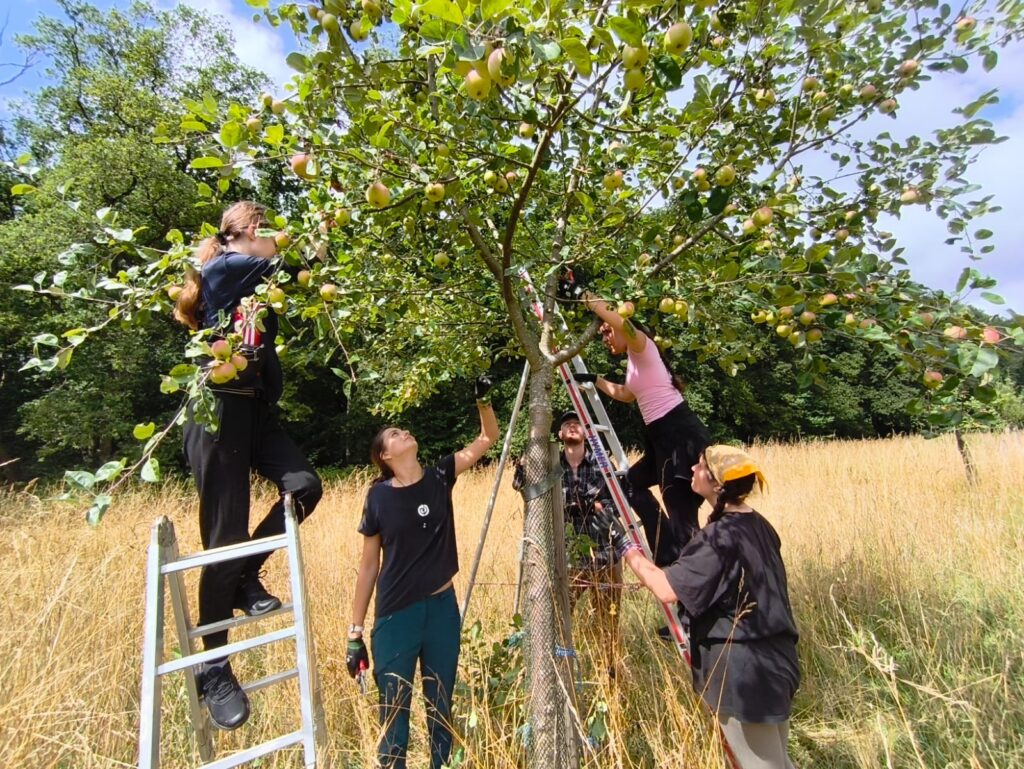
In summer 2025, the cross-border park Maas-Schwalm-Nette organised an international volunteer camp bringing together 16 young people from across Europe.
For two weeks, participants were hosted at Naturschutzstation Haus Wildenrath on the German side of the border, while working in nature areas in both Germany and the Netherlands.
Their work focused on sensitive habitats of high importance for snakes and amphibians. These areas tend to become overgrown with shrubs and trees, reducing sunlight and ground vegetation. Because the work is too delicate for heavy machinery — or not always financially feasible — manual intervention was essential.
The young volunteers cleared excessive vegetation in several small sites, directly improving habitat conditions and contributing to biodiversity conservation.
Key partners included:
- Staatsbosbeheer
- Naturschutzstation Haus Wildenrath
- SIW Volunteers
- Nationaal Park De Meinweg
- Cross-border park Maas-Schwalm-Nette
The experience also revealed important lessons for cross-border governance. Beyond funding questions, discussions focused on responsibility and liability. Partners learned that investing time in building relationships and establishing shared ownership is crucial before defining financial and operational details.
Although the participants came from across Europe, the camp strengthened cooperation locally. Responsible authorities on both sides of the border worked more closely together. As organisers reflected, understanding who does what — and simply having each other’s contact details — is fundamental to effective transboundary collaboration.
Youth engagement here was not symbolic; it delivered ecological results and reinforced institutional trust.
(c) Maas-Schwalm-Nette
2026–2028: Better Together in the Bavarian Forest and Šumava
Beginning in January 2026, Bavarian Forest National Park and Šumava National Park are launching a three-year project that places multilingual education at the centre of their cooperation.
Responding to growing demand from neighbouring countries and international visitors, the project includes three interconnected components:
1. Joint Multilingual Exhibitions
Permanent exhibitions at the Hans-Eisenmann-Haus (Germany) and Stožec visitor centre (Czech Republic) will be redesigned with consistent content. Visitors will experience a virtual walk through shared biotopes, presenting the two parks as one connected ecosystem.
2. Bilateral Guide Training
A joint training and qualification concept for guides will introduce new teaching modules and digital materials. Multilingual guided tours will enhance accessibility for visitors from neighbouring countries and abroad.
3. A Connected Cross-Border Cycling Route
The cycling route between Stožec and Neuschönau will be enhanced with multilingual digital information services, as well as charging and repair stations, physically linking the two visitor centres and reinforcing the shared narrative.
The project supports both tourism and regional cooperation while ensuring accessibility for people with special requirements. It represents an important structural step toward long-term cross-border alignment in interpretation, training, and visitor services.
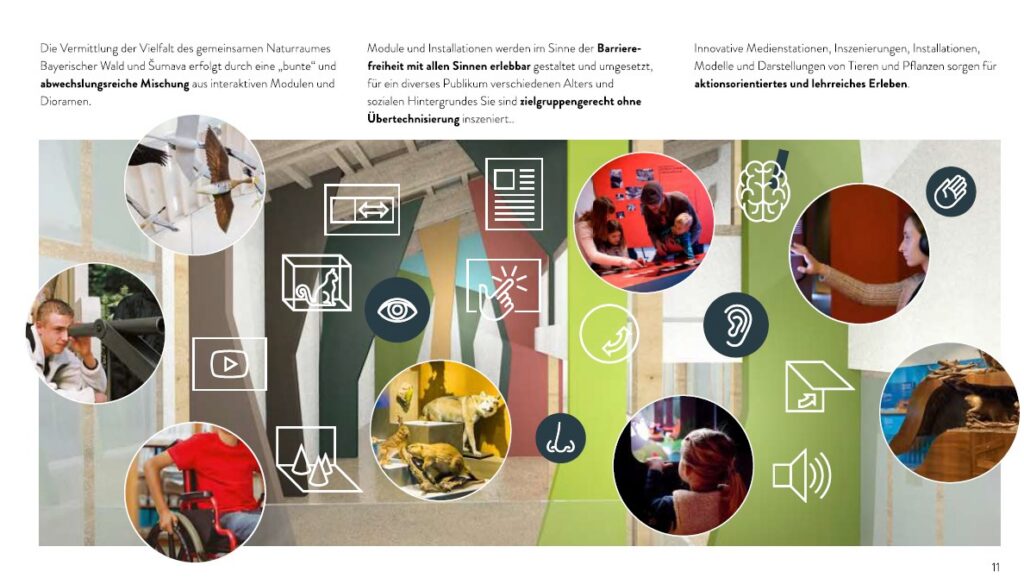
Initial exhibition sketches from project book. (c) Bavarian Forest NP and Sumava NP.
Shared Message for the Future
Across these three examples — from Arctic night skies (2024), to hands-on youth conservation (2025), to structured multilingual education initiatives beginning in 2026 — one message is clear:
Transboundary cooperation becomes sustainable when it invests in learning.
Education strengthens environmental awareness, builds institutional trust, supports inclusive tourism, and empowers young people to take responsibility for shared natural heritage.
Nature does not recognise borders. Through youth engagement and education, Europe’s transboundary Protected Areas ensure that the next generation understands this — and acts accordingly.
Protected Areas in Action—Inspiration in the Climate-Nature Nexus
Screenshot
Three case studies of Protected Areas engaging in various climate actions.
Protected Areas in Action—Inspiration in the Climate-Nature Nexus
The interconnectedness of climate and nature is well established: healthy ecosystems underpin climate resilience, and effective climate action secures biodiversity. Yet, translating this understanding into on-the-ground results within Protected Areas often faces practical obstacles—limited funding, competing land uses, policy gaps, and the need for cross-sector collaboration.
This article explores the latest case studies from the EUROPARC members and delves into successful solutions to common challenges.

Volunteers planting sphagnum by Claire Maxted, BMC
Case Study 1: The Climate Project: Sphagnum Planting for Peatland Restoration in the Peak District
The British Mountaineering Council and the Peak District National Park, delivered by Moors for the Future Partnership, have a volunteer programme to bring outdoor sport practitioners into the work of the national park and allowing all to be involved in delivering climate actions through nature restoration. Their lighthouse project won the first ever EUROPARC/ENOS Joint Award so read the full story in our knowledge hub!
Full Case Study
Implementation of Fish census protocol by Vasilis Resaikos, Cavo Greco MPA
Case Study 2: Climate-adaptation tools in N2000 site Cavo Greco MPA, Cyprus.
Cavo Greco MPA on Cyprus’s southeast coast covers 9.62 km² and has been part of Natura 2000 since 2008, becoming a marine protected area in 2018. Due to increasing environmental pressures such as growing tourism, rising human activity along the coast, and the vulnerability of its sensitive marine habitats to climate change, the MPA joined the Interreg-EuroMed MPA4Change project. They implemented a set of seven climate-adaptation toolkits to improve monitoring, management, and stakeholder engagement. Interested in their experience?
Full Case Study
Derek McLoughlin and Marina Xenophontos (European Commission) Natura 2000 award (Working together for Nature) by Michael McLaughlin
Case Study 3: LIFE IP Wild Atlantic Nature: Incentivising peatland restoration via results-based payments
The Wild Atlantic region of Ireland, implemented a Results Based Payment Scheme (RBPS) linking payments to an annual habitat score (0–10) based on ecological indicators. This incentivised maintaining or improving habitat quality and succesfully increased the momentum of landowners of Natura 2000 to restoring and maintaining biodiversity. It was enacted together with multiple partners and building public support such as school programmes, community seed funds, outreach actions which reinforced local buy-in and build capacity. Do you think you could do the same?
Full Case StudyToolkit: Climate Change Adaptation – Toolkit for Protected Area Managers
This toolkit has been produced to support the work of Protected Area managers in doing the necessary commitments and adjustments to minimize the impacts that Climate Change is having, and will continue having, in the natural spaces they safeguard. It can be used both as a first step, for those managers that did not consider yet Climate Change adaptation measures in their Parks, and for those that despite having started with adaptation measures they need to take further steps in order to have a more integrated approach.
ToolkitThese cases showcase successful efforts and actions taken across the EUROPARC network.
Do you also have an example to share? Send us your case study and join the diversity of voices inspiring and promoting good practices across the EUROPARC network!