Sustainable Tourism and Biodiversity in the Spotlight in Wallonia
Picture Credit: Thomas Meunier
Good for Nature, Good for People
Ensuring tourism develops in a sustainable way, that is both good for people and nature, requires continous dialogue and assessement. Events like this Conference in Wallonia are an important part of this process. Apart from presentations, the conference also featured around ten exhibition stands within a “Market of Good Ideas”, creating a space for practical exchange and showcasing sustainable tourism initiatives from across Wallonia.
The event marked an important milestone in the ongoing dialogue between biodiversity conservation and sustainable tourism development in Wallonia. It also reflected the growing engagement of Belgian Parks with the EUROPARC Federation and the European Charter for Sustainable Tourism (ECST).
A strong message resonated throughout the day:
Tourism and nature are not opposed, but complementary.
When properly managed, they can strengthen the attractiveness of territories, promote environmentally and socially responsible tourism, and contribute to financing nature restoration projects.
The morning session was attended by the Cabinets of Ministers Anne-Catherine Dalq and Valérie Lescrenier, who supported the alignment between biodiversity policy and tourism development.
EUROPARC–European Charter for Sustainable Tourism Representation
Paulo Castro, Chairman on EUROPARC’s Sustainable Tourism Working Group, represented the European Charter for Sustainable Tourism (ECST) at the event. He presented the ECST framework and its role in supporting Protected Areas to design and implement long-term, participatory sustainable tourism strategies.
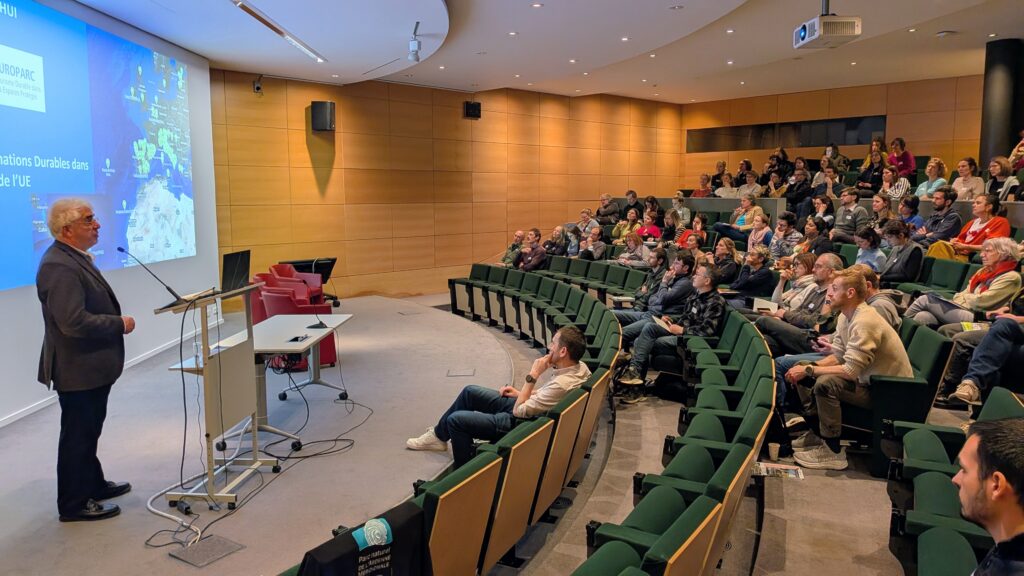
Paulo Castro presents the ECST. Picture credit: Federation of natural parks of Wallonia
The ECST is a practical management tool that helps Parks work in partnership with local tourism stakeholders to balance conservation objectives with socio-economic development. Today, the ECST network brings together 93 Protected Areas across 13 European countries.
The programme also featured Arnau Dorca from the Garrotxa Volcanic Zone Natural Park, representing one of the pioneering ECST territories. Drawing on 25 years of experience, he shared insights into long-term strategy implementation, stakeholder engagement, and the measurable benefits of structured sustainable tourism governance. The exchange demonstrated how the ECST methodology can deliver durable results when supported by strong partnerships and institutional continuity.
The ECST: a Living, Growing Network
A particularly encouraging development is that four Belgian Protected Areas are currently preparing their applications to join the ECST network by the end of the year. This signals a dedicated commitment from Wallonia to embed sustainability principles within tourism planning and governance.
Eager to join a European Sustainable Tourism Event? Then join the next ECST Network meeting from 26 – 28 May in Stintino, Italy!
The Four Parks Preparing for ECST
- Parc naturel des Deux Ourthes – Located in the Ardennes, this Park is characterised by forested valleys and river landscapes shaped by the Ourthe river system. It combines nature conservation with rural development and outdoor recreation management.
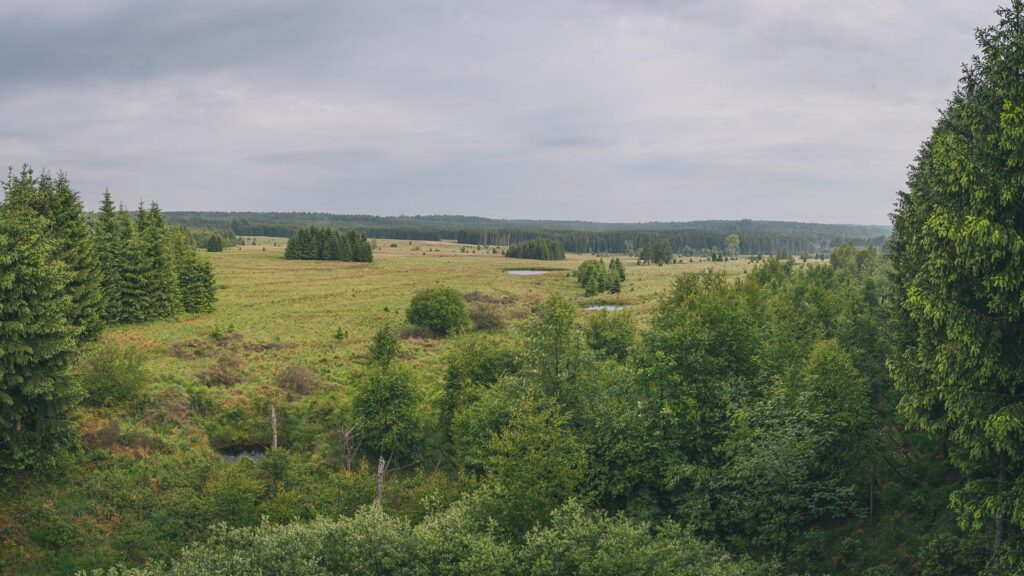
Picture Credit: Thomas Meunier
- Parc naturel Haute-Sûre Forêt d’Anlier – Known for its vast massif forest, the Park integrates biodiversity protection with sustainable forestry, water resource management, and soft mobility initiatives.
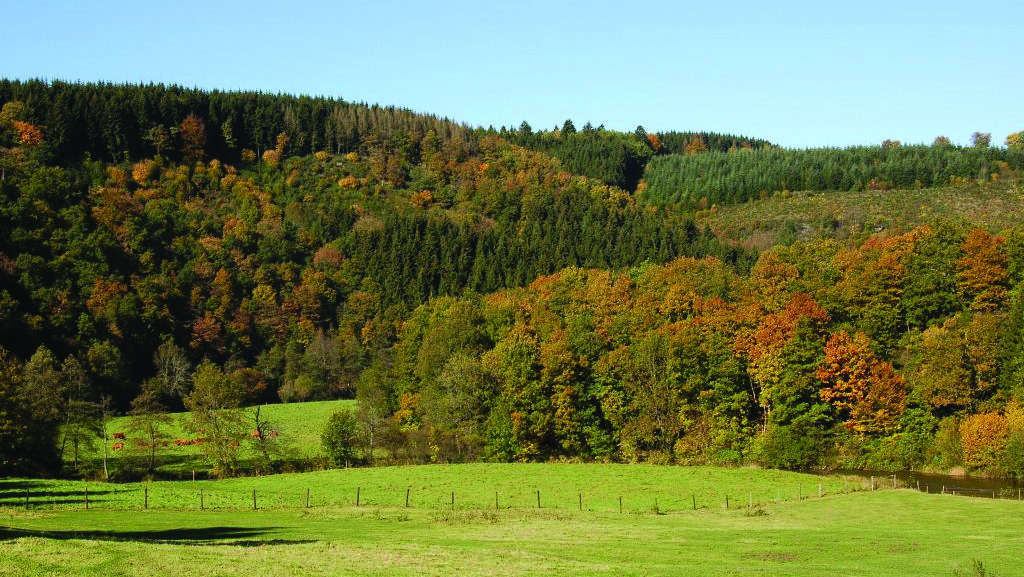
Picture credit: Thomas Meunier
- Parc naturel des Hauts-Pays – Situated along the French border, this Park features bocage landscapes, wetlands, and cross-border ecological connectivity, with a strong focus on landscape preservation and local product valorisation.
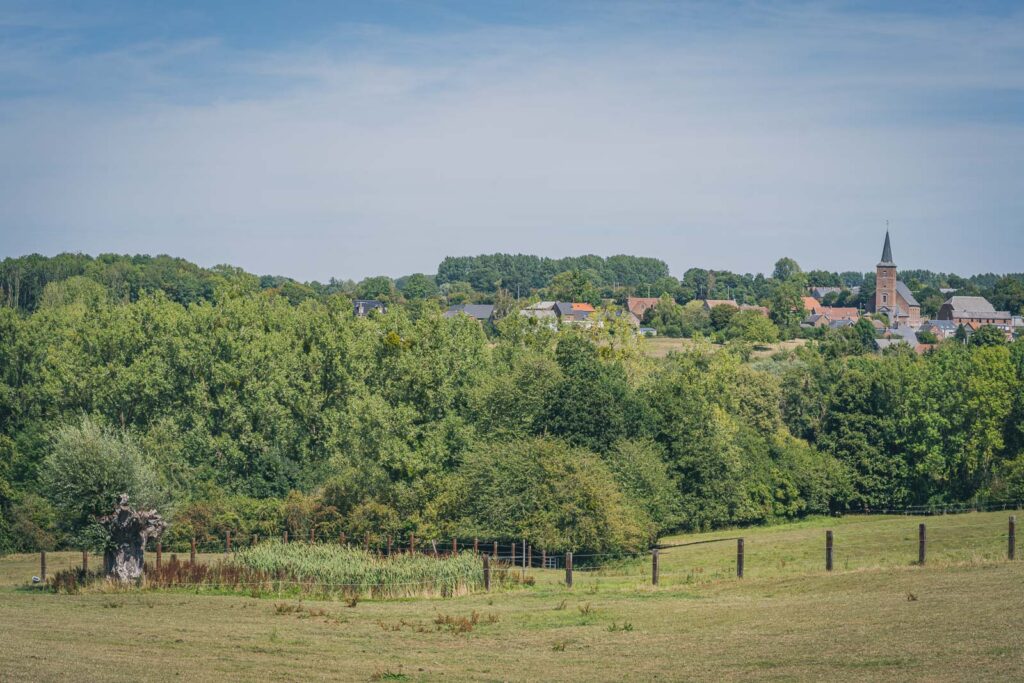
Picture Credit: Thomas Meunier
- Parc naturel des Plaines de l’Escaut – Located in western Wallonia, this Park is defined by river plains, agricultural mosaics, and cross-border cooperation with France, integrating biodiversity conservation with cultural heritage and sustainable tourism development.The Park is already a registered EUROPARC Transboundary Park!
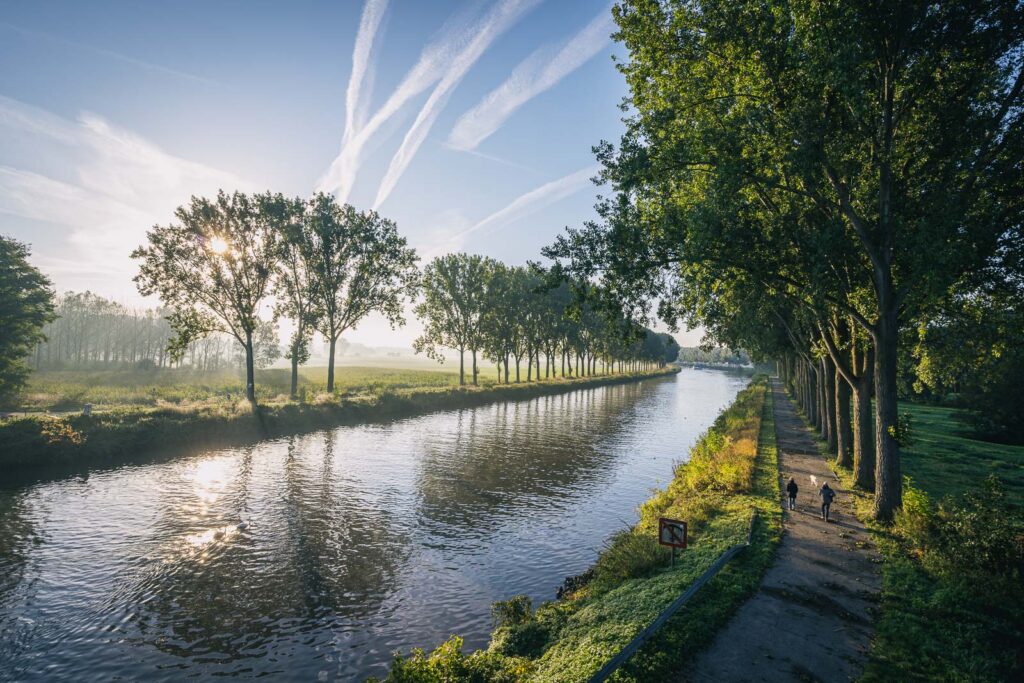
Picture Credit: Thomas Meunier
Their engagement with the ECST reflects a strategic step toward structured, long-term tourism governance aligned with conservation objectives.
Knowledge Sharing from Wallonia
Beyond the event itself, the Fédération des Parcs naturels de Wallonie has developed a range of publications and communication materials on sustainable tourism. These include thematic brochures and practical guidance resources.
Furthermore, the organisation has developed a series of practical brochures on sustainable tourism, presenting tools, methodologies and concrete examples from Wallonia’s natural parks. The publications highlight how biodiversity conservation can be integrated into tourism strategies through stakeholder cooperation, visitor management, and promotion of local products and soft mobility. These resources provide applied guidance that could be highly relevant for other Protected Areas.
The video section brings together firsthand testimonials and webinar recordings featuring park managers, local partners, and tourism professionals from Wallonia’s natural parks, and explore real experiences in implementing sustainable tourism practices on the ground
Read more about the resources development process in the special case study here.
The event further highlighted that several Walloon Natural Parks have already been structuring and implementing sustainable tourism projects for a number of years, demonstrating operational commitment alongside strategic ambition.
A Strategic Moment for Wallonia
The Namur event was more than a single-day gathering. It reflects a wider strategic momentum: Belgian Parks are actively positioning themselves within the European sustainable tourism framework, reinforcing biodiversity objectives while strengthening local economies.
In parallel, regional tourism authorities VisitWallonia and Tourisme Wallonie reaffirmed their ambition to position Wallonia as a leading destination for nature tourism, signaling stronger alignment between conservation governance and destination strategy. The discussions were further enriched by insights from Marc Dufrêne, professor at the University of Liège – Gembloux Agro-Bio Tech, who reflected on the evolving relationship between nature and tourism and its future prospects, reinforcing the view that Natural Parks are key actors in the strategic development of territories and in the transition toward more sustainable tourism models.
With four parks preparing to join the ECST network and a strong institutional commitment from the Fédération des Parcs naturels de Wallonie, Wallonia is taking a decisive step forward in aligning tourism development with biodiversity conservation.
This evolving collaboration between Belgian Protected Areas and the ECST network underscores a shared European ambition: ensuring that tourism contributes positively to nature, communities, and regional resilience.
Learn more about the European Charter for Sustainable Tourism in Protected Areas here.