Seminar Dialogue with the European Commission 2019: Registrations are now open!
After the very positive experience from 2017 and 2018, EUROPARC invites its members again this year to the Seminar Dialogue 2019. The idea is to bring our members together with the European Commission and to look at the same topics from the ground and from the “Brussels” perspective.
Partnerships for biodiversity: European policies and the role of Protected Areas
The voice of nature will be heard in the European Commission: EUROPARC Federation invites members to join the third Seminar Dialogue, organised in close cooperation with the DG Environment.
This time the discussions will focus on Natura 2000 management and transboundary cooperation, the role of farmers and tourism businesses in the rural development of Protected Areas, and youth.
Protected Areas will have the opportunity to showcase their achievements and to receive updates and provide their inputs on EU policies and programmes.
The seminar is organised by EUROPARC and the Directorate General (DG) ENVI-Nature Unit, with the expected participation of DG Agriculture, DG GROW (Internal Market, Industry, Entrepreneurship and SMEs)-Tourism Unit and DG REGIO (Regional and Urban Policy).
The seminar will take place on 28th of October from 16:00 (Pre-seminar meeting and networking dinner for EUROPARC’s participants at EUROPARC Office) and 29th of October from 09:00 to 16:00 (Seminar Dialogue at the DG ENVI), in Brussels.
The detailed program is already available here below. Places are limited but we hope to see many of EUROPARC members in Brussels.
>>>>> Please register HERE <<<<<
Download the latest version of the Seminar Dialogue 2019 Programme:
Seminar Dialogue_2019 Final Program
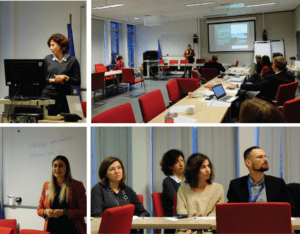
Seminar-
Dialogue on European policies (2018), co-organised with the DG ENV. The Seminar-Dialogue aims to bridge the policy and legislative work in Brussels with experience in the field from EUROPARC members.
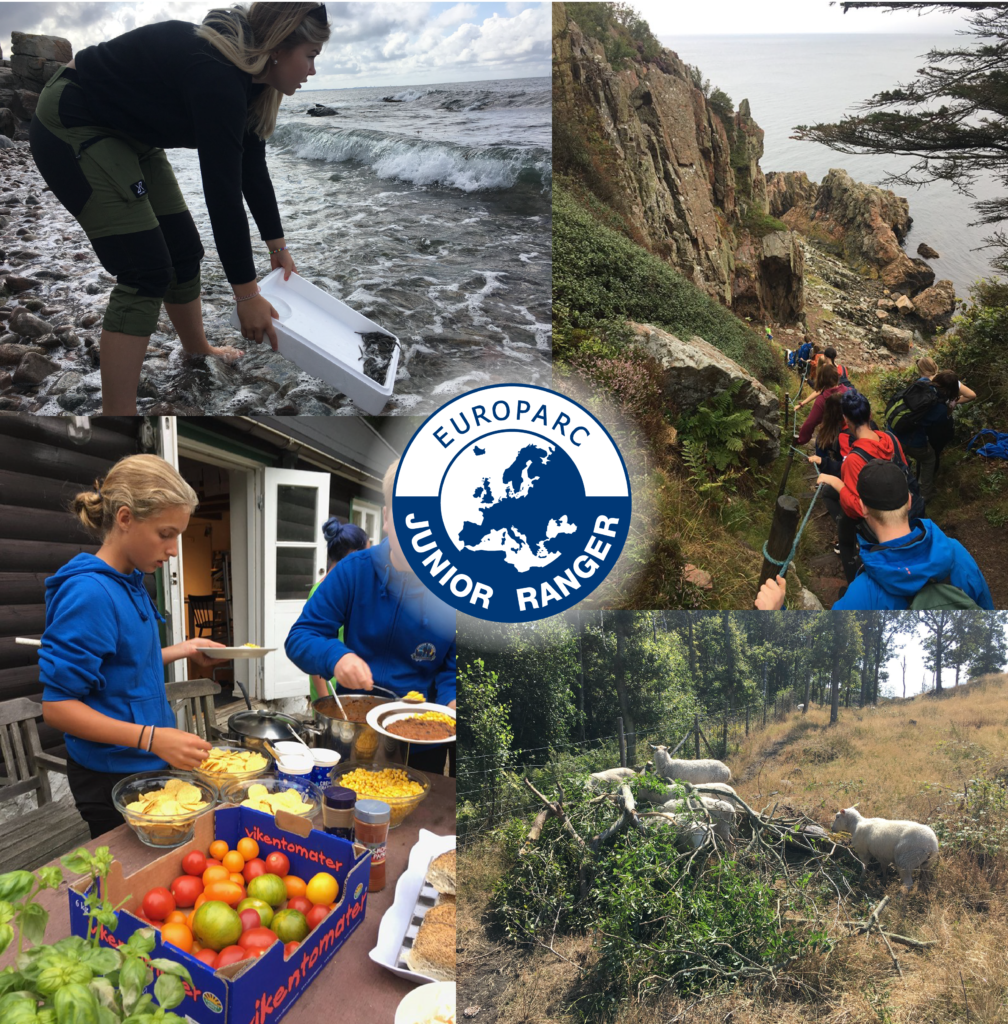
Junior Ranger Camp on Kullaberg, Sweden.
The 8th of August of 2019, a group of Junior Rangers from Müritz National Park landed on the coast of the wild peninsula of Kullaberg to gather Junior Rangers from Kullaberg Nature Reserve, ready to discover the challenges and environment that Junior Rangers from Sweden deal with.
article issued by the Junior Rangers of the Kullaberg Nature Reserve
From sunrise to sunset and beyond!
After 2019 International Junior Rangers Camp, Kullaberg Nature Reserve and Müritz National Park organised a Camp that included a lot of fun but also a lot of new knowledge since the starting. We actually got to use bat detectors during the first evening. The bat detectors catch up the special audio frequency from the bats, which is very convenient for us since humans are not capable to hear so high frequency.
On the second day, we got to do some Junior Ranger work to improve the infrastructure. We met up with the rangers and got our mission of the day. The Youth + camp was there before us so we pretty much got to finish what they had accomplished. The task included:
- Cut down a tree that was blocking the path
- Finished the stone wall the Youth+ group started
- Cut down another tree that was damaging the fence
The reason for doing this was because the old path was too dangerous for the visitors to walk on.
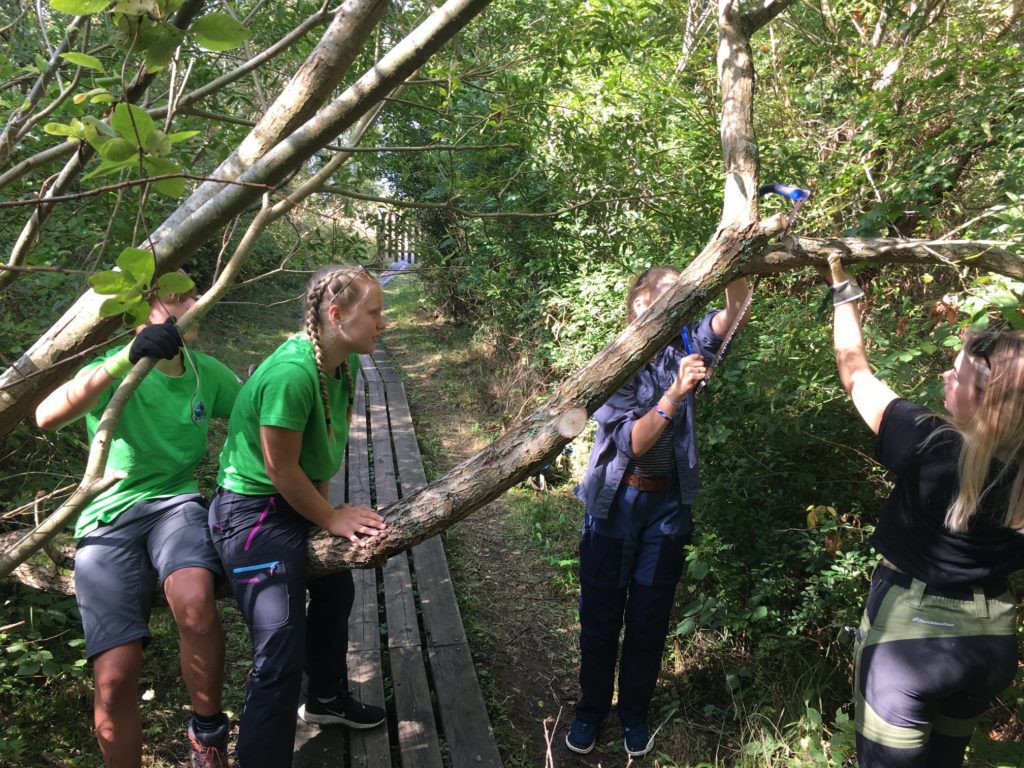
Presenting each evening what we had learnt during the days really helped us not just to remember and think in different perspectives, but also to develop our communication skills
A small peninsula full of habitats and possibilities
We didn’t want to focus just on the forest life in Kullaberg, since there is more to explore.
One of the days we met the team from the eel-restoration project that told us about the glass eel. They are brought to Kullaberg to grow and then they swim all the way back to the Sargasso where they are born. We Junior Rangers got to help releasing the eels at Ransvik.
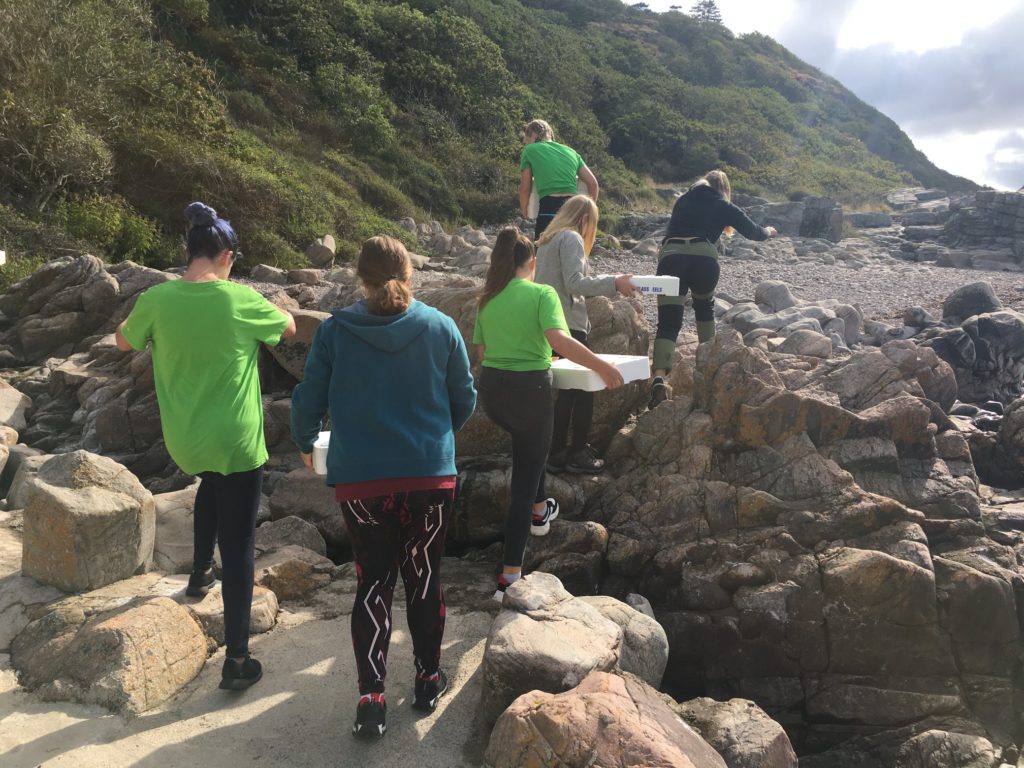
Now we had seen parts from the forest life and the marine life at Kullaberg so we had one more to go. The peninsula has a lot of caves and tall rocks just by the coast. The life here is of course a bit different from the rest of Kullaberg since you can find plants that can survive in the caves even though they don’t get so much sunlight.
A reflection to apply
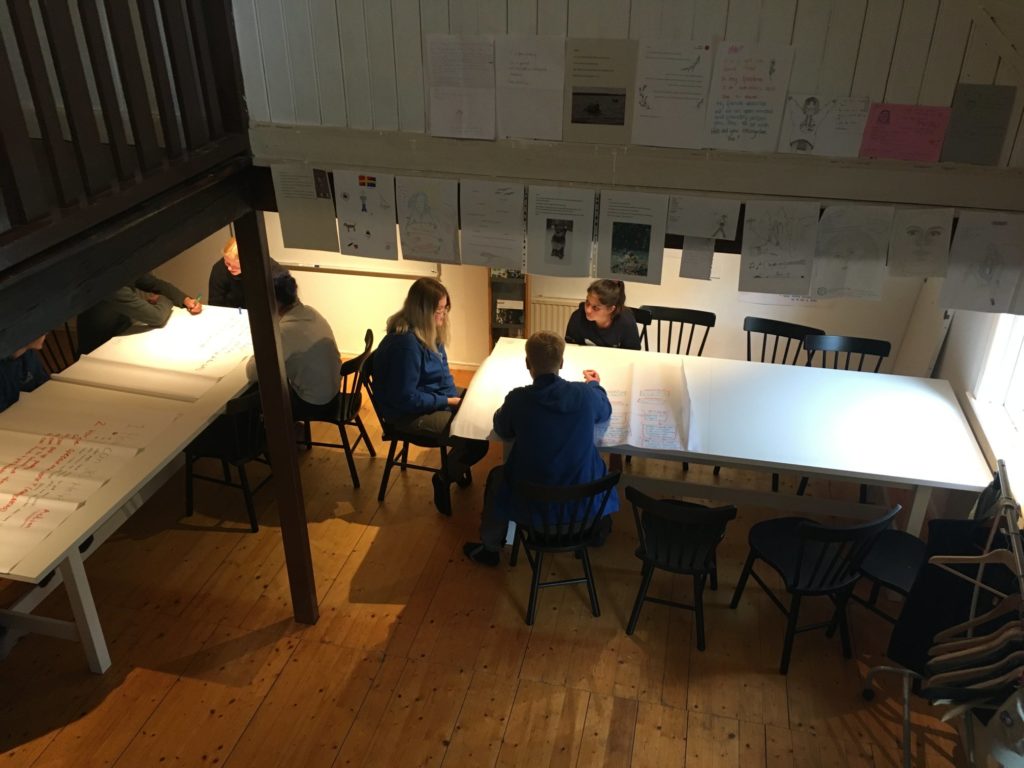
We watched the film called “50 minutes to save the world”, which addresses that the majority of all coral reefs are dying due to us humans, for instance, because of the problem with litter plastic. The animals and plants undersea are affected, the whole underwater life is affected, and when we don’t protect and save this life, the life above sea level will not survive. “I don’t want to give the whole movie away, but I assure you it is worth seeing“.
We can save the climate if we act now
– Is an important message from this camp.
Now when the camp is over I think we all can bring home new knowledge, good conscience and fun memories…
https://www.europarc.org/knowlege-hub/youth/
The Mobile Film Festival is calling for action against climate change
The call for films is open until October 16th 2019
In partnership with YouTube Creators for Change and United Nations Climate Change, the Mobile Film Festival (MFF) opened its 15th edition with a call for contributions. In the context of absolute climate urgency, the MFF joins the campaign ACT NOW on climate change, launched by the UN General Secretary, Antonio Guterres.
1 Mobile, 1 Minute, 1 Film
This year, the Festival returns with the rules that made its success: 1 Mobile, 1 Minute, 1 Film. The call for films is open until October 16th 2019 on www.mobilefilmfestival.com.
With the theme ACT NOW on climate change, the filmmakers are invited to submit films presenting desirable futures which are being built right now through numerous initiatives of committed citizens and NGOs around the world.
Anyone can contribute
The main goal is to reveal and support the talents of tomorrow. By giving the floor to filmmakers of all geographical and cultural horizons – each film is strong, committed and unique. The Festival’s 100% digital aspect and its creative and brief format allow broadcast on all screens: mobile, tablet, computer, TV and cinema. Last year, the MFF received over 700 films from 81 countries and reached an audience of 21 million views.
In previous years, the short-film festival has been defending values of equality and discovery by eliminating economic constraints through the use of mobiles and free registration – while promoting the creativity of directors who must tell a story in one-minute maximum.
Win €20.000 for a professional film
The two Grand Prizes of €20.000 each will allow the winning directors to produce in one year a short film with professional means and the help of a producer. Two other €3.000 grants will allow the winners to join writing residencies.
The one-minute films from around the world should make people think and most of all, make citizens, political and economic decision-makers act.
We still have time, but the clock is ticking – so let’s ACT NOW on climate change! For inspiration, watch a short trailer:
Save the Amazon! Save the world. Save Ourselves. Save our Species. S.O.S.
Forest fire_photo from pixabay,com
Article issued by Ignace Schops, EUROPARC President
This is a message to UN Secretary-General Antonio Guterres and to all the world leaders. This is a message to prioritize the topic of the burning Amazon at the UN Climate Action Summit to be held September 23 in New York.
Article issued by Ignace Schops
Please consider declaring a global state of emergency! We are reaching the dangerous tipping points much earlier causing unprecedented environmental and humanitarian disasters. Like I stated before, it is time to set up the UN Green Helmets to save our planet.
Time after time, experts are flabbergasted of the results of their research. Dangerously fast we will face tipping points and feedback loops we cannot control. Report after report, the IPCC (The Intergovernmental Panel on Climate Change) admits the situation is worse than they predicted in the former report.
The world is on fire!
The Arctic is known for its icy expanses, frozen tundra, and massive floating glaciers. Not blazing wildfires. Last month, megafires razed the northernmost parts of Russia and Greenland. And now the Amazon is burning.
Environmental organizations and researchers say the wildfires blazing in the Brazilian rainforest are 80% higher than last year and were set to fire to clear and utilize the land, emboldened by the country’s pro-business policy.
Please notice there is no business to be done on a dead planet.
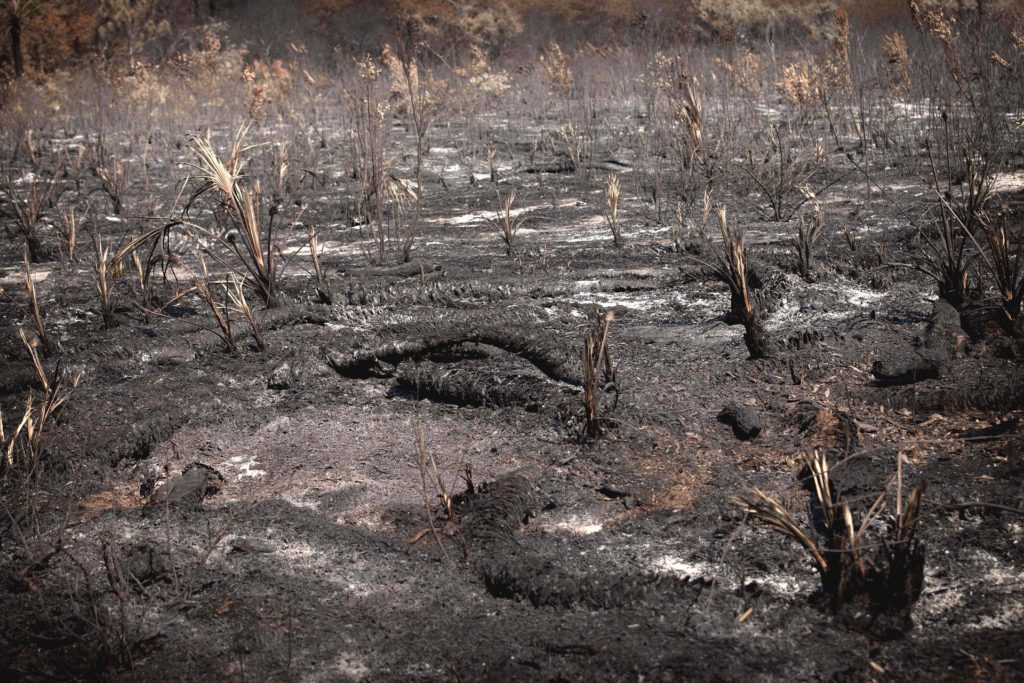
Photo by Pixabay
The Amazon, with a surface of 10 times the size of France, delivers the oxygen we need, regulates a comfortable climate to live and is one of our global biodiversity hotspots. The consequences of the fire are tremendously dangerous.
Local and global. Currently, the fire hit a surface as big as Belgium and it is ongoing! As a consequence of this fire, the Amazon ecosystem can be deregulated and reach a tipping point where the moisture of the Amazon is not able anymore to create clouds, to produce rain. If this happens, we don’t need fires to diminish the forest. The drought will do the rest.
The Amazon is our green lung, providing oxygen and a big carbon sink.
Just 12% of the Amazon has a some kind of protection status. Imagine just 12% of your lungs were secured to keep you healthy and day after day you inhale smoggier oxygen in a smaller part of our lungs.
What would you do?
Correct, you would do everything to improve our situation. To get healthy again. At any cost, because we want to stay alive.
So please. We need action and we need it now! We need to protect what keeps us alive.
Save the Amazon! Save the world. Save Ourselves. Save our Species.
S.O.S.
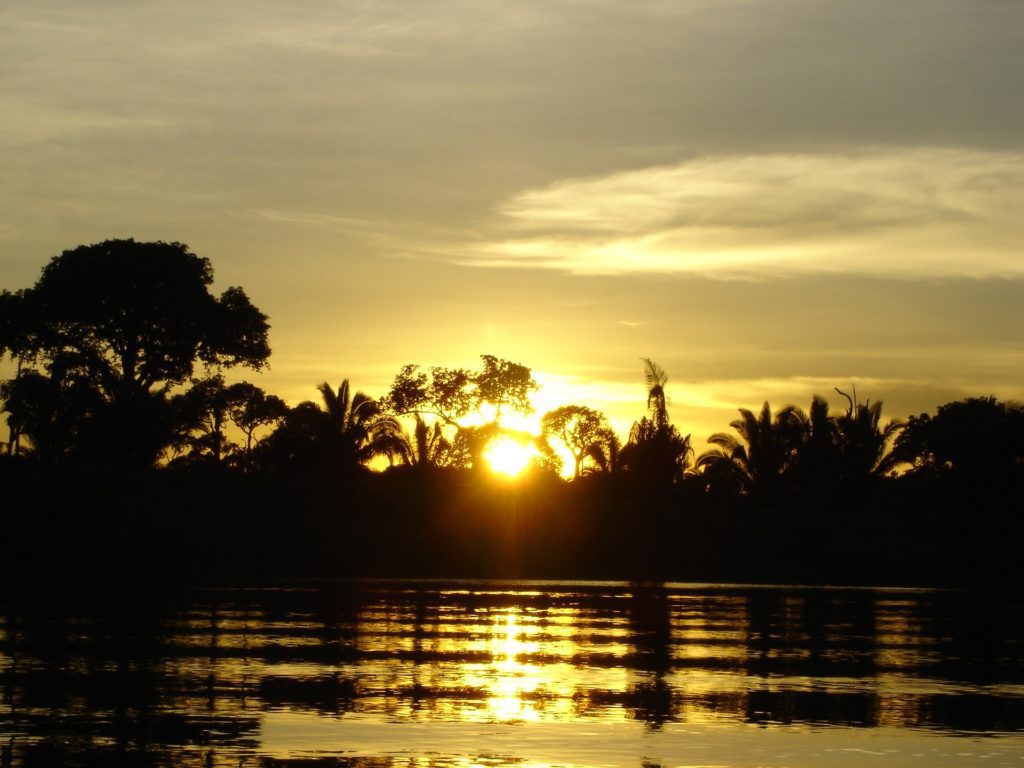
Photo by Pixabay