Sustainable Tourism Meeting in Greece: Parks in Europe looking for a Sustainable Response to Tourism
Tzoumerka
From April 9th – 11th Paramanta town, Greece will be the meeting point for professionals working and interested in sustainable tourism. Technicians working in European nature and national parks, as well as businesses and tour operators, will join the XI Charter Network Meeting to discuss how to provide a sustainable response to the social and cultural challenges that tourism brings.
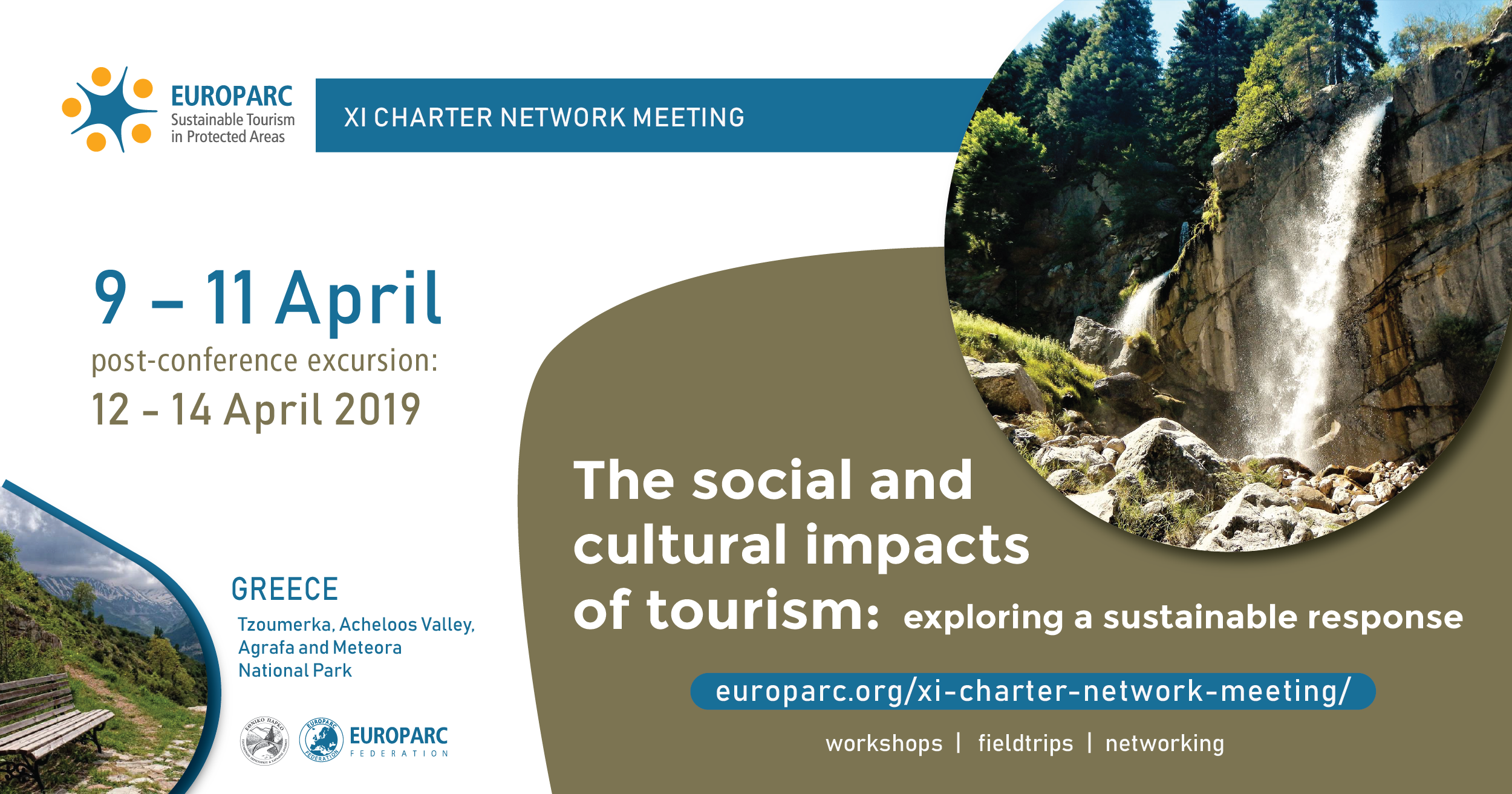
With tourism growing at an unprecedented rate all over Europe, and with the tourism industry currently accounting for over 10% of Europe’s GDP, there are numerous challenges arising in over-visited destinations. One of the invited key speakers will share their experience in managing visitors in one of the most visited parks of Italy, the 5 Terre National Park.
If sustainably managed, tourism has the potential to promote social development through employment creation, economic activities and even strengthen communities through the reaffirmation of culture, tradition, and values. Sofia Pachini from the European Commission- DG Environment will speak about opportunities for sustainable tourism embracing natural and cultural heritage in nature protected areas, and a young entrepreneur will share his success story in building up a tourism business based on the principles of eco and sustainable tourism.

Tzoumerka
While keynote speakers will bring expert consideration of the social and cultural impacts of tourism on communities, practical workshops will give participants the possibility to learn new competences. Storytelling, setting up touristic packages that work, and managing visitor flows in destinations are some of the topics that will be covered in the workshops.
Participation is open to all professionals working for Protected Areas, but also to tourism entrepreneurs and tour agencies working in sustainable tourism. The participation fee is 70€ for EUROPARC members and enterprises working in EUROPARC Sustainable Destinations, and 90€ for non – members.
There will be several networking opportunities, and a full day field trip to discover the Tzoumerka, Acheloos Valley, Agrafa and Meteora National Park. Registrations are open.
>>>>Register here<<<<
If you need any further information you will get them here. You can also download or take a look at the complete agenda here.
Agenda_Charter Network Meeting 2019
The European Charter for Sustainable Tourism in Protected Areas, is a practical management tool implemented in over 100 nature protected areas across Europe. Through a strong participatory process, Protected Areas become EUROPARC Sustainable Destinations: delivering social, economic and environmental benefits to the area, in a way that preserves the existing culture, allowing growth and development.
More information about the European Charter for Sustainable Tourism at: www.europarc.org/sustainable-tourism.
Environmental organisations urge Council of Europe to maintain Bern Convention budget
Ahead of crucial debates on the financing of the Bern Convention, European NGOs have addressed a letter to the Secretary General of the Council of Europe urging it to ensure the financing and proper functioning of the Bern Convention – the Convention on the Conservation of European Wildlife and Natural Habitats.
Facing difficult financial times, the Council of Europe is considering budgetary cuts that inevitably would reduce the Bern Convention’s operations. In their letter, the NGOs reiterate that the Treaty directly benefits Europe’s nature and protected species and are asking decision makers to continue to financially support the Convention.
The Bern Convention
Bern Convention
The Bern Convention aims to ensure conservation of wild flora and fauna and their habitats, affording urgently needed protection to Europe’s’ most threatened species and habitats. Encompassing all countries in the European continent, extending to the Mediterranean region, and including both members and non-members of the European Union, the Bern Convention forms the foremost binding international legal instrument in the field of Nature Conservation in the European region.
On the occasion of the 40th anniversary of the adoption of the Bern Convention, the NGOs call on the Council of Europe and the member countries not to cut down on environment spending and to maintain the Convention’s budget, and especially its compliance system.
Convention’s “Case File system”
The environmental organizations especially emphasize the value of the Convention’s “Case File system”, an open and democratic compliance mechanism that is unparalleled among international treaties. Through this valuable instrument, the public and civil society can raise attention to possible breaches of the Convention, and bring environmental problems in their countries to the international level for discussion. The Convention’s member states can then decide to monitor the issue and adopt Recommendations to urge governments to accelerate conservation efforts. In their letter, the NGOs showcase examples where the system has achieved substantial and tangible improvements.
At a time when numerous achievements have been accomplished, but countless environmental problems still remain, the Bern Convention is an essential tool to preserve Europe’s wildlife and natural heritage for the next generations. It is therefore paramount that the necessary financial means remain at the Convention’s disposal.
Documents:
1. NGO Letter toSecretary General of the Council of Europe
2. About the Bern Convention
3. About the Bern Convention Case File System
4. About the Bern Convention Budgetary issues:
– T-PVS(2018) 6. Concept Paper on the financial mechanism of the Bern Convention.
– T-PVS(2018)15. Additional discussion paper on Agenda item 3.1.
– T-PVS(2018)Misc. List of decisions and adopted texts.
New members from Switzerland and France
Landschaftspark Binntal Photo Brigitte Wolf
Binntal Nature Park
Landschaftspark Binntal – Photo Brigitte Wolf
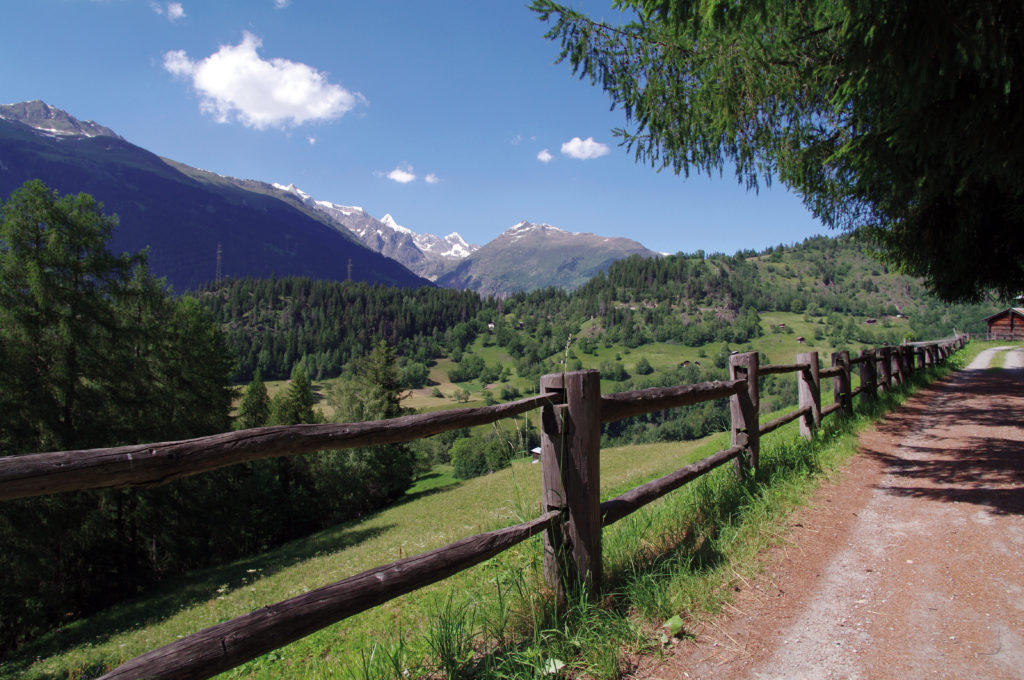
Binntal Nature Park is a regional platform for the conservation of the rich natural and cultural heritage, ensuring sustainable economic activities and strengthening the cohesion of the population.
Landschaftspark Binntal – Photo Brigitte Wolf
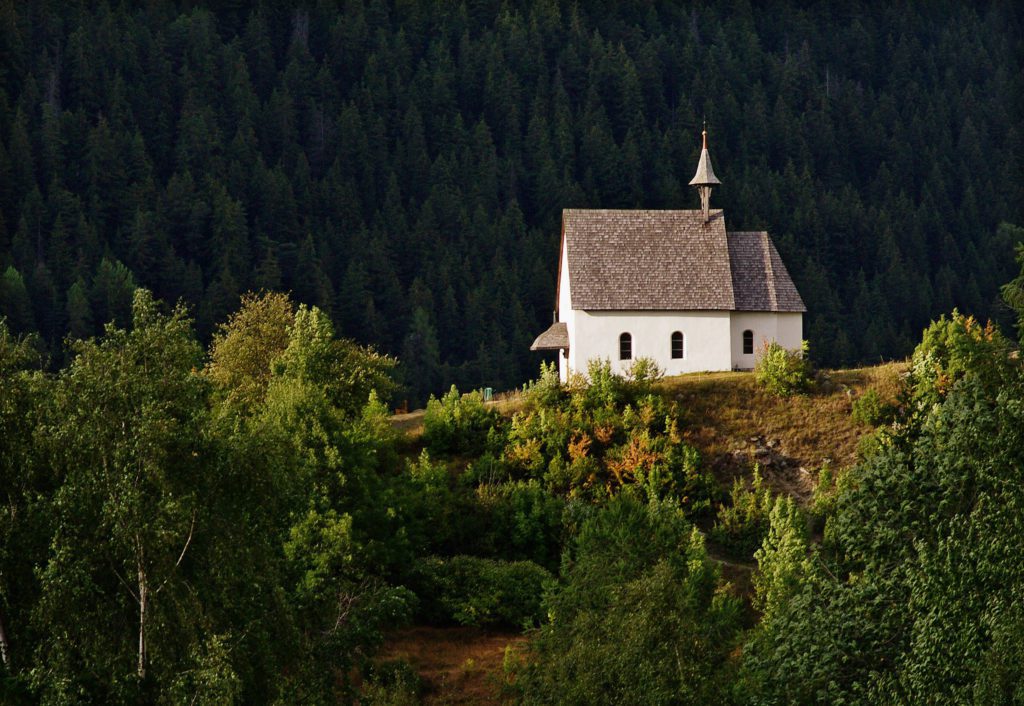
Binntal Nature Park has been the first protected area in the entire Canton of Valais that was recognized as “regional nature park of national importance” by the Swiss Government in the year 2011.
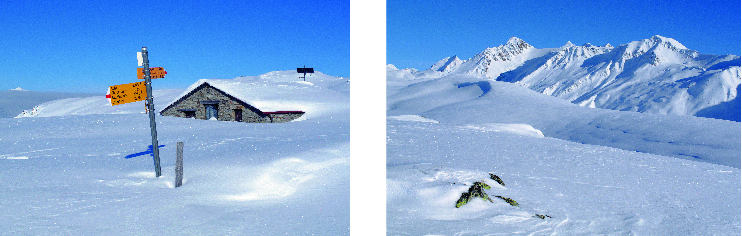
Landschaftspark Binntal
Photo Brigitte Wolf
Binntal is known as “the valley of hidden treasures” and for its wealth of geological resources. Nature has made the Binn valley one of the regions of the Alps richest in mineral deposits. Up until now, 273 different minerals have been discovered, 23 are unique in the world.
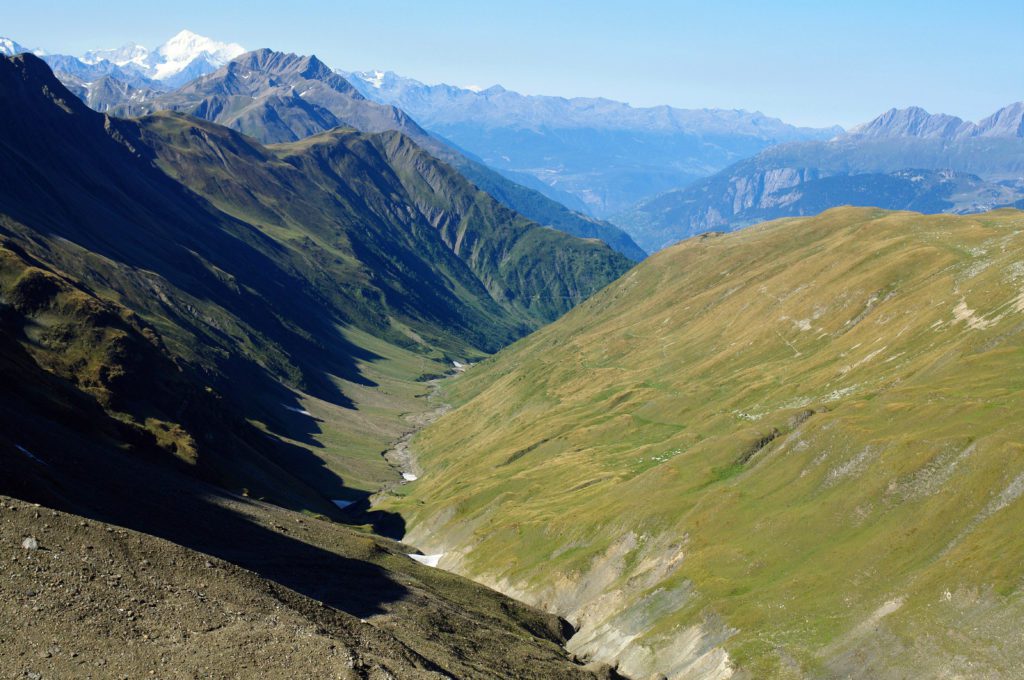
Landschaftspark Binntal
Photo Brigitte Wolf
Flora and fauna are utterly diverse, too. 184 animal and plant species that are on the red list have been found in Binntal Nature Park. The diversity of animals, plants, and habitats is astonishing: low-moor bogs, dry neglected grassland, dark spruce forests, barren alpine pastures, lush meadows, glacier forelands, sparse pine forests, dark mountain lakes, rock steppes, old fields, alpine meadows and much more, form a varied mosaic.
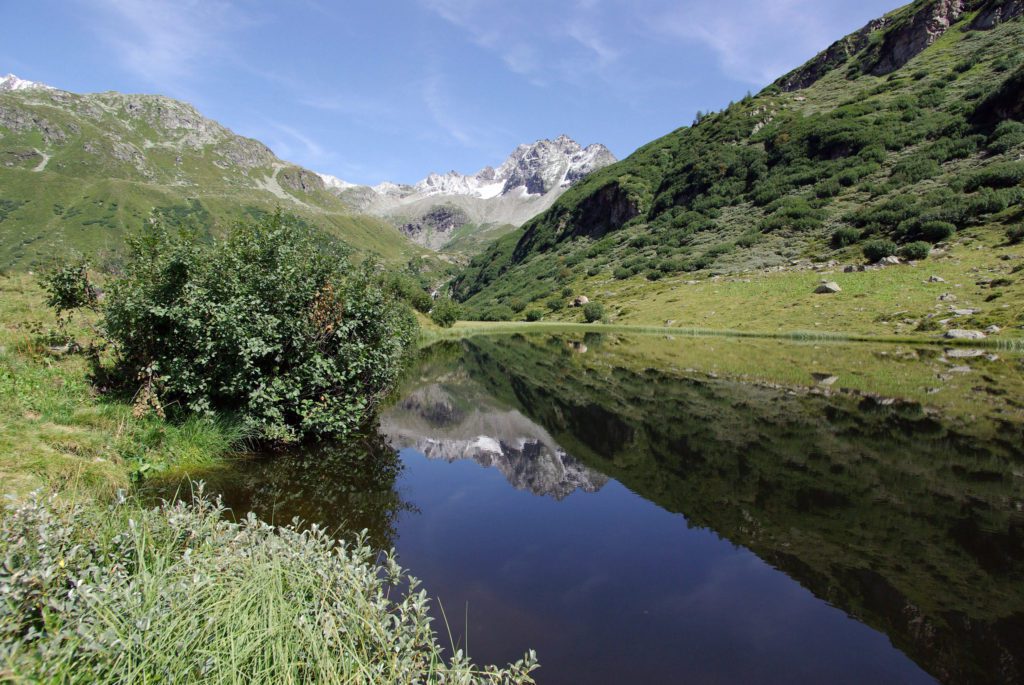
Landschaftspark Binntal
Photo Brigitte Wolf
Lynchets, hay meadows, alpine pastures, paths, dry-stone walls, stables, barns, and alpine cabins shape the traditional cultural landscape and bear witness to the diligence and hard work of past generations.
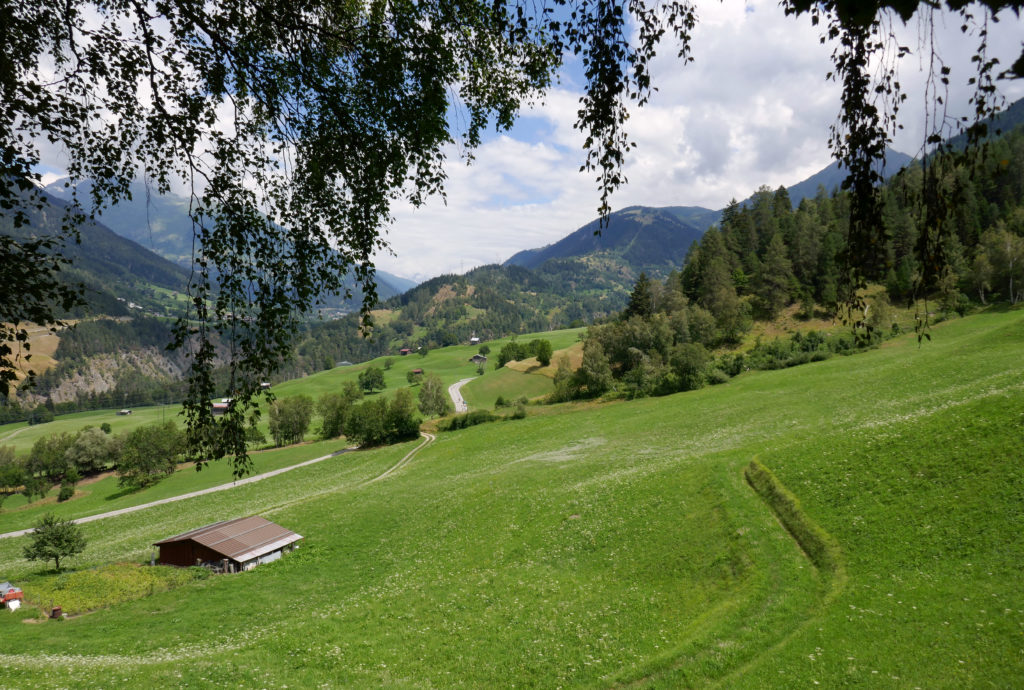
Landschaftspark Binntal
Photo Brigitte Wolf
The villages and hamlets with their dark houses made of sun-kissed larch wood are so beautiful and well preserved that they were incorporated into the Federal Inventory of Objects of National Importance.
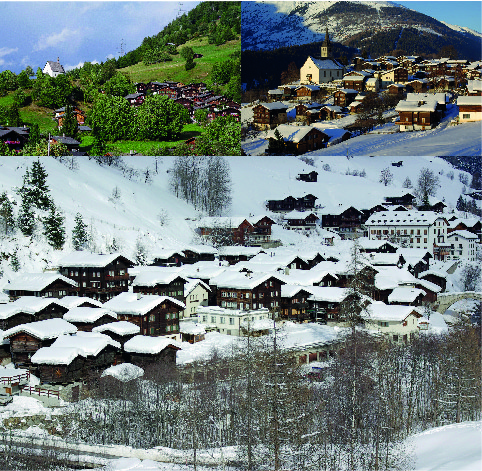
Landschaftspark Binntal Brigitte Wolf
Since the start of the second part of the 20th century, the regional economy has been undergoing a long-lasting structural change from an agrarian to a service society including a shift from jobs in agriculture to jobs in the service sector.
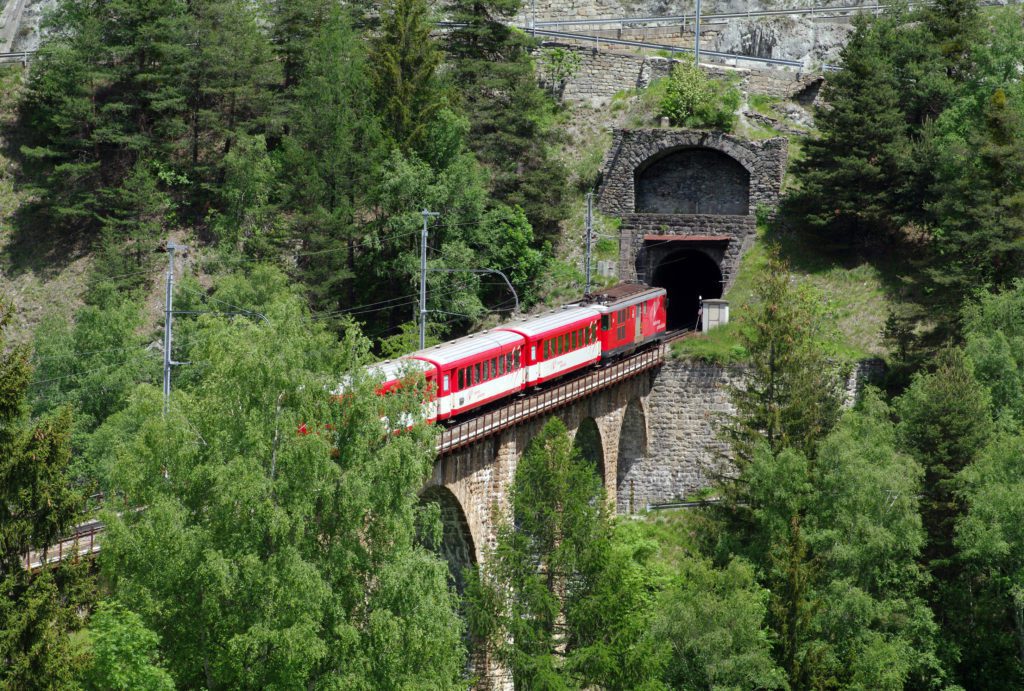
Landschaftspark Binntal Photo Brigitte Wolf
During this transformation many jobs have been lost in the areas of craftsmanship and trade. Some of them could be replaced due to the growth of the service industry, which was especially induced through tourism.
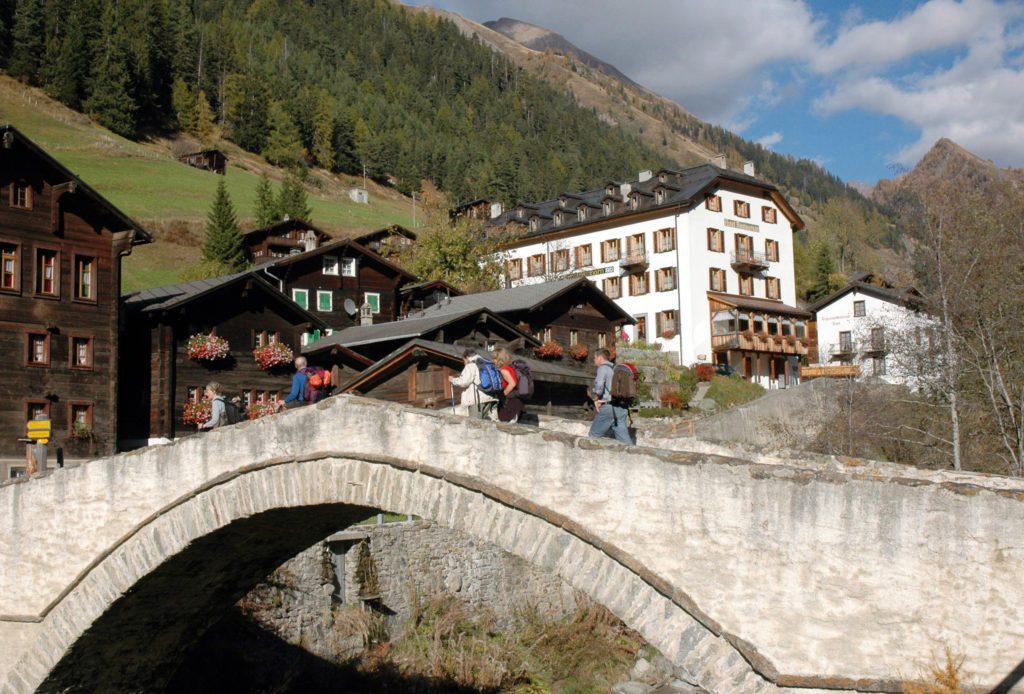
Landschaftspark Binntal
Photo Brigitte Wolf
The effects that urbanization and globalization had on the agglomerations and depletion of the peripheral regions, which are the results of the concentration of growth, have been noticeable since the mid-90s.
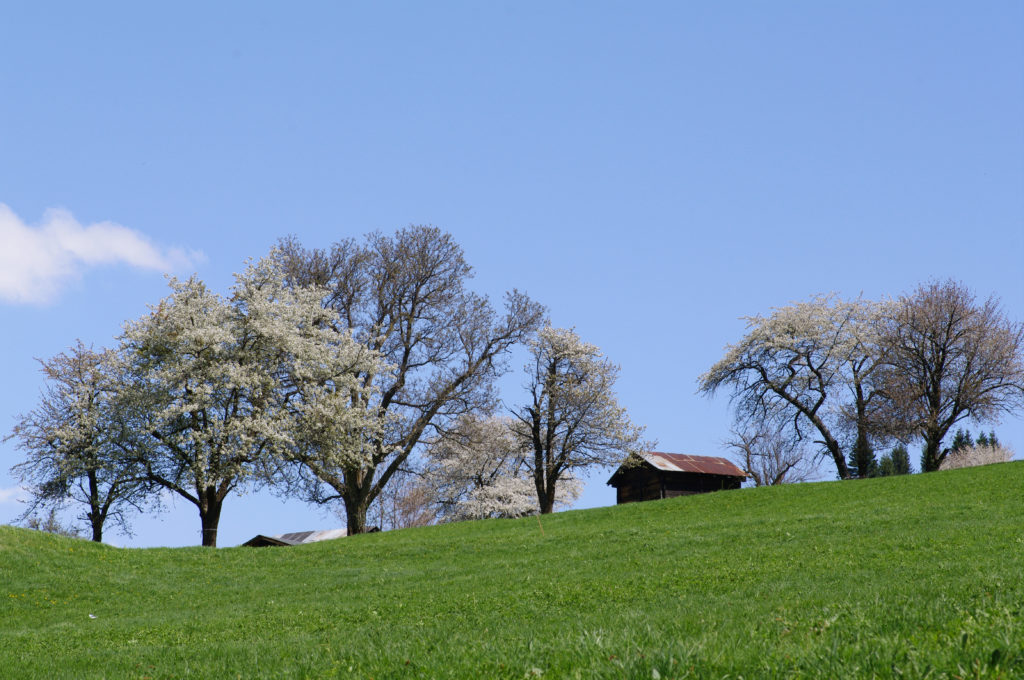
Landschaftspark Binntal
Photo Brigitte Wolf
Le mans metropole arche de la nature
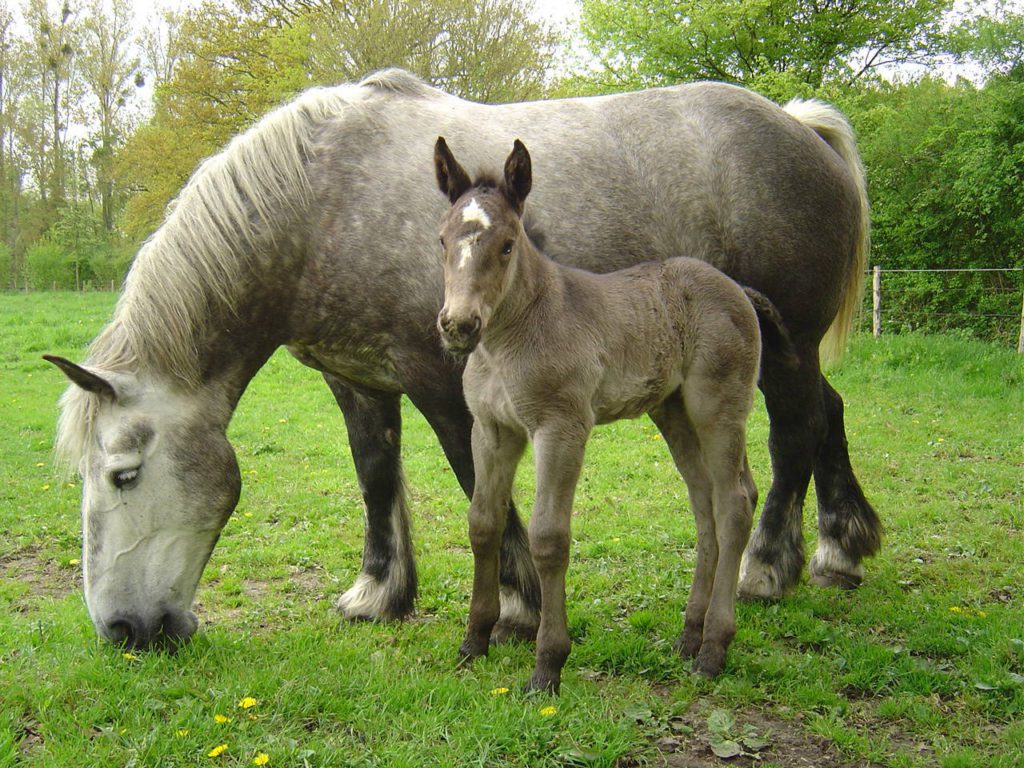
Le mans metropole arche Photo crédits Ville du Mans
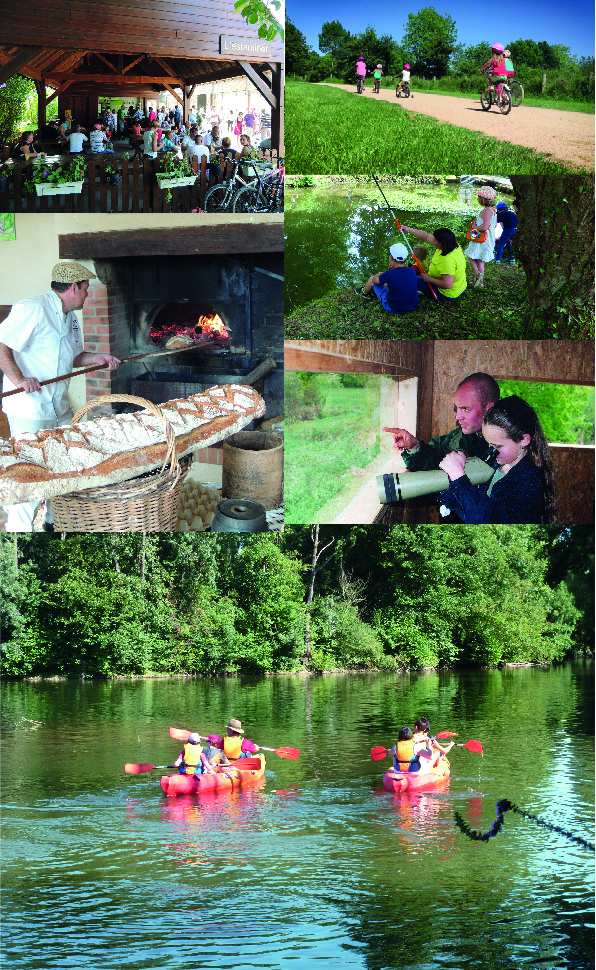
Located ten minutes from downtown Le Mans and a few meters from the Abbey of Epau, the Domaine de l’Arche de la Nature offers visitors a vast natural space that represents the main landscapes of the Sarthe region.
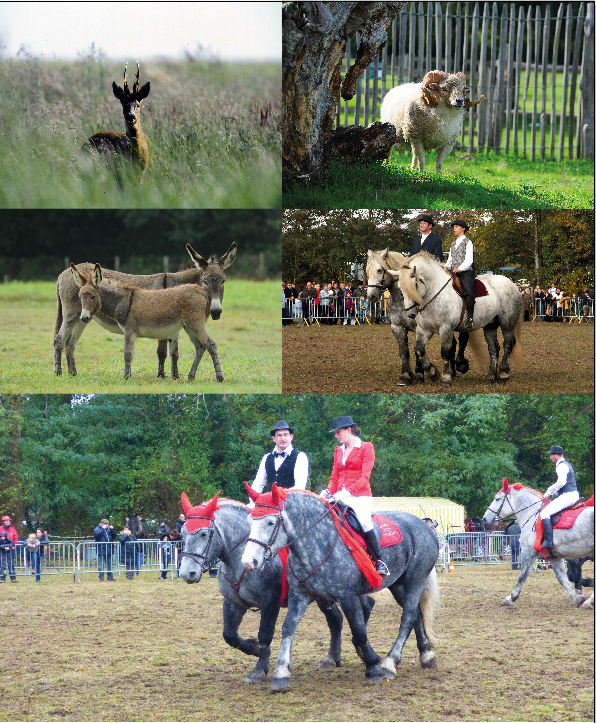
Photo crédits Ville du Mans
Along the way, visitors will discover the river, the forest, the countryside and can visit the Water House, the Forest House, and the Maison de la Prairie. The sports fields and playgrounds for children will delight young and old alike. In all, 450 hectares of nature are permanently open to the public.
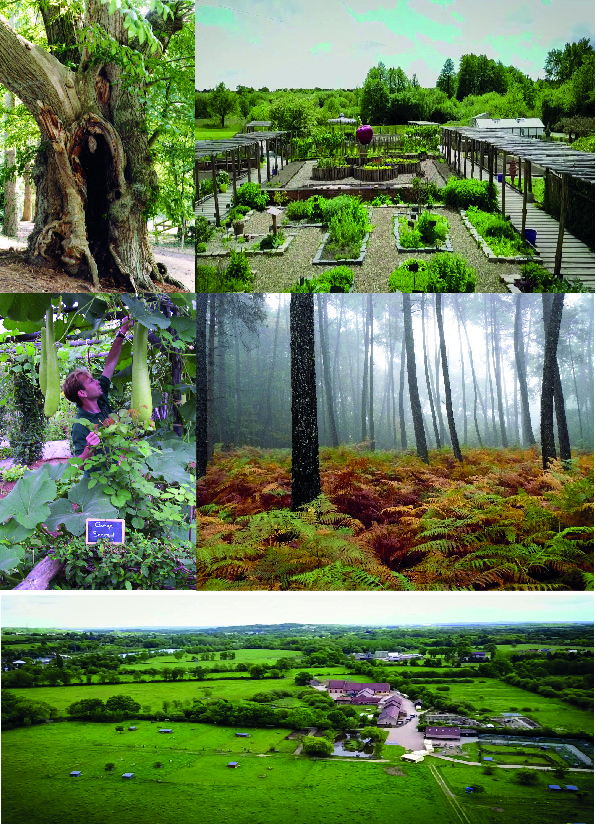
Le mans metropole arche Photo crédits Ville du Mans
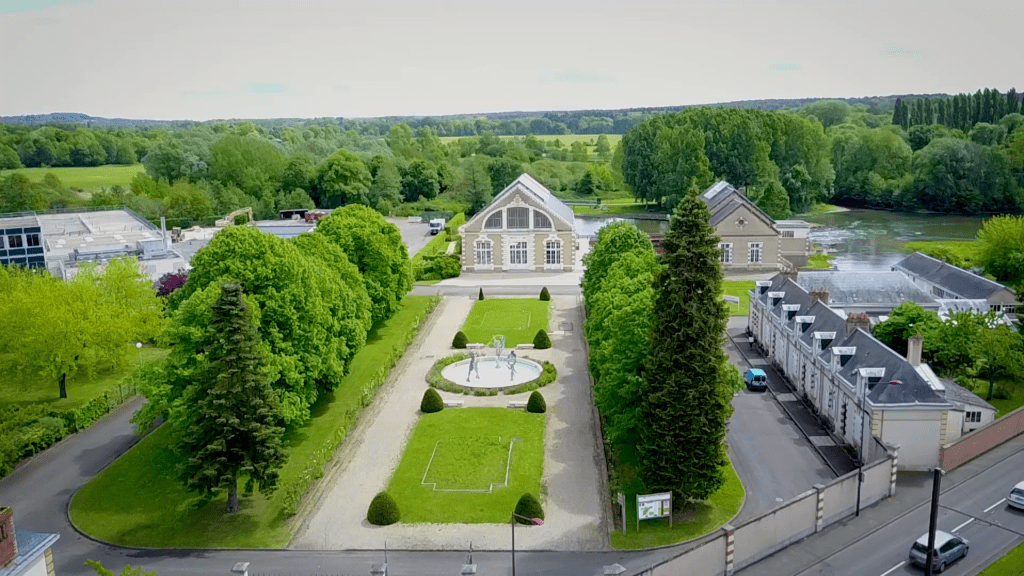
Le mans metropole arche Photo crédits Ville du Mans
Since 1997, L’Arche de la Nature has been offering its many nature events. This natural space, created and managed by Le Mans Métropole, combines a spirit of discovery of nature with relaxation, particularly during major thematic popular festivals that welcome more than 70,000 visitors each year.
Le mans metropole arche Photo crédits Ville du Mans
Farmer’s Pride: your answers are needed!
Farmer’s Pride’) is a three year EU-funded project which started in November 2017.
Farmer’s Pride is a European Union funded project involving a diverse range of stakeholders. They are building a collaborative network for on-site conservation and sustainable use of Europe’s plant diversity for food, nutrition and economic security throughout the region. They are currently running 2 surveys, and your participation is needed!
Establishing a European Network
To help establish a new European network of conservation sites and stakeholders, they are reaching out to identify individuals and organizations involved or with an interest in the conservation of wild and cultivated plant genetic resources (crop wild relatives and traditional local varieties, or landraces), whether in farms, gardens, allotment sites, protected and non-protected areas.
The survey is relevant to all stakeholders, including agro-NGOs, civil society organizations, farmers and gardeners, nature conservation NGOs, plant breeding/seed companies, policy-makers, protected area managers, research institutes, seed/gene banks, and any related networks or other relevant organizations.
Take the short stakeholder survey.
The survey is available in Dutch, English, Finnish, French, German, Greek, Hungarian, Italian, Spanish and Turkish.
Strengthening in situ conservation
The Farmer’s Pride project is also responding to a call for action to enhance and strengthen in situ conservation and sustainable use of plant genetic resources (PGR) in Europe. The focus of the project is on conserving the diversity that exists in both wild and cultivated populations of species important for food, nutrition and economic security in the region.
The European Network for In Situ Conservation and Sustainable Use of Plant Genetic Resources will comprise a network of both stakeholders and sites across Europe. It will establish a mechanism for coordinated action on PGR conservation in situ in the region, with a view to ensuring that the diversity needed for continual crop enhancement and adaptation is available for future use.
Take part in the survey which seeks to identify ‘in situ’ conservation action for crop wild relatives.
It is aimed at those involved in practical conservation of protected areas and wild plant populations in non-protected areas.
They are interested in active conservation (involving direct actions on the target species, such as monitoring, habitat improvement, herbivory control, etc.) as opposed to passive conservation (conferred by the mere presence of the species in a protected area). By gathering this information, we intend to obtain an overview of existing in situ crop wild relative conservation actions and to develop a network showcase that illustrates best practices and examples for their conservation in Europe.
For more information visit: http://www.farmerspride.eu/