The beginning of something new: the EUROPARC Youth Manifesto
EUROPARC Youth Manifesto
A Call for Change in Rural Communities and Protected Areas
By Steffi Burger

During 2018, the EUROPARC network could feel something was moving: a Youth Manifesto was in the making. Young people were making themselves more and more visible within the network: ready to have their voices heard by the Federation and Protected Areas across Europe and ready to question the status quo. After its official launch at the EUROPARC Conference 2018 in the Cairngorms National Park, there was no way to avoid noticing the EUROPARC Youth Manifesto.
Put forward by a group of committed youngsters aged 15 to 25 growing up in parks and rural areas all over Europe, the EUROPARC Youth Manifesto sparks ideas for the involvement of young people in nature and calls on decision-makers to empower the younger generation in shaping the governance of our common parks and rural places.
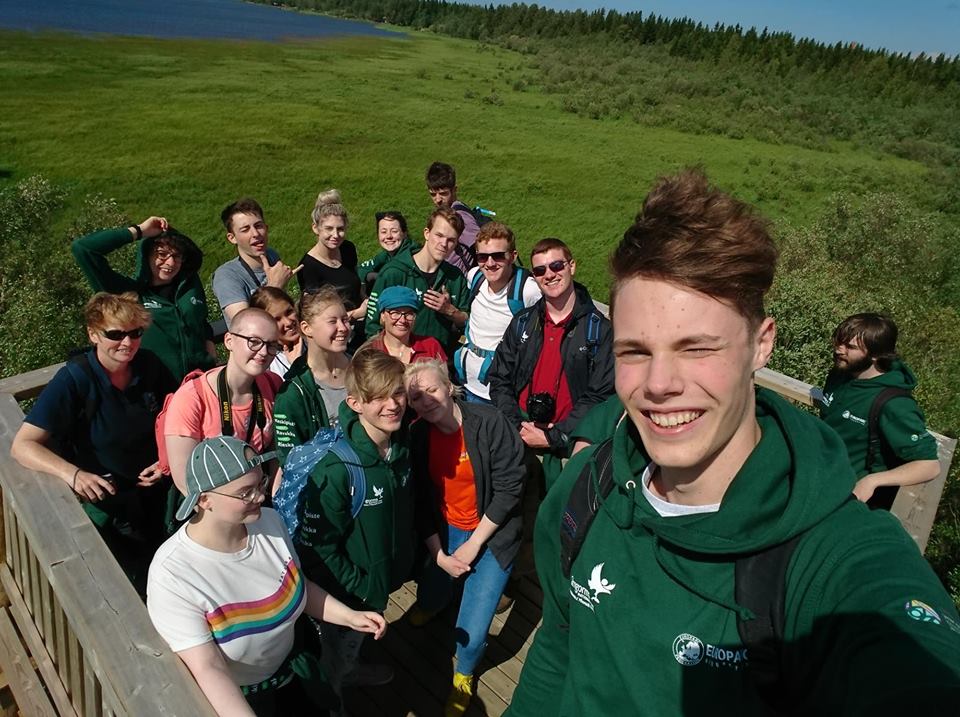
Youth exploring the surroundings in Kalajoki.
Why a EUROPARC Youth Manifesto?
“We are the next generation of people who will live and work in rural and Protected Areas. However, we are leaving. Leaving to find easier lives in the big cities – and with us leaving, our nature will begin to wither.” (EUROPARC Youth Manifesto Project, EUROPARC Conference 2018, Cairngorms National Park)
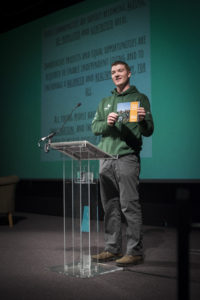
Youth Manifesto presentation
Across Europe, rural communities face similar challenges: they struggle with an image of clinging onto traditions, neglecting societal changes and not picking up opportunities arising through technology. Young people and families are the future of rural places in Europe, and yet they are increasingly moving to bigger cities, that promise good education, viable jobs, more diverse career opportunities, reliable infrastructure, tolerant mindsets and greater freedom for self-development.
“This must change: We must engage young people with nature and support them to experience what fantastic places rural and Protected Areas are to live in.”
Many youngsters want to stay, but it proves a challenge to provide enough infrastructure for social activities, affordable housing and attractive, long-term job prospects for young professionals to make a living in rural areas. Protected Areas, likewise, often find it hard to attract youngsters and encourage them to engage more with the natural environment.
“To achieve change, we must first resolve the issues young people face by staying in these areas.”
If they open up to embrace change and listen to young people, rural places hold great potential to support the younger generation: to experience the beneficial effects the outdoors can hold for their health and personal development; to allow them the chance to develop a deeper sense of connection and responsibility to look after our nature.
How can we understand the challenges young people face living in these places – and how can we tackle them? Let’s ask the youth and listen:
Between May and September, a diverse group of youngsters aged 15-25 from across Europe came together in two face-to-face workshops and collaborated online to exchange their personal experience and map out the challenges young people face when living, learning and working rurally.
They discussed common challenges and inspired each other with successful examples from their regions, where cooperation across generations and youth-led initiatives are already successfully co-creating sustainable solutions. The workshops were all about experience sharing, creating ideas and drafting the Manifesto. Working groups came up with some very concrete ideas about how to support young people in building a good life in rural and Protected Areas: ideas that allow their voices to be heard more intently by decision-makers at a local level.
The youth proposals include:
- running youth empowerment workshops;
- training provision for decision-makers on how to better empathize and communicate with young people;
- and, installing Youth Councils or having a young person representing youth interests in councils and boards.
Read all the Youth proposals from the EUROPARC Youth Manifesto –available for download in several languages at https://www.europarc.org/youth-manifesto/
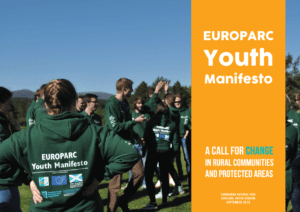
EUROPARC Youth Manifesto
Inspired by the next Generation at EUROPARC Conference 2018
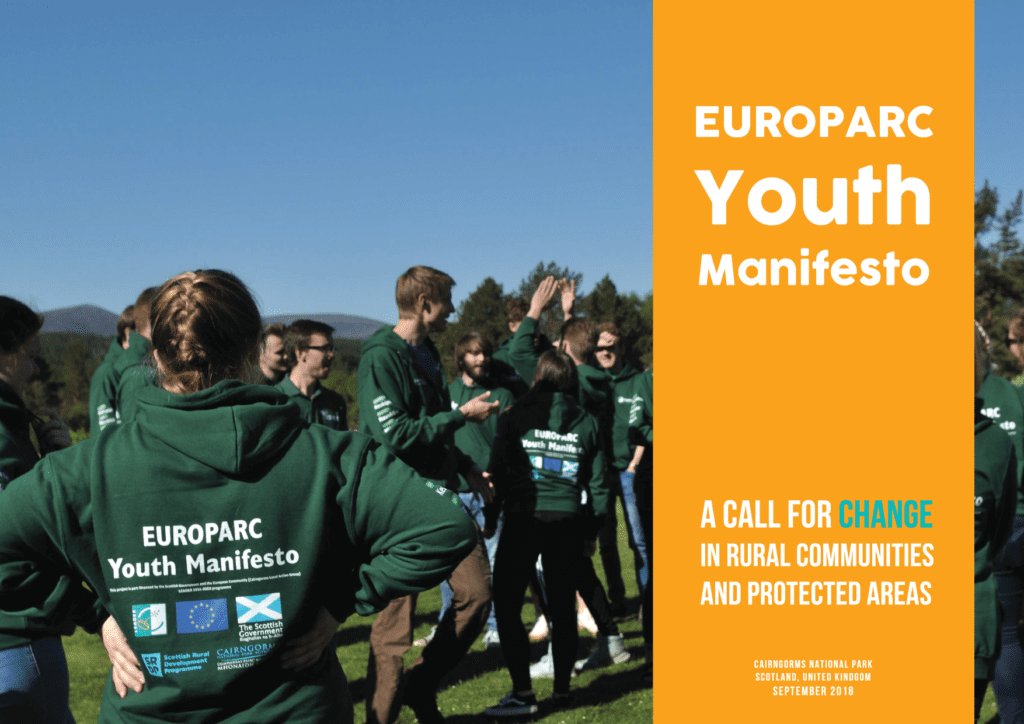
After months of online and offline co-creation, the young participants finally launched the EUROPARC Youth Manifesto on the final day of the EUROPARC Conference 2018. Delegates had become curious to learn from the youth – tremendous excitement for the release of the Manifesto built-up throughout the Conference. Over 60 youngsters from the project were around making their presence known!
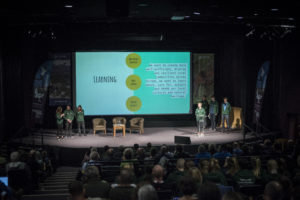
Launch of the EUROPARC Youth Manifesto at EUROPARC Conference 2018, Scotland
Dressed up in their green sweaters, young people engaged with delegates during activities, displayed the project at their bright purple info stand and made themselves heard unexpectedly, stirring up the Conference programme with several surprises. A short theatre performance and a flashmob showed in a playful way that youth are capable to contribute what it is needed to create a sustainable future: creativity, joy, and some fresh ideas.
The pledges made by the youth on stage at the official launch fell on fertile ground. Young people pitched their pledges to delegates supported with examples from their personal lives growing up in rural areas. Their clear message reached delegates who, thriving off the inspiration sparked by the youngsters with their Manifesto launch, rushed to the Manifesto stand to get their printed copies and discuss ideas with the young ambassadors on the spot.
Obviously, youngsters didn’t only want to talk about joining forces; there have been enough nice words in the past. It is now time for action and joining forces in practice! Initial project ideas were discussed and some of the youngsters had the chance to work out concrete plans for follow-up action with delegates and authorities in their parks and communities once back home.
The younger generations of today are the ones in charge to shape and manage our communities and parks tomorrow – they should be involved in the management and decision-making already today. All you need to respond with is an open mind, curiosity to learn with the youth and trust that creating together is the way forward.
“We are ready to take action with you – now we need you to respond” (EUROPARC Youth Manifesto Project 2018)
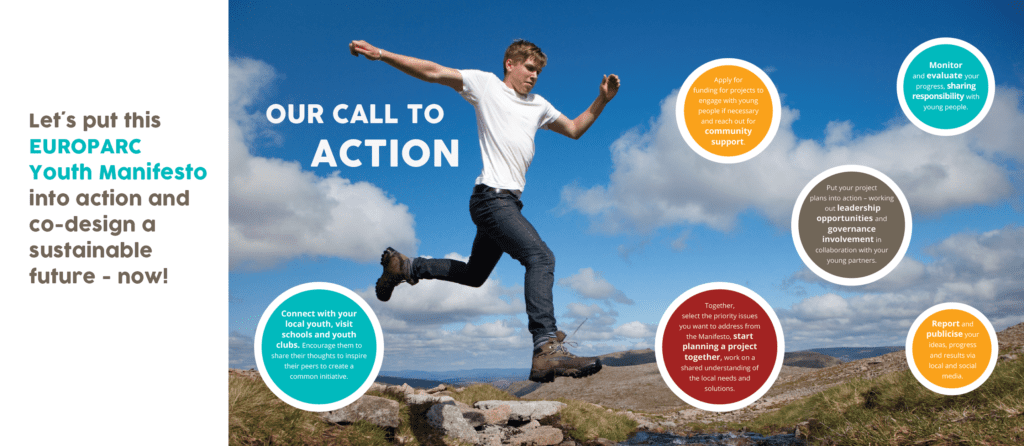
EUROPARC Youth Manifesto
What’s next?
Taking action and implementing change with the EUROPARC Youth Manifesto
The Youth Manifesto is now out there. Addressing decision-makers, but inviting initiative from all of us living, learning and working in parks and rural areas together. It provides you with ideas to kick-off concrete projects in your areas and is a powerful back-up reference document when talking to your local authorities, decision-makers, park managers and when engaging with youth in your community.
“Looking forward to making some headway internally within our National Park. We are doing a presentation to our board of members at the next Authority meeting, we are also in the process of setting up a youth forum!! Exciting times.”
Katy Foxord, youth involved in the Manifesto project
The EUROPARC Youth Manifesto was created as an output of a transnational LEADER project, led by the Cairngorms National Park Authority in collaboration with the three Finnish LEADER groups Rieska, Keskipiste, and Ravakka; the Cairngorms Local Action Group; Scottish Natural Heritage; Young Scot and the EUROPARC Federation. The project supported the Scottish Year of Young People 2018 and will continue into a second year.
Interview with Steffan Gwynn (23),

Steffan Gwynn
Snowdonia, North Wales
From your experience: What is the greatest challenge you face / your peers face living, learning, working in your area?
· Living: Lack of affordable houses and terrible public transport.
· Learning: Lack of opportunities to learn locally.
· Working: A lot of the work is seasonal – especially that which is based on tourism.
What do you think: Why should your own community/park use the Manifesto?
Snowdonia could really use the Manifesto to provide a platform for young people to get involved with all aspects of the work of the park, to create a sense of shared identity based upon place and to locate the park within a broader family of European protected areas – there’s no denying that foreign travel and the world outside is a really appealing prospect to many young people.
If you had a free wish (or the time, money and power it takes): what project would you start with your friends in your community to make it a better place for youngsters to live, learn and work in?
Better infrastructure – running commuter trains side-by-side with the steam trains that are run for tourists over the summer; electric car charging stations; electric bike subsidies; a regular bus service.
Interview with Laura Peters (23),
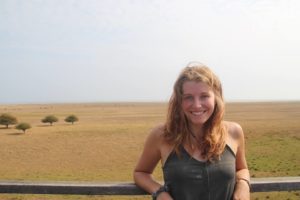
Zwolle, Netherlands,
EUROPARC Youth+ Ambassador and Representative in EUROPARC Council
From your experience: What is the greatest challenge you face / your peers face living, learning, working in your area?
The major challenge would be “living”: There aren’t many places to rent, usually only bigger houses that are for sale.
What do you think: Why should your own community/park use the Manifesto?
It is a really great way to help the youth in your area, and you can decide for yourself which parts are applicable and that need action.
If you had a free wish (or the time, money and power it takes): what project would you start with your friends in your community to make it a better place for youngsters to live, learn and work in?
Give the Junior Ranger programme a boost and make sure there is a budget for Youth+ activities!
Make sure you keep us posted about your ideas youth@europarc.org – we’re thrilled to learn about your projects inspired by the Manifesto and make them visible throughout our European network. Let’s take action for change and co-create sustainable Protected Areas and resilient communities!
You found this topic interesting? To find more articles like this one, download the new edition of the EUROPARC Journal Protected Areas In-Sight with a special focus on youth involvement Parks – available in english, german and french!
Cairngorms Youth Steering Group: actions following the launch of the EUROPARC Youth Manifesto
After months of hard work and travelling, the EUROPARC Youth Manifesto was launched at the EUROPARC Conference in the Cairngorms National Park on Friday 21st September 2018.
The call to action was put out by the young people who brought the manifesto to fruition asking for organisations and communities to engage with their young people to create new opportunities for living, learning and working in rural communities and protected areas.
In response to this call for action the Cairngorms National Park Authority board has agreed on a project to develop a youth group in the Cairngorms to take forward some of the recommendations of the EUROPARC Youth Manifesto. This is the Cairngorms National Park Youth Project.
The Cairngorms Youth Steering Group
Nineteen young people aged 16-30 have been recruited to form a steering group that will co-design a Cairngorms National Park Youth Group:
- To be the voice of young people in the Park.
- To develop a procedure to fund young people’s ideas about living, learning and working in the Park.
- To put on exciting and innovative events for young people in the Park.
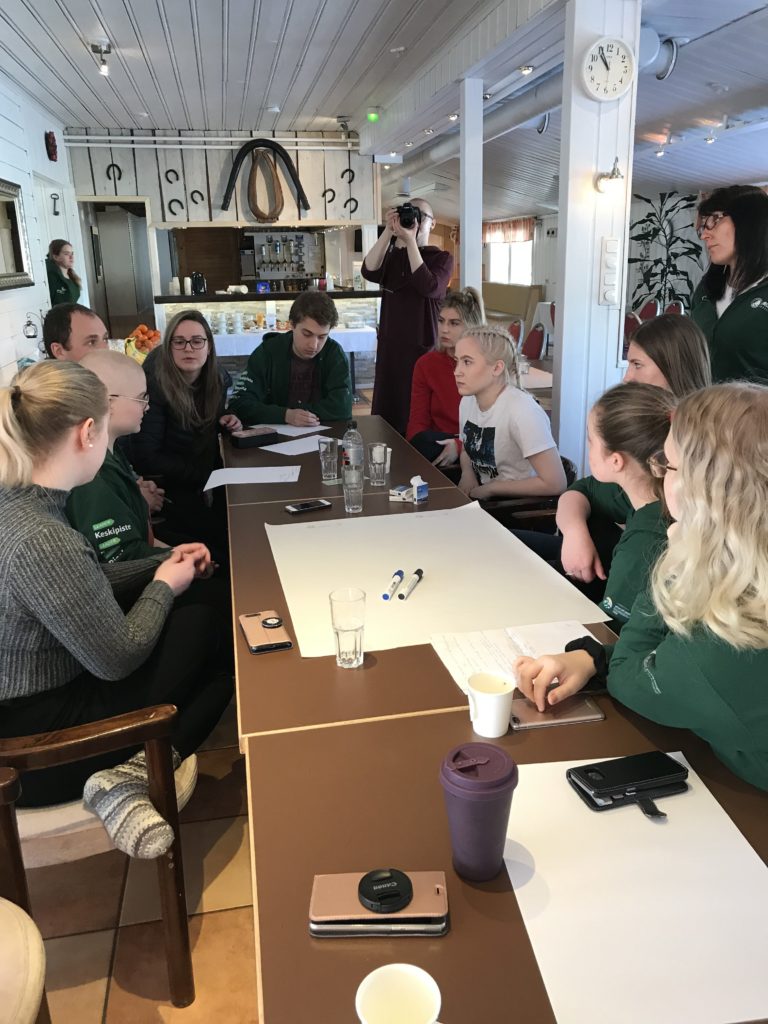
The steering group continues to work with Finnish friends from Rieska LEADER, Keskipiste LEADER and Ravakka LEADER and other partners at a series of exciting and inspiring workshops and events :
They will also attend the 2019 EUROPARC Conference in Latvia from 24-27 September!
The steering group has been working hard and have completed a number of important tasks :
- Agreed on a name for the project, youth group, and a project hashtag.
- Developed a model for the proposed youth group.
- Devised a proposed remit for the youth group including guidelines on how it should operate.
- Organised an exciting and inspiring workshop for our transnational partners.
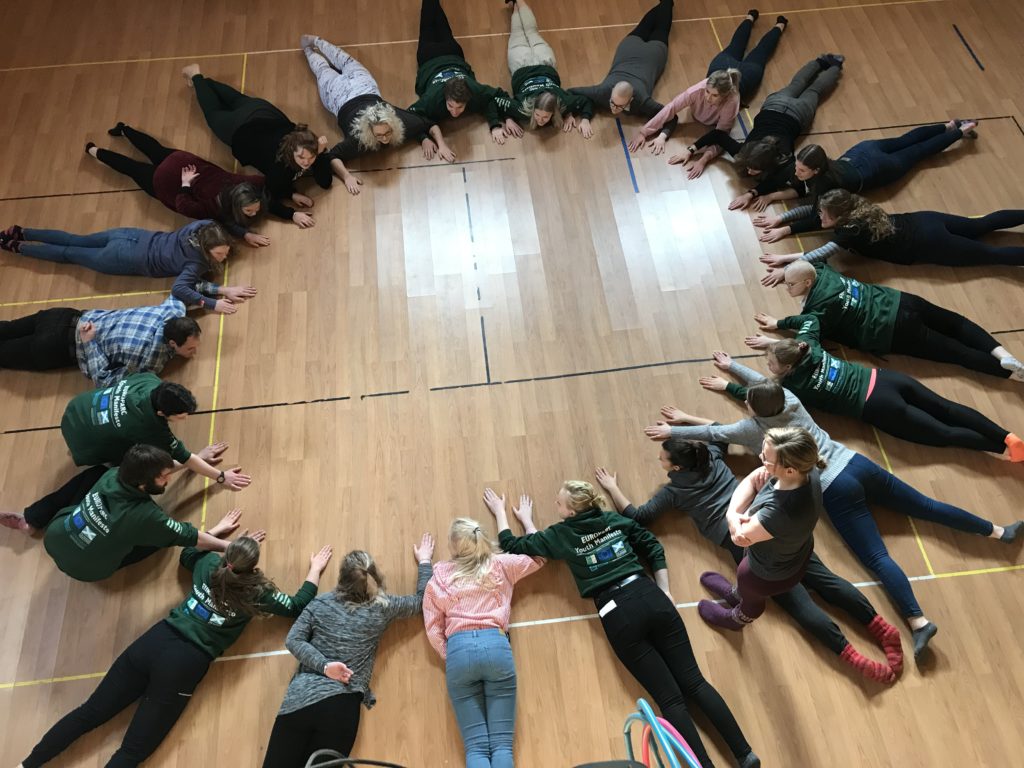
Strengthening Communities Conference
As part of the HIE Strengthening Communities Conference youth members of the Cairngorms NP Youth steering group facilitated group discussions at a fringe event for conference delegates.
Here are some highlights of the questions they responded to:
What are the best ways for your community or organisation to engage with young people in your local area?
- Go to where young people are
- Let them organise
- Give opportunities to influence
- Connect people through nature
- Get young people involved from an earlier age – to be a valued part of the community
- Giving young people ownership of projects
What ideas can you think of to deal with the issues expressed by young people in the EUROPARC Youth Manifesto around living or learning or working or youth empowerment?
- Electric bikes and more charging points for electric vehicles
- Stronger broadband – internet access creates more opportunities
- Integration of ages in a social setting – bring people together allowing them to collaborate
- Splitting big buildings into smaller affordable units for young people.
- More nature education
- Internships during summer for students – related to heritage and conservation
- Encourage and foster entrepreneurship – ‘Fit for Work’ sessions
- Strong links between education providers and job providers.
- Break the ‘who you know’ mentality – ensure it is fair – avoid nepotism.
- The Manifesto needs to be taken into schools not just relying on social media to do the job
We need urgently UN Green Helmets to save our planet!

Article issued by Ignace Schops
Article issued by Ignace Schops, EUROPARC President
The way in which we have organised our (Western) society has to change! Completely and different. Sustainable and in harmony with our mother earth. Ecologically and socially.
With the publication “Limits to Growth”, the book of the Club of Rome in 1972, a first warning was given not to destroy our planet any further for the sake of quick profit. The loss of ecosystems and the extinction of plant and animal species are being described dizzyingly faster than ever before. In the latest Intergovernmental Science-Policy Platform on Biodiversity and Ecosystem Services (IPBES) report, the researchers warn of the loss of one million species in the coming decades. In addition, there are dangerous consequences of climate change.
You should know that the climate bullet has already left the gun!
For the simple reason that there is a delay of 30 to 40 years between the emission of greenhouse gases and the weather effects, we see today. The weather phenomena we are experiencing now, the heat waves, floods and hurricanes, are the result of the emissions of the eighties and nineties of the last century.
Knowing that emissions have doubled since then, we must be aware that there is still something to come. The task is therefore simple: to mitigate the impact of the climate bullet as much as possible and to prevent another, more deadly, climate bullet from following.
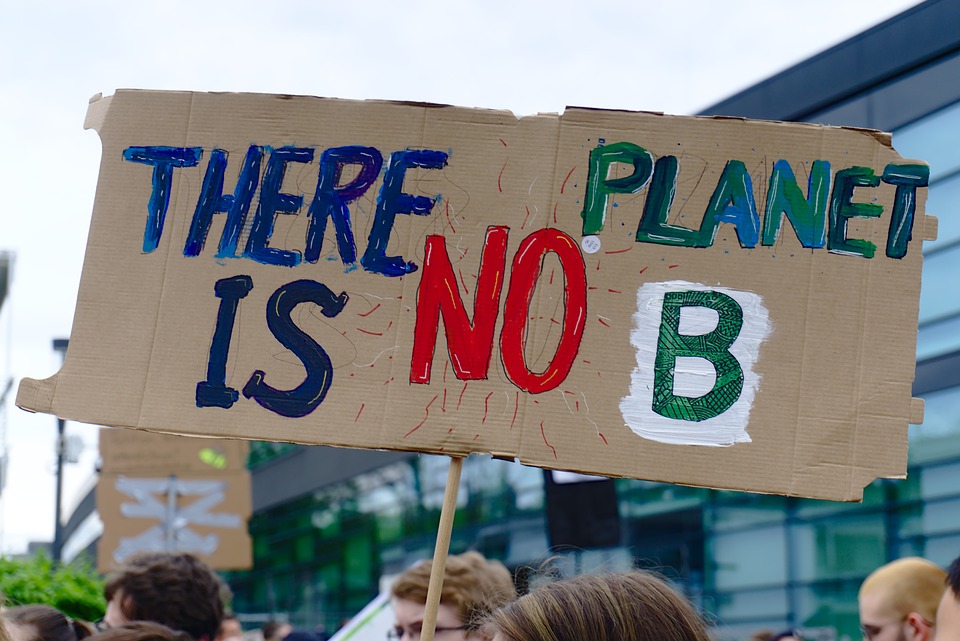
Fortunately, there are people, organisations and groups who stand up and shout loudly, organise protest marches and start climate issues. Fortunately, there are young people like Greta Thunberg who called millions of youth to action. And all this out of love for our planet…
There is a need for a new Moonshot: Calling for UN Green Helmets
The creation and installation of “UN Green Helmets” is such a Moonshot. UN Green Helmets can quickly and effectively give a huge boost to saving our planet.
Where the UN Blue Helmets keep the peace, the UN Green Helmets can protect and activate the stability of our ecosystems and combat dangerous climate change.
UN Green Helmets can massively plant trees, still the fastest and most inexpensive solution to climate change and ecosystem degradation. They can prepare areas to harvest water in times of drought; they can restore ecosystems and protect elephants and rhinos from poachers, …
In September this year, Antonio Guterres, Secretary-General of the United Nations, is convening world leaders for an additional climate summit in New York. It is up to our representatives to push the establishment of the UN Green Helmets politically in order to prevent us from continuing to destroy what keeps us alive.
“Large Carnivores: the latest updates on the EU Platform on Coexistence”
Common Agricultural Policy (CAP) and large carnivore coexistence
The Commission legislative proposals for the new Common Agricultural Policy (CAP) after 2020 provide an opportunity for the EU and Member States, with the input of key stakeholders, to further tailor and design specific measures to support biodiversity and farming systems that deliver environmental benefits. This includes protecting livestock farming from potential damages caused by large carnivores. Financial support to protect livestock against large carnivores and compensate for damages caused, are important elements for reducing impact on livestock and resulting conflict but will not suffice without other communication and exchange actions.
Preliminary information presented to the EU Platform members at their plenary meeting in May 2019, suggests that not all Member States are fully identifying coexistence measures in their Priority Action Frameworks (PAFs), identifying their priorities and funding needs for the implementation of the Nature Directives for 2021-2027. To reduce conflicts related to large carnivores across the EU, it is essential that the European Commission, the Member State managing authorities and the concerned stakeholders on the EU to local level, work together to find solutions and ensure that all the existing funding and support opportunities are taken up. The EU Platform members therefore agreed a statement listing a number of recommendations for the European Commission, managing authorities and stakeholders on how to work together to include relevant measures in their PAFs and in the CAP and national funding.
Update on regional platforms and local platforms on large carnivores
The EU Platform aims to engage with similar regional groupings which focus on conflict around large carnivore presence in different areas in the EU. The two EU-funded projects on the establishment of regional platforms on people and large carnivores work together with stakeholders to discuss issues around large carnivore coexistence on the national, regional or local context. Three regional platforms have been established in Italy, Romania and Spain, while the scoping to establish further platforms has begun in three Member States. In Grosseto, Italy, six interactive workshops were held and joint actions have been agreed and are currently being prioritised (see below for more information). An action plan for implementation is being drafted. Further, an exchange trip was made to Sweden for sharing knowledge on participatory monitoring systems.
In Harghita, Romania, three platform meetings have taken place during which a problem and goal analysis, as well as reflection of the different interests, were carried out. In further three meetings, the platform is discussed concrete actions and how they can be prioritised for the Harghita context.
In Avila, Castile y Leon, Spain three meetings have been held where participants expressed their expectations for the platform and collaboration with other stakeholders and agreed upon a common mission.
You can find the full EU Platform on Coexistence between People & Large Carnivores Newsletter here!